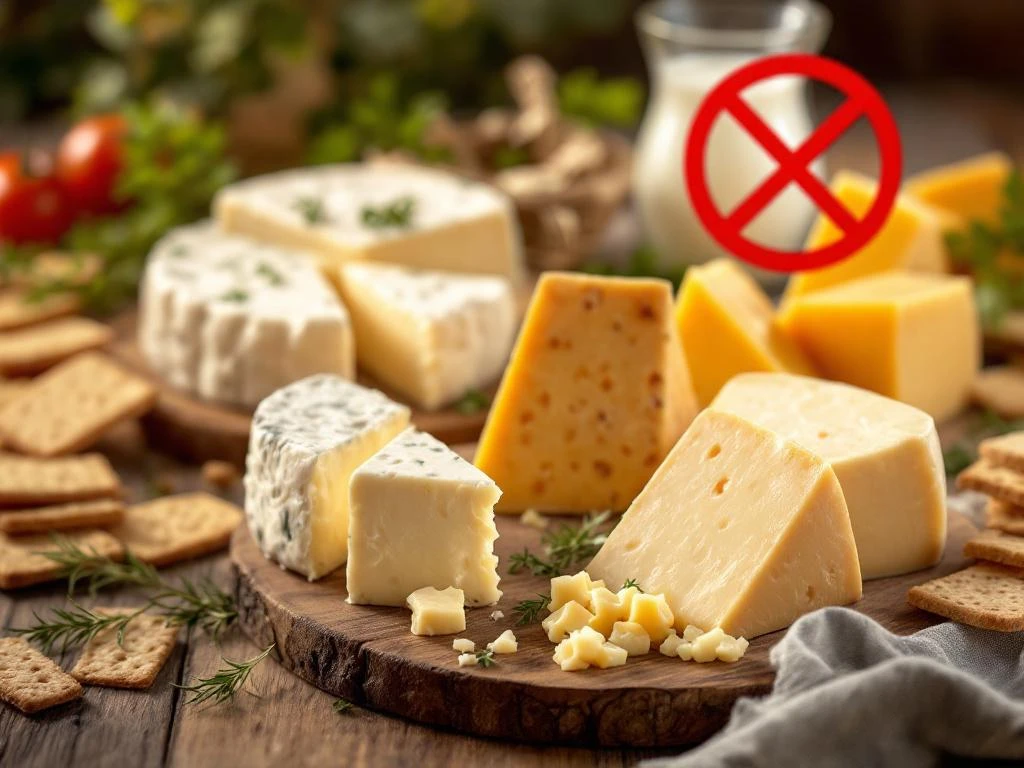
Yes, many lactose-intolerant customers can safely enjoy goat cheese, though individual tolerance varies. Goat cheese naturally contains less lactose than cow milk cheese, with aged varieties containing minimal amounts. The unique protein structure and smaller fat globules in goat’s milk make it easier to digest for many people with lactose sensitivity. However, fresh goat cheese still contains lactose, so starting with small portions of aged varieties is recommended.
What makes goat cheese different for lactose-intolerant people?
Goat cheese possesses several unique properties that make it more digestible for lactose-sensitive individuals compared to traditional cow milk cheese. The protein structure in goat milk differs significantly, containing more A2 beta-casein proteins, which are gentler on the digestive system. Additionally, the fat globules in goat milk are naturally smaller and more evenly distributed, allowing for easier breakdown during digestion.
The naturally lower lactose content in goat milk starts at approximately 4.1%, compared to cow milk at 4.7%. While this difference might seem minimal, combined with the other structural differences, it can significantly impact how well lactose-intolerant individuals tolerate the product. The smaller fat molecules don’t require as much bile for digestion, reducing the overall digestive burden.
These factors work together to create a cheese that moves through the digestive system more efficiently. The unique composition means that even individuals who experience discomfort with cow milk products might find goat cheese more agreeable. However, tolerance levels remain highly individual, and what works for one person may not work for another.
How much lactose does goat cheese actually contain?
The lactose content in goat cheese varies dramatically depending on the type and aging process. Fresh goat cheese typically contains 2-3 grams of lactose per 100 grams, while aged varieties can contain less than 0.5 grams per serving. This reduction occurs naturally as beneficial bacteria consume lactose during the aging process, converting it into lactic acid.
| Goat Cheese Type | Lactose Content (per 100g) | Aging Period |
|---|---|---|
| Fresh Goat Cheese | 2-3 grams | 0-2 weeks |
| Semi-hard Goat Cheese | 0.5-1 gram | 2-6 months |
| Aged Hard Goat Cheese | Less than 0.5 gram | 6+ months |
| Goat Brie | 1-2 grams | 4-8 weeks |
When compared to traditional dairy products, even fresh goat cheese contains less lactose than whole milk (approximately 5 grams per 100ml) or yogurt (3-4 grams per 100g). The aging process naturally reduces lactose content as enzymes break down the milk sugars over time. This makes aged goat cheeses particularly suitable for those with moderate lactose intolerance.
Understanding these variations helps in making informed choices. For instance, spreadable goat cheese products typically retain more lactose due to their fresh nature, while crumbled varieties that have undergone some aging contain less. The processing method and any added ingredients can also influence the final lactose content.
Which goat cheese varieties are best for lactose sensitivity?
For lactose-intolerant consumers, aged hard goat cheeses offer the best option, containing minimal lactose while providing rich, complex flavours. These cheeses, aged for six months or more, have virtually all their lactose converted during the maturation process. Semi-hard varieties aged between two to six months also work well, offering a balance between lower lactose content and milder flavours.
Ripened goat cheese presents another excellent choice, combining moderate lactose levels with creamy textures and sophisticated taste profiles. Products like goat brie undergo controlled ripening that reduces lactose while developing their characteristic white rind and creamy interior. These varieties typically contain 1-2 grams of lactose per serving, making them suitable for many with mild sensitivities.
For those seeking versatility in cooking and meal preparation, consider these options:
- Goat cheese crumbles – easier to portion control and often slightly aged
- Ripened goat cheese wheels – virtually lactose-free after 12+ months
- Goat cheese pearls in oil – the aging in oil can further reduce lactose
- Semi-hard goat cheese slices – convenient for sandwiches with reduced lactose
Fresh varieties like spreadable goat cheese or fresh cheese logs should be approached with more caution, as they retain higher lactose levels. However, their smooth texture and mild flavour make them worth trying in small amounts for those with mild sensitivities. Learn more about various goat cheese formats and applications suitable for different dietary needs.
What should lactose-intolerant customers know before trying goat cheese?
Before introducing goat cheese into a lactose-restricted diet, start with very small portions of aged varieties, ideally beginning with just 1-2 ounces. Monitor your body’s response over 24-48 hours before increasing the amount. Individual tolerance varies significantly, and what one person handles well might cause discomfort for another.
Timing matters when consuming goat cheese. Eating it as part of a meal, rather than on an empty stomach, can improve tolerance. The presence of other foods slows digestion and may reduce potential discomfort. Additionally, consuming goat cheese earlier in the day allows you to monitor any reactions before bedtime.
Watch for these common signs of lactose intolerance:
- Bloating or gas within 30 minutes to 2 hours after consumption
- Stomach cramps or discomfort
- Changes in bowel movements
- Nausea in more severe cases
Keep a food diary when first trying goat cheese to track which varieties and amounts work best for you. Some people find they can tolerate small amounts daily, while others do better with larger portions less frequently. Remember that lactose intolerance exists on a spectrum, and your tolerance may even vary based on overall health, stress levels, and other dietary factors.
Key considerations for enjoying goat cheese with lactose intolerance
Successfully incorporating goat cheese into a lactose-restricted diet requires careful selection and mindful consumption strategies. Choose aged varieties whenever possible, as these contain the least lactose while offering robust flavours. When shopping, look for labels indicating aging periods of at least three months for optimal digestibility.
Pairing goat cheese with certain foods can enhance digestibility and enjoyment. Combine it with:
- High-fibre crackers or bread to slow digestion
- Fresh fruits like figs or pears that complement the cheese while aiding digestion
- Nuts and seeds that provide additional protein and healthy fats
- Fermented vegetables that support gut health
Consider goat cheese as a dairy alternative when cooking, using crumbles in salads, aged varieties in pasta dishes, or spreadable options as cream cheese substitutes. The versatility of goat cheese makes it an excellent choice for maintaining dietary variety while managing lactose sensitivity. Start with cooked applications, as heat can sometimes make dairy products easier to digest.
To maximise enjoyment while minimising discomfort, maintain portion control, choose appropriate varieties based on your tolerance level, and pay attention to your body’s signals. With patience and experimentation, many lactose-intolerant individuals successfully include goat cheese as a regular part of their diet, enjoying its unique flavours and nutritional benefits without significant digestive issues.
Related Articles
- How do you assess whether a supplier has enough R&D capacity?
- What are the consequences of a failed audit at a cheese supplier?
- How do you guarantee consistent quality in goat cheese on an industrial scale?
- How does collaboration with a cheese producer work for custom curd development?
- How to position goat cheese as premium product in foodservice?