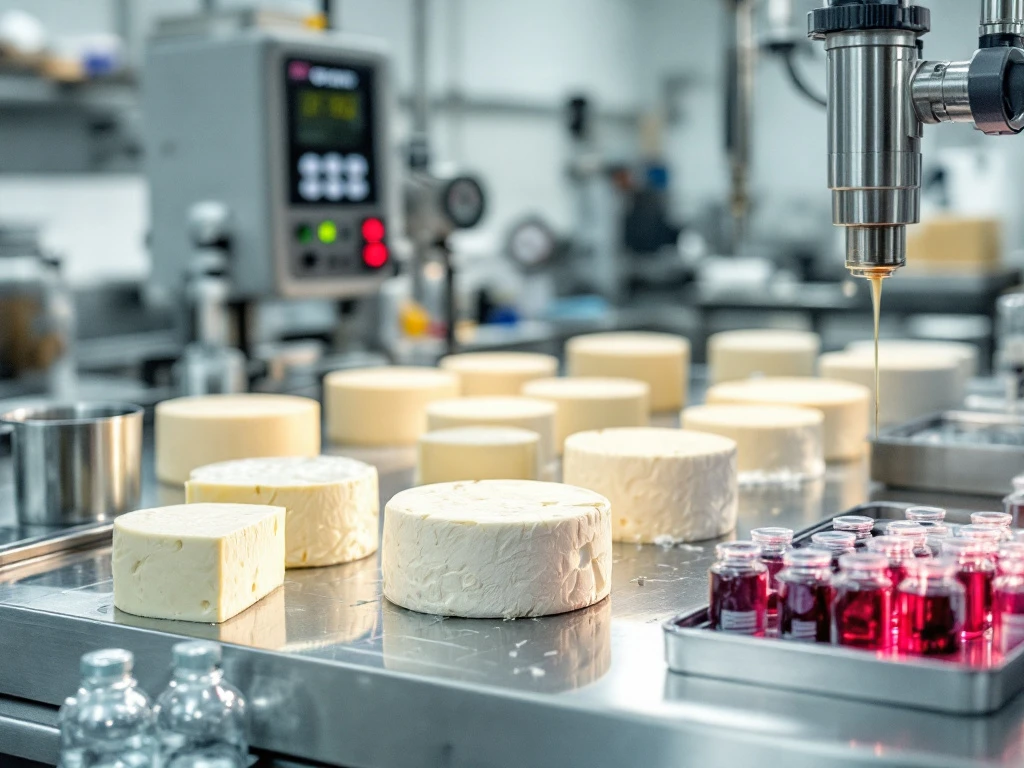
Shelf-life testing protocols for goat cheese involve systematic evaluation methods that determine safe consumption periods through microbiological analysis, sensory assessment, and chemical testing. These protocols test samples at regular intervals under various storage conditions to establish accurate best-before dates. The process ensures product safety and quality throughout distribution while meeting regulatory requirements for consumer protection.
What exactly are shelf-life testing protocols for goat cheese?
Shelf-life testing protocols for goat cheese are structured procedures that evaluate product stability and safety over time. These protocols combine microbiological testing, sensory evaluation, and chemical analysis to determine how long cheese maintains acceptable quality. The systematic approach monitors changes in texture, flavour, appearance, and microbial content from production through expected consumption dates.
Testing begins immediately after production and continues at predetermined intervals throughout the expected shelf-life period. Samples undergo evaluation for pathogen presence, spoilage organisms, pH changes, moisture content variations, and sensory characteristics. Each test point provides data about product deterioration rates under specific storage conditions.
The protocols establish critical control points where quality parameters must meet defined standards. These include microbiological limits for pathogens and spoilage organisms, acceptable ranges for sensory attributes, and chemical indicators of freshness. Documentation requirements ensure traceability and compliance with food safety regulations while providing manufacturers with reliable data for setting conservative best-before dates.
Why do goat cheese manufacturers need specific testing protocols?
Goat cheese requires specialised testing protocols because its unique composition creates different stability challenges compared to cow’s milk cheeses. The higher moisture content in fresh goat cheese varieties accelerates microbial growth, while distinct pH levels affect preservation characteristics. These factors demand tailored testing approaches that account for goat cheese’s specific deterioration patterns and safety risks.
Regulatory compliance drives protocol development as authorities require scientific validation of shelf-life claims. Manufacturers must demonstrate that products remain safe and maintain quality throughout stated shelf-life periods. This involves proving that pathogen levels stay within legal limits and that sensory qualities meet consumer expectations until the best-before date.
Market demands also necessitate precise testing protocols. Different distribution channels require varying shelf-life durations, from short periods for artisanal fresh cheeses to extended times for export markets. Testing protocols help manufacturers optimise formulations and packaging to meet these diverse requirements while maintaining the traditional qualities that distinguish goat cheese products.
How do you conduct microbiological testing for goat cheese shelf-life?
Microbiological testing for goat cheese shelf-life follows standardised sampling procedures that ensure representative results. Testing begins with aseptic sample collection from different production batches, followed by analysis at predetermined intervals. Key tests include total plate counts, coliform detection, Listeria monocytogenes screening, and yeast and mould enumeration to track microbial changes over time.
Sample preparation involves homogenising cheese portions in sterile diluents before plating on selective media. Incubation conditions vary depending on target organisms, with mesophilic bacteria cultured at 30°C and psychrotrophic organisms at refrigeration temperatures. Results interpretation considers both absolute counts and growth rates to predict when products might exceed safety thresholds.
Testing frequency intensifies near expected shelf-life endpoints to capture acceleration in microbial growth. Fresh goat cheeses require testing every few days during refrigerated storage, while aged varieties need less frequent monitoring. Laboratory results combine with predictive modelling to establish conservative best-before dates that ensure consumer safety with appropriate margins.
What sensory evaluation methods determine goat cheese quality over time?
Sensory evaluation for goat cheese shelf-life employs trained panels who assess appearance, texture, flavour, and aroma changes throughout storage. Panellists use standardised scoring systems to rate attributes like surface appearance, colour uniformity, texture firmness, flavour intensity, and off-flavour development. These assessments occur alongside microbiological testing to correlate sensory changes with product safety.
Evaluation protocols include descriptive analysis where panellists quantify specific attributes using defined scales. Fresh goat cheese evaluation focuses on maintaining clean, milky flavours without excessive sourness or bitter notes. Texture assessment monitors changes from smooth, creamy consistency to grainy or watery deterioration. Visual inspection tracks surface mould development, discolouration, or syneresis.
Panel training ensures consistent evaluation across testing periods. Reference samples establish baseline quality standards, while defect identification training helps panellists recognise early spoilage indicators. Results determine quality thresholds where products no longer meet acceptable standards, even if microbiologically safe. This dual approach ensures shelf-life recommendations protect both safety and eating quality.
Which storage conditions should be tested for accurate shelf-life data?
Storage condition testing for goat cheese must replicate real distribution environments including temperature fluctuations, humidity variations, and packaging integrity challenges. Primary testing occurs at recommended storage temperatures (typically 2-4°C for fresh varieties), while abuse testing simulates temperature excursions during transport or retail display. Each condition requires separate evaluation to establish realistic shelf-life predictions.
Humidity control proves critical for goat cheese stability, particularly for surface-ripened varieties. Testing protocols evaluate products at different relative humidity levels to determine optimal packaging requirements. Light exposure assessment determines whether transparent packaging affects quality, while modified atmosphere packaging tests evaluate gas composition impacts on shelf-life extension.
Accelerated shelf-life testing uses elevated temperatures to predict long-term stability more quickly. Mathematical models correlate accelerated test results with real-time storage data, enabling faster product development cycles. However, validation through real-time studies remains essential as acceleration may not accurately predict all quality changes, particularly for complex sensory attributes.
How do you implement shelf-life testing results in production?
Implementation of shelf-life testing results begins with establishing conservative best-before dates based on the shortest duration where all quality parameters remain acceptable. Production protocols incorporate critical control points identified during testing, with monitoring procedures ensuring consistent product quality. Staff training programmes teach recognition of quality indicators and proper documentation practices.
Quality control checkpoints throughout production verify that each batch meets established standards. This includes raw milk quality assessment, process parameter monitoring, and finished product testing before release. Deviation management procedures define actions when products approach quality limits, preventing distribution of sub-standard items.
Continuous improvement strategies use ongoing shelf-life data to optimise formulations and processes. Regular review of customer feedback and returned product analysis validates laboratory predictions against market performance. This feedback loop enables refinement of testing protocols and adjustment of shelf-life recommendations based on real-world conditions, ensuring products consistently meet quality expectations throughout their stated shelf-life.
Understanding and implementing comprehensive shelf-life testing protocols ensures goat cheese products maintain safety and quality from production through consumption. These systematic approaches protect consumers while enabling manufacturers to optimise product formulations and distribution strategies. As market demands evolve and distribution channels expand, robust testing protocols become increasingly vital for maintaining product integrity and consumer trust. For specialised goat cheese producers like us, these protocols form the foundation of our commitment to delivering consistently high-quality products that meet the diverse needs of retail, foodservice, and industrial customers worldwide.