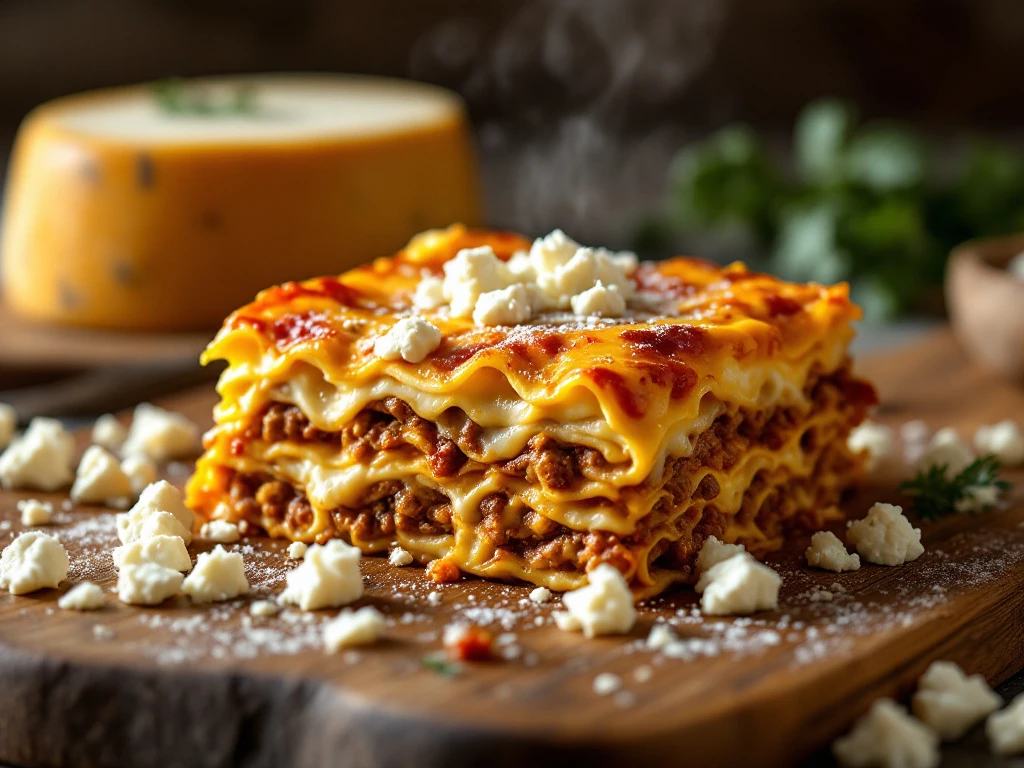
Yes, you can use goat cheese in lasagna to make a tasty, creamy dish instead of using ricotta cheese. Goat cheese has a special tangy taste and smooth texture that melts well between pasta layers. This gives your lasagna a new and interesting flavor. To make good goat cheese lasagna, you need to choose the right type of goat cheese, mix it well with other ingredients, and cook it the right way so it stays creamy.
Can goat cheese replace ricotta in lasagna?
Goat cheese is a great substitute for ricotta in lasagna, but you need to make some changes. Fresh goat cheese is creamier and has a stronger, tangy taste than ricotta. This can make your lasagna taste even better. When you replace ricotta with goat cheese, use the same amount. You can mix the goat cheese with a little cream or milk to make it more like ricotta.
Goat cheese and ricotta are different in ways that change how they work in lasagna. Goat cheese has more fat and a stronger taste. This means it melts differently and makes a richer sauce between the layers. To get the best texture, mix the goat cheese until it’s smooth before you layer it. You can also mix it with beaten eggs or cream cheese to help it stay stable while baking.
For best results, let the goat cheese warm up to room temperature before mixing. This makes it easier to blend and stops lumps from forming. You can add herbs like basil or thyme to complement the tangy taste while keeping the Italian style of the dish. This works very well in vegetable lasagnas where the goat cheese taste makes roasted vegetables and fresh greens taste even better.
What types of goat cheese work best in lasagna?
Fresh goat cheese varieties work best in lasagna because they have a smooth texture and melt well. Soft, spreadable goat cheese makes the creamiest layers. Crumbled varieties add interesting texture and strong flavor spots. Semi-aged goat cheeses can also work well when mixed with fresh varieties, adding more flavor without being too strong.
Our fresh goat cheese spread has the perfect consistency for lasagna. Their smooth texture means you don’t need to blend them much. These varieties melt evenly in the dish, creating creamy, luxurious layers. If you want more texture, you can scatter goat cheese crumbles between layers. This gives bursts of tangy flavor that work well with both tomato and white sauces.
Choose between natural and flavored varieties depending on what you want your recipe to taste like. Natural goat cheese gives a clean, tangy base that goes well with strong tomato sauces and Mediterranean vegetables. Herb-flavored varieties add complexity without needing extra seasoning. Aged goat cheeses should be used in small amounts as accent flavors rather than main filling, because their stronger taste and firmer texture can take over the dish.
How do you prevent goat cheese from becoming grainy when baking?
To prevent graininess in baked goat cheese, you need to control temperature carefully and use proper mixing methods. Mix room-temperature goat cheese with binding ingredients like eggs or a small amount of cream before layering. This creates a stable mixture that stays smooth during the long baking time. Don’t let it get too hot by covering the lasagna with foil for most of the cooking time.
The secret to keeping creamy texture is making the right cheese mixture before you put the lasagna together. Blend fresh goat cheese with ingredients that help keep the proteins stable during heating. Use one beaten egg for every 450g of goat cheese to help bind the mixture and add richness. Adding a few tablespoons of cream or whole milk gives extra protection against separation.
How you layer also affects the final texture. Make sure the goat cheese mixture is spread evenly rather than in thick layers, which can cause uneven heating and graininess. Put cheese layers between moisture-rich elements like sauce or cooked vegetables to help create the right environment for smooth melting. Bake at a moderate temperature of 180°C (350°F) rather than higher heat, which can make proteins tighten and create unwanted texture.
Which vegetables pair perfectly with goat cheese in lasagna?
Roasted Mediterranean vegetables work perfectly with goat cheese in lasagna. Aubergine, courgettes, and red peppers develop sweet, caramelized flavors when roasted that balance the tangy taste of goat cheese beautifully. Spinach and chard provide earthy flavors that complement the cheese well, while sun-dried tomatoes add concentrated deep flavor.
How you prepare vegetables makes a big difference in how they work with goat cheese layers. Roasting vegetables before assembly removes extra water that could make the lasagna watery while making their flavors stronger. Caramelized onions add sweetness that softens the goat cheese’s tang, creating better flavor balance. Roasted garlic becomes sweet and nutty, making the cheese taste better without being too strong.
Leafy greens need special attention when pairing with goat cheese. Cook spinach, kale, or chard until wilted and squeeze out extra water before layering. These greens provide mineral flavors that make goat cheese’s complexity better. Adding fresh herbs like basil, oregano, or thyme between layers brightens the overall flavor while keeping the dish’s Mediterranean character. Artichoke hearts and roasted cherry tomatoes offer additional texture and complementary flavors.
What’s the ideal goat cheese to sauce ratio for creamy lasagna?
The ideal ratio for creamy goat cheese lasagna is about 1:2 cheese to sauce. This means for every cup of goat cheese mixture, use two cups of sauce. This proportion ensures proper moisture distribution while letting the goat cheese flavor shine without becoming too strong. Adjust slightly based on whether you’re using tomato or white sauce, as each works differently with goat cheese.
Tomato-based sauces need careful balancing with goat cheese to prevent too much acidity. The natural tanginess of goat cheese combined with tomato sauce can become too sharp if proportions aren’t right. Adding a touch of cream to tomato sauce helps blend the flavors while keeping the right consistency. For white sauce or béchamel-based lasagnas, the mild base allows more flexibility with goat cheese amounts, though keeping the 1:2 ratio prevents the dish from becoming too rich.
Sauce consistency affects how well it mixes with goat cheese during baking. Thinner sauces go through pasta layers more easily but may make goat cheese become diluted. Slightly thicker sauces keep distinct layers while providing enough moisture for proper cooking. Consider the pasta type as well – fresh pasta needs less sauce than dried varieties. Testing a small portion before full assembly helps perfect the balance for your specific combination of ingredients.
Making excellent goat cheese lasagna means understanding how this unique cheese behaves during cooking and pairing it well with ingredients that work together. Whether you’re substituting it for ricotta or making it the star ingredient, goat cheese brings sophisticated flavor and creamy luxury to this classic dish. By choosing the right varieties, using proper techniques to keep texture, and balancing flavors with appropriate vegetables and sauces, you can create memorable lasagna variations that show goat cheese’s distinctive character.
For those wanting to explore the versatility of goat cheese in cooking, lasagna represents just one delicious possibility. We offer various goat cheese products perfectly suited for cooking experiments, from smooth spreads ideal for layering to flavorful crumbles that add textural interest. Our traditional cheese-making expertise ensures consistent quality that works beautifully in both home kitchens and professional settings.