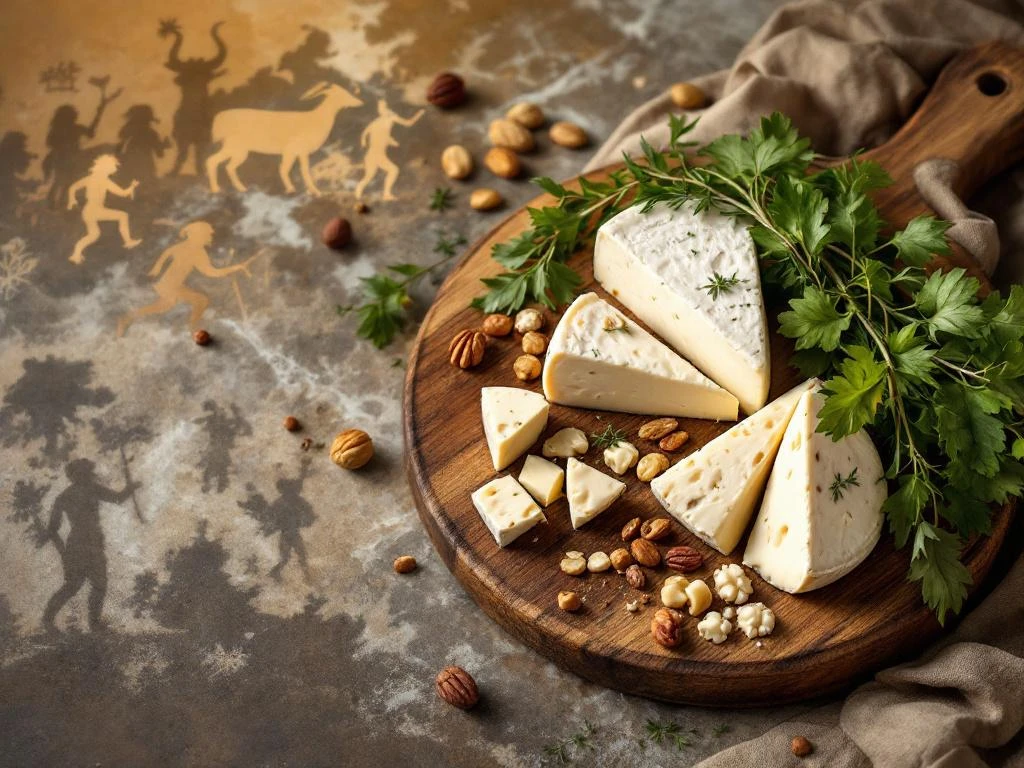
The paleo diet’s stance on goat cheese creates considerable debate within the community. While strict paleo guidelines exclude all dairy products, including goat cheese, many modified paleo approaches and the primal blueprint allow goat cheese due to its unique nutritional profile and superior digestibility compared to cow’s milk products. The decision ultimately depends on individual tolerance, health goals, and which interpretation of ancestral eating patterns one follows.
Is goat cheese suitable for paleo diets?
The answer to whether goat cheese fits into a paleo diet isn’t straightforward, as it depends on which approach you follow. Traditional paleo diet principles exclude all dairy products, arguing that our paleolithic ancestors didn’t consume dairy after weaning. However, the paleo community has evolved to include various interpretations, with many practitioners now embracing a more flexible approach that considers the nutritional quality and digestibility of specific foods rather than adhering to rigid categories.
Modified paleo approaches, including the popular primal blueprint, often permit high-quality goat cheese, particularly for individuals who tolerate it well. This acceptance stems from goat cheese’s unique properties that distinguish it from conventional dairy. The proteins in goat milk are structurally different from cow’s milk, containing predominantly A2 casein rather than the potentially inflammatory A1 casein found in most cow dairy products.
The debate within the paleo community often centres on whether the potential benefits of goat cheese outweigh the fact that it’s still a dairy product. Factors influencing individual choices include digestive tolerance, autoimmune conditions, weight loss goals, and overall health objectives. Many paleo practitioners find that small amounts of traditionally-made goat cheese enhance their diet without causing the inflammatory responses often associated with cow dairy.
What makes goat cheese different from regular dairy products?
Goat cheese possesses several unique characteristics that set it apart from cow’s milk dairy products. The protein structure in goat milk features smaller fat globules and protein molecules, making it naturally easier to digest. This structural difference means that goat cheese forms softer, smaller curds in the stomach, reducing digestive stress and improving nutrient absorption.
The casein composition represents another crucial distinction. Goat milk contains predominantly A2 beta-casein, while most cow’s milk contains A1 beta-casein. Research suggests that A1 casein may trigger inflammatory responses in sensitive individuals, whereas A2 casein is generally better tolerated. Additionally, goat cheese contains lower levels of lactose compared to cow’s milk products, making it more suitable for those with mild lactose sensitivities.
Nutritionally, goat cheese provides unique benefits including:
- Higher levels of medium-chain fatty acids that are metabolised more efficiently
- Greater bioavailability of minerals like calcium, iron, and magnesium
- More digestible protein structures due to different amino acid profiles
- Natural prebiotics that support gut health
- Lower allergenic potential compared to cow dairy
Why do some paleo dieters include goat cheese in their meal plans?
Paleo dieters who include goat cheese often cite its closer resemblance to what might have been consumed by pastoral ancestors who domesticated goats thousands of years ago. Unlike modern industrial dairy production, traditional goat farming and cheese-making methods align more closely with ancestral food preparation practices, making it philosophically compatible with paleo principles for some practitioners.
The digestibility factor plays a significant role in this decision. Many individuals who experience bloating, inflammation, or digestive discomfort with cow dairy find they can tolerate goat cheese without issues. This improved tolerance stems from the smaller fat molecules and different protein structures that require less digestive effort and produce fewer inflammatory compounds during metabolism.
Practical considerations also influence this choice. Goat cheese provides valuable nutrients that can be challenging to obtain on a strict paleo diet, including:
- Bioavailable calcium for bone health
- Vitamin B12 for energy metabolism
- Conjugated linoleic acid (CLA) for body composition
- Probiotics in aged varieties for gut health
- High-quality protein for muscle maintenance
How can you incorporate goat cheese into a paleo-friendly diet?
When incorporating goat cheese into a paleo-inspired eating plan, moderation and quality selection remain paramount. Start with small portions of 1-2 ounces to assess your individual tolerance. Fresh goat cheese varieties work excellently in salads, providing creamy texture and tangy flavour that complements vegetables and proteins. Consider crumbled varieties over mixed greens with olive oil and herbs for a satisfying meal component.
Timing and pairing strategies can optimise the benefits while minimising potential issues. Consume goat cheese with fibrous vegetables to slow absorption and support digestive health. Avoid combining it with other potentially inflammatory foods, and consider having it earlier in the day when digestive function is typically stronger. Fresh goat cheese pairs beautifully with:
- Roasted vegetables like beetroot and butternut squash
- Fresh herbs such as basil, thyme, and oregano
- Nuts and seeds for added texture and nutrition
- Grilled proteins including chicken, fish, and lamb
- Fermented vegetables for enhanced probiotic benefits
Choose between fresh and aged varieties based on your goals and tolerance. Fresh goat cheese contains more moisture and fewer concentrated proteins, making it gentler for those new to including dairy. Aged varieties offer more complex flavours and beneficial bacteria but contain less lactose due to the fermentation process.
Key takeaways: Goat cheese and paleo diet compatibility
The compatibility of goat cheese with paleo diets ultimately depends on individual interpretation and personal health responses. While purist paleo approaches exclude all dairy, many modern practitioners successfully include high-quality goat cheese without compromising their health goals. The key lies in choosing traditionally-made products from reputable sources that prioritise animal welfare and traditional production methods.
Quality considerations should guide your selection process. Look for goat cheese made from milk sourced from pasture-raised animals without added hormones or unnecessary additives. Traditional producers who follow time-honoured cheese-making methods typically create products with superior nutritional profiles and better digestibility. Companies like DeJong Cheese, with their commitment to traditional recipes and high-quality standards including IFS certification, exemplify the type of producers whose products align well with quality-focused dietary approaches.
Remember that successful incorporation of goat cheese into a paleo-friendly diet requires attention to your body’s responses, portion control, and selection of the highest quality products available. Whether you choose fresh varieties for their mild flavour and versatility or aged options for their complex taste and probiotic benefits, goat cheese can provide valuable nutrition within a thoughtfully planned ancestral eating pattern.
Related Articles
- What are the best goat cheese options for ready-to-eat meals on an industrial scale?
- What questions do you ask a curd producer during a first introduction?
- How does goat cheese support innovation in chilled meals?
- How do manufacturers integrate goat cheese at scale?
- Goat cheese vs parmesan in pasta dishes?