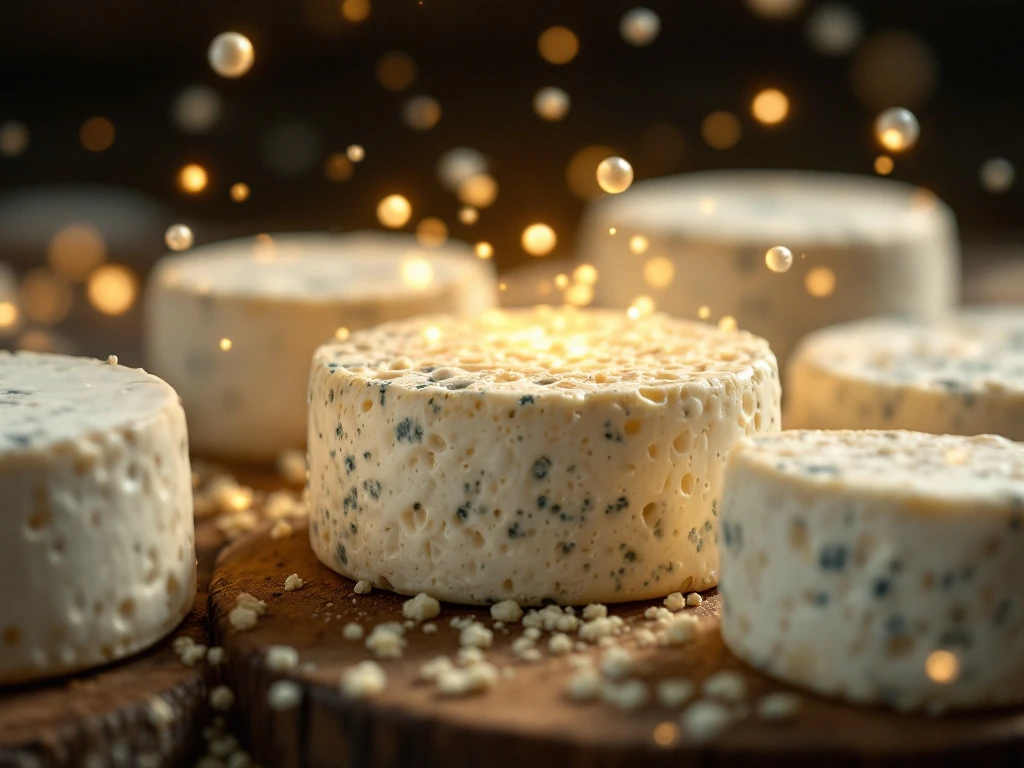
Starter cultures in goat cheese are special bacteria that change lactose into lactic acid. This starts the process of turning milk into cheese. These tiny living things help create the right texture, taste, and safety by making the milk acidic and creating special compounds. When cheese makers understand how they work, they can make better and more consistent goat cheese.
What exactly are starter cultures and why do they matter in goat cheese?
Starter cultures are carefully chosen lactic acid bacteria that start the cheese-making process. They eat the lactose in goat milk and turn it into acid. These good bacteria, mainly Lactococcus and Lactobacillus types, make lactic acid that changes the milk’s pH. This creates the right conditions for making curds. Without these cultures, goat milk would stay liquid and bad bacteria could grow.
Starter cultures do more than just make acid. They make enzymes that break down proteins and fats. This creates the tangy taste that goat cheese is known for. These bacteria also create a safe environment that stops harmful microorganisms from growing. This keeps the cheese safe during production and storage.
In our traditional cheese-making process, we choose specific culture types that work well with goat milk. Goat milk has more medium-chain fatty acids than cow milk. This means we need cultures that work well at certain temperatures and pH levels. This careful choice helps us make cheese with consistent texture and the mild, creamy taste our customers love.
How do starter cultures actually transform goat milk into cheese?
The change begins when starter cultures eat lactose and make lactic acid. This drops the milk’s pH from about 6.7 to 4.6. This acid change makes casein proteins unfold and stick together, forming the first curd structure. This process usually takes 18-24 hours for fresh goat cheese. We carefully control the temperature between 20-22°C.
During fermentation, cultures make different substances including diacetyl, acetaldehyde, and other flavor compounds. These create the complex taste that makes artisan goat cheese different from mass-produced types. The bacteria also release enzymes that partly break down proteins. This helps create the smooth, spreadable texture of fresh goat cheese.
As the acid increases, whey separates from the curd. The starter cultures keep working even after the curd forms. They slowly develop flavor and texture during draining and aging. This ongoing work decides whether the final product becomes a soft, fresh cheese or develops into a firmer, aged type.
What types of starter cultures work best for different goat cheese varieties?
Mesophilic cultures work well at temperatures between 20-35°C. They are best for fresh goat cheese and soft-ripened types like our goat brie. Common types include Lactococcus lactis subspecies lactis and cremoris. These make mild acidity and gentle flavors. These cultures create the creamy texture needed for spreadable goat cheese and fresh cheese rolls.
Thermophilic cultures work at 35-45°C and are good for aged goat cheeses that need firmer textures. Streptococcus thermophilus and Lactobacillus helveticus make stronger acidification and more complex flavor profiles. Some specialty goat cheeses use both culture types, creating unique characteristics that single-strain cultures cannot make.
Traditional artisan producers often keep house cultures – mixed bacterial communities that have adapted to local conditions over many generations. These complex systems produce distinctive regional flavors. However, commercial freeze-dried cultures offer consistency and reliability. This is particularly important for meeting modern food safety standards while keeping traditional taste profiles.
Why does the choice of starter culture affect goat cheese flavor and texture?
Different bacterial types produce different amounts and types of flavor compounds during fermentation. Some cultures make more diacetyl, creating buttery notes. Others produce acetaldehyde for fresh, yogurt-like flavors. The balance of these compounds decides whether goat cheese tastes mild and creamy or develops strong tanginess.
Texture development depends on how cultures break down proteins and keep moisture. Fast-acidifying cultures create firmer curds with less moisture, which is good for aged cheeses. Slower cultures allow more time for enzyme activity, producing softer textures perfect for spreadable varieties. The protein-breaking activity of specific types also influences whether cheese becomes crumbly or stays smooth.
Culture selection is particularly important for goat cheese because of the milk’s unique protein structure. Goat milk forms softer curds than cow milk. This requires cultures that provide enough acidification without making the texture too firm. Our expertise in matching cultures to desired outcomes ensures each cheese variety achieves its intended characteristics, from creamy fresh rolls to firm, sliceable aged cheeses.
What happens if starter cultures aren’t properly managed in goat cheese production?
Poor culture management leads to slow or incomplete acidification. This allows harmful bacteria to multiply before the protective acid barrier forms. This results in bad flavors ranging from bitter to rotten, texture problems like too much softness or graininess, and potential food safety risks. Temperature changes during fermentation can stress cultures, producing inconsistent results.
Contamination from wild yeasts or bacteria overwhelms starter cultures, creating unwanted flavors and gas production. Poor culture activity also prevents proper whey removal, leading to excess moisture that shortens shelf life and promotes unwanted microbial growth. These problems become particularly serious in goat cheese due to its naturally higher moisture content.
Preventing culture-related problems requires strict temperature control, proper cleaning, and regular activity testing. We monitor pH changes throughout fermentation, ensuring cultures work optimally. Using appropriate amounts of cultures and maintaining consistent environmental conditions prevents the quality variations that trouble less experienced producers. This attention to culture management distinguishes professional cheese making from amateur attempts.
Understanding starter cultures changes cheese making from chance to science. These tiny partners determine every aspect of goat cheese character, from initial milk transformation through final flavor development. Whether producing fresh spreads or aged specialties, success depends on selecting appropriate cultures and managing them expertly throughout the process. For those seeking to understand goat cheese quality, examining starter culture practices reveals why some cheeses are excellent while others disappoint. Our commitment to traditional methods combined with modern culture management ensures every batch meets the high standards expected from artisan goat cheese.