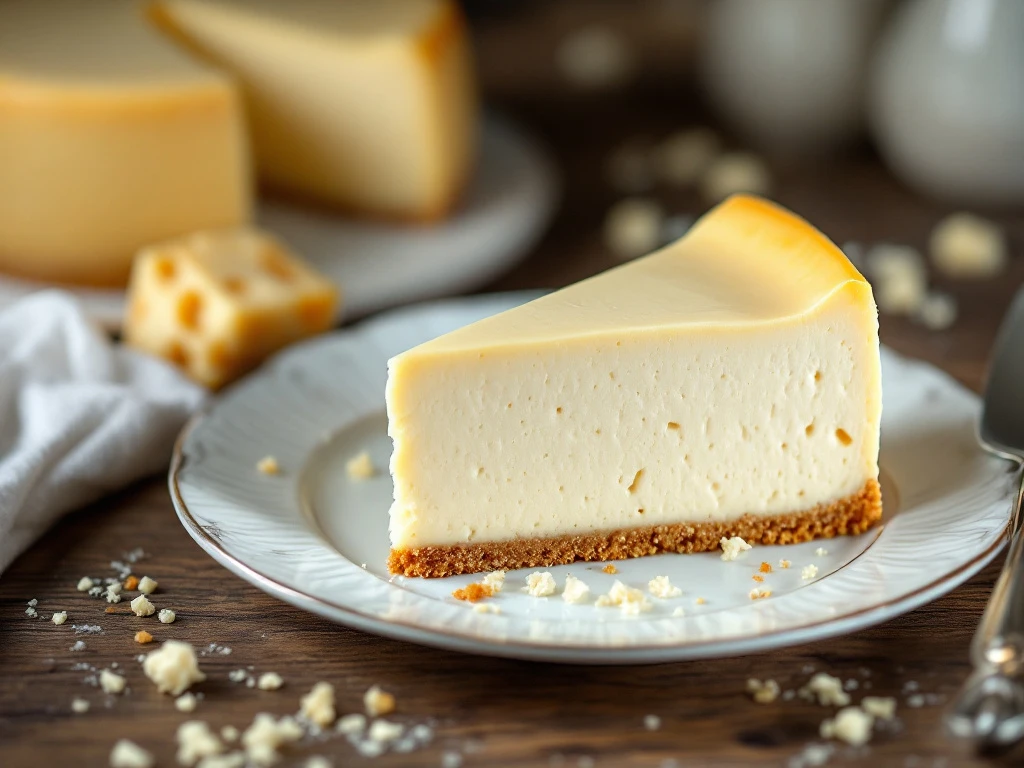
Yes, goat cheese is great for making cheesecake. It creates desserts with special flavors and lighter textures than normal cheesecakes. Its natural tangy taste and creamy texture make regular cheesecake into an elegant dessert that many professional chefs like to use in fancy restaurants. Goat cheese has unique qualities, including its special taste and smooth melting, which give you many creative options for both sweet and savory cheesecake types.
Can goat cheese be used in cheesecake?
Goat cheese makes amazing cheesecakes with tangy flavors and smooth textures that make this classic dessert even better. The natural sourness and creamy texture of fresh goat cheese make lighter, more refined cheesecakes compared to traditional cream cheese ones. Professional pastry chefs more and more choose goat cheese because of its sophisticated taste and flexible pairing options.
The special qualities of goat cheese change standard cheesecake recipes into gourmet desserts. Fresh goat cheese melts smoothly when prepared correctly, creating a light, mousse-like texture that feels less heavy than normal cheesecakes. This lighter texture makes goat cheese cheesecake a perfect choice for multi-course meals where a heavy dessert might be too much for diners.
Our experience with fresh goat cheese products shows that types with 16% fat content keep delicious taste while creating lighter desserts. The pure, fresh flavor of quality goat cheese adds complexity without being too strong for sweet elements, making it perfect for both traditional and new cheesecake recipes.
What’s the difference between goat cheese cheesecake and regular cheesecake?
Goat cheese cheesecake has a lighter, more delicate texture with special tangy notes, while regular cheesecake gives dense richness and mild sweetness. The texture difference is easy to notice, with goat cheese creating an almost mousse-like consistency compared to the firm, heavy structure of cream cheese versions. These differences affect both taste experience and how easy it is to digest.
Flavor profiles are very different between the two styles. Goat cheese brings subtle earthiness and pleasant tang that balances sweetness naturally, reducing the need for too much sugar. Traditional cream cheese cheesecake relies on its mild, neutral base to show added flavors like vanilla or fruit toppings. The goat cheese version stands confidently on its own, offering complexity that sophisticated people appreciate.
Nutritionally, goat cheese cheesecake often has less lactose and features smaller fat particles that many people find easier to digest. The protein structure in goat cheese is different from cow’s milk products, possibly making it suitable for those with mild dairy problems. These digestive benefits, combined with the lighter texture, make goat cheese cheesecake an appealing alternative for health-conscious dessert lovers.
How do you substitute goat cheese in a cheesecake recipe?
Replace cream cheese with goat cheese using equal amounts, but reduce sugar by about 25% to balance the natural tanginess. Room temperature ingredients are essential for smooth mixing, as cold goat cheese can create lumps that won’t mix properly. Mix goat cheese well before adding other ingredients to make sure it spreads evenly throughout the batter.
Temperature control is very important when working with goat cheese in baking. Allow all ingredients to reach room temperature for at least two hours before mixing. Beat the goat cheese alone first until completely smooth, then slowly add sugar and other dry ingredients. This method prevents the formation of small lumps that can affect the final texture of your cheesecake.
For those new to goat cheese baking, combining equal parts goat cheese and cream cheese creates a balanced flavor. This approach keeps some familiar cheesecake characteristics while introducing the sophisticated notes of goat cheese. Adjust liquid ingredients slightly, as goat cheese typically has more moisture than cream cheese, possibly requiring an extra egg or tablespoon of flour for proper setting.
Which goat cheese works best for cheesecake?
Fresh, creamy goat cheese varieties with smooth textures work best for cheesecake, particularly soft spreadable types that blend easily without lumps. Natural fresh goat cheese rolls or spreadable varieties offer perfect consistency for baking, keeping their delicious taste while creating silky-smooth desserts. Avoid aged or crumbly goat cheeses that won’t mix properly into cheesecake batter.
Moisture content plays an important role in selecting the right goat cheese. Fresh varieties with higher moisture create creamier cheesecakes, while drier options may need additional liquid adjustments. Our fresh goat cheese products keep optimal moisture levels for baking applications, ensuring consistent results whether used alone or combined with other cheese types.
Soft-ripened goat cheeses like goat brie can add interesting flavor dimensions when used in small amounts. These varieties work best as accent ingredients rather than main components, contributing subtle complexity to the overall taste profile. For traditional cheesecake textures, stick with fresh, unripened goat cheese that melts smoothly and mixes seamlessly into batters.
What flavours pair well with goat cheese cheesecake?
Honey, figs, and berries create classic pairings with goat cheese cheesecake, enhancing its natural tang with complementary sweetness. Citrus elements like lemon or orange zest brighten the flavor profile, while herbs such as lavender or thyme add sophisticated aromatic notes. These combinations highlight goat cheese’s versatility in both sweet and savory dessert applications.
Nut-based crusts using almonds or walnuts provide texture contrast while complementing goat cheese’s earthy undertones. Honey-sweetened graham crusts work particularly well, as honey naturally enhances goat cheese flavors. For adventurous tastes, adding herbs or spices into the crust creates additional flavor layers that sophisticated diners appreciate.
Toppings and accompaniments should balance rather than hide the cheese’s distinctive character. Fresh berry compotes, honeycomb pieces, or caramelized figs make excellent choices. Savory elements like candied herbs or black pepper can create interesting contrasts. Our honey-flavored goat cheese varieties offer built-in sweetness that pairs beautifully with fruit toppings, simplifying flavor development for home bakers.
Creating exceptional goat cheese cheesecake opens new possibilities for dessert innovation. The unique properties of fresh goat cheese transform this classic dessert into something special, offering lighter textures and sophisticated flavors that appeal to modern tastes. Whether you’re a professional chef or home baker, experimenting with goat cheese in your cheesecake recipes promises delicious results. At DeJong Cheese, we’re passionate about helping you discover the versatility of our Alphenaer goat cheese products in both sweet and savory applications.
Related Articles
- How do you ensure traceability from milk to final product when buying goat cheese?
- Which internal stakeholders do you involve in selecting a cheese supplier?
- Which goat cheese varieties from the pizza range are suitable as industrial toppings?
- How to educate staff about goat cheese quality differences?
- How does goat cheese affect blood pressure?