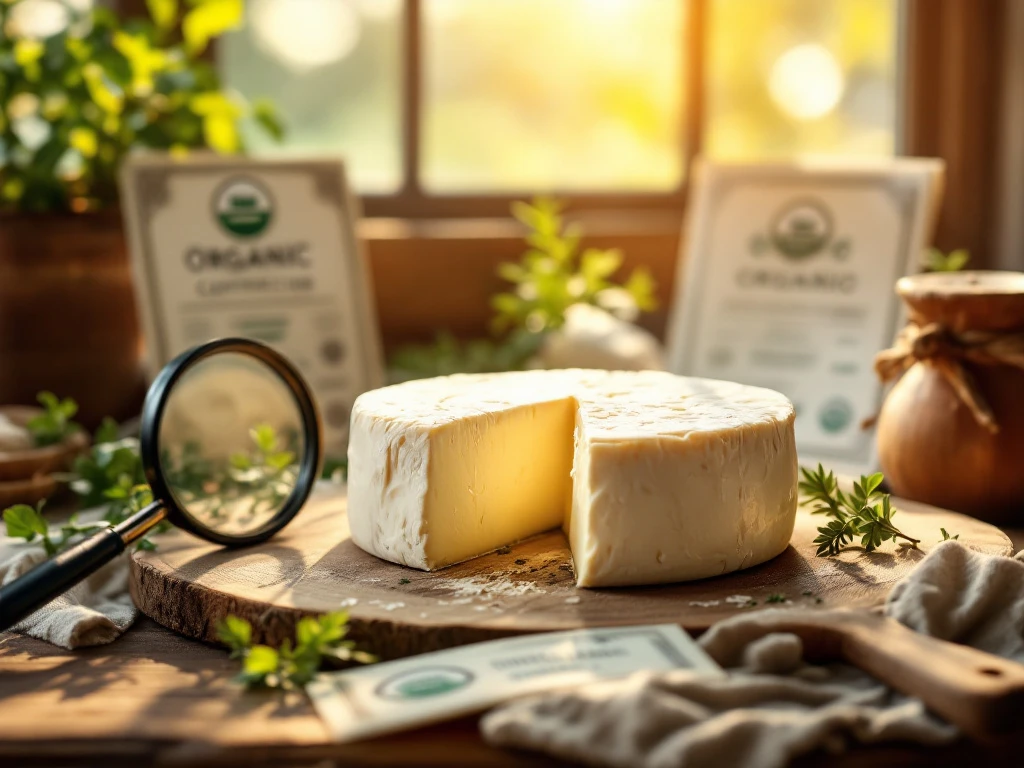
Verifying goat cheese organic certification requires checking official databases, examining certification labels, and understanding organic standards. B2B buyers should verify certifications through national databases like USDA Organic Integrity Database or EU organic farming systems, check for valid certificate numbers, and confirm certification scope with suppliers. Proper verification protects against fraudulent claims and ensures product authenticity for your business operations.
What does organic certification mean for goat cheese products?
Organic certification for goat cheese means the product meets strict standards covering feed, animal welfare, and processing. Goats must consume organic feed without synthetic pesticides or GMOs, have access to pasture, and receive no antibiotics or growth hormones. Processing facilities must prevent contamination with non-organic products and avoid artificial additives or preservatives.
International organic standards vary slightly but share core principles. The EU organic regulation requires at least 95% organic ingredients and prohibits ionising radiation. USDA organic standards mandate similar requirements with additional restrictions on certain processing aids. Both systems require annual third-party inspections of farms and facilities.
Certification bodies like Control Union, SKAL, or Ecocert conduct these inspections and issue certificates. Each certifier operates under government oversight to ensure compliance with national organic regulations. Organic certification covers the entire supply chain from farm to final packaging, creating transparency for B2B buyers seeking authentic organic products.
Which official databases can verify organic goat cheese certification?
The USDA Organic Integrity Database provides free access to verify any US-certified organic operation. Simply enter the company name or certificate number to view certification status, scope, and certifier details. The EU’s organic farming database offers similar functionality for European producers, though access methods vary by country.
To search these databases effectively, gather the producer’s exact business name and certification number from product documentation. In the USDA database, use the advanced search function to filter by operation type “Handler/Processor” and product scope “Dairy.” For EU verification, start with the national authority website of the producer’s country, as each member state maintains its own database.
Additional verification resources include:
- Canada Organic Regime database for Canadian producers
- Bio Suisse database for Swiss organic certification
- Australian Organic Register for products from Australia
- Individual certifier websites often provide certificate verification tools
Always cross-reference multiple sources when verifying international suppliers, as some operations hold multiple certifications for different markets.
What should you look for on organic goat cheese labels?
Authentic organic labels must display the official organic logo of the certifying country, the name of the certification body, and a valid certificate number. In the EU, look for the green leaf logo with stars and the code format “XX-BIO-###” where XX represents the country code. USDA organic products show the circular USDA Organic seal and must list the certifier’s name.
Certificate numbers follow specific formats that indicate the certifier and year of issue. For example, a SKAL certificate might read “NL-BIO-01” followed by the operation number. Valid certificates typically show expiration dates or annual review dates, usually valid for one year from the inspection date.
Different certification marks guarantee varying standards:
- EU Organic: Minimum 95% organic ingredients, strict processing rules
- USDA Organic: Four categories from “100% Organic” to “Made with Organic”
- Demeter: Biodynamic certification with additional requirements beyond organic
- Private standards like Bio Suisse may exceed government requirements
Labels should also include the country of origin for agricultural ingredients, helping verify supply chain claims.
How do you spot fake organic goat cheese certifications?
Fraudulent organic claims often lack essential certificate details or use outdated documentation. Red flags include missing certificate numbers, generic “organic” claims without certification logos, photocopied certificates without original stamps, or certificates from unrecognised bodies. Legitimate certificates always include specific operation details, valid dates, and authorised signatures.
Common fraud tactics involve using expired certificates, claiming organic status based on ingredient suppliers without facility certification, or displaying logos without authorisation. Some operations may present certificates for different products or locations than those being sold. Vague terminology like “natural” or “eco-friendly” without proper organic certification often indicates misleading marketing.
To verify authenticity, contact the certifier directly using contact information from their official website, not from the supplier’s documentation. Request the current certificate and verify:
- Certificate number matches database records
- Product scope includes goat cheese specifically
- Facility address matches the production location
- Certificate validity dates are current
Professional certifiers will confirm certificate status via email or phone when provided with the certificate number and operation name.
What questions should B2B buyers ask suppliers about organic certification?
Critical verification questions include requesting the current organic certificate with scope details, asking for the latest inspection report summary, and confirming which products within their range are certified organic. Suppliers should readily provide certificate numbers, certifier contact details, and explain their traceability system from milk source to finished product.
Documentation requirements vary by transaction type. For imports, request Transaction Certificates (EU) or Import Certificates (USDA) that verify organic integrity during shipping. Ask about segregation procedures in multi-product facilities and how organic integrity is maintained during processing and storage. Legitimate suppliers welcome detailed questions about their organic systems.
Essential supplier assessment questions:
- How long have you maintained continuous organic certification?
- Which percentage of your total production is certified organic?
- Can you provide organic certificates for your milk suppliers?
- What procedures prevent commingling with conventional products?
- How do you handle non-conformities identified during inspections?
Request documentation showing the complete supply chain certification, especially for private label arrangements where transparency is crucial for your own compliance.
Understanding organic certification verification protects your business from fraud while ensuring product authenticity. By using official databases, examining certificates carefully, and asking suppliers the right questions, B2B buyers can confidently source genuine organic goat cheese. For businesses seeking certified organic goat cheese with complete transparency and documentation, working with established producers who maintain comprehensive certification systems ensures both quality and compliance. Our traditional expertise combined with modern certification standards provides the assurance B2B partners need in today’s market.