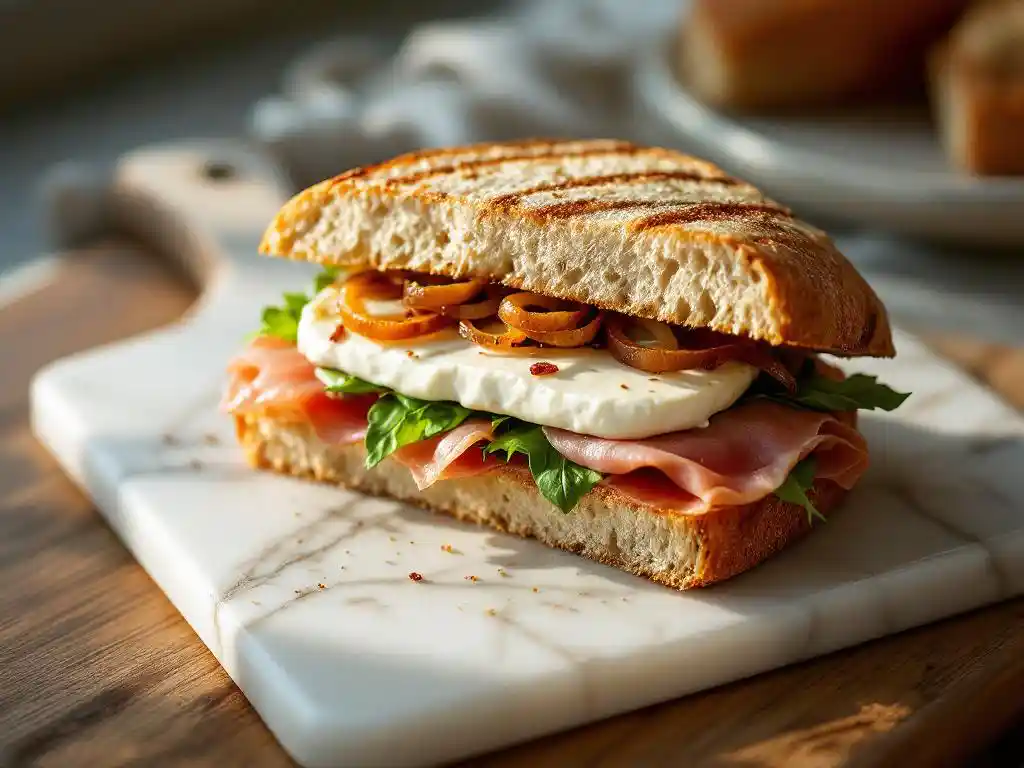
Goat cheese transforms ordinary sandwiches into sophisticated culinary experiences through its distinctive creamy texture and tangy flavor profile. Unlike traditional sandwich cheeses, goat cheese offers a lighter, more refined taste that complements premium ingredients while providing better digestibility for many diners. Professional chefs in upscale establishments increasingly choose goat cheese for signature sandwiches because it elevates both flavor complexity and nutritional value, making it the ideal choice for gourmet sandwich creation.
What makes goat cheese different from other sandwich cheeses?
Goat cheese stands apart from traditional sandwich cheeses through its unique protein structure and fat composition, creating a distinctively smooth, spreadable texture. The smaller fat globules in goat’s milk produce a lighter, more delicate cheese that melts differently than cow’s milk varieties like cheddar or Swiss. This fundamental difference results in a tangy, slightly tart flavor profile that adds sophistication without overwhelming other ingredients.
The creamy consistency of goat cheese comes from its naturally higher moisture content and different casein proteins. Where cheddar provides sharp, aged notes and Swiss offers nutty undertones, goat cheese delivers a clean, fresh taste with subtle earthy hints. This makes it particularly suitable for upscale dining contexts where balance and refinement matter.
Traditional sandwich cheeses often dominate flavor profiles, but goat cheese acts as a complementary element. Its lower melting point creates a luxurious, creamy spread when warmed, rather than the stringy pull of mozzarella or the oil separation common with aged cheddars. This behavior makes goat cheese especially versatile for both cold and heated sandwich applications in fine dining establishments.
How does goat cheese enhance the flavor profile of gourmet sandwiches?
Goat cheese acts as a flavor bridge in gourmet sandwiches, harmonizing sweet and savory elements while adding creamy richness. Its mild tanginess perfectly balances the saltiness of cured meats like prosciutto and the sweetness of accompaniments such as fig jam or caramelized onions. This complementary quality allows each ingredient to shine without competition, creating layered flavor experiences that define upscale sandwich offerings.
Premium ingredients like peppery arugula, roasted red peppers, and sun-dried tomatoes find an ideal partner in goat cheese. The cheese’s acidity cuts through rich, fatty meats while its creaminess tempers bitter greens and acidic vegetables. This balancing act transforms simple ingredient combinations into sophisticated flavor profiles that justify premium pricing in upscale establishments.
The textural contrast goat cheese provides enhances overall sandwich composition. Its spreadable nature creates a protective barrier that prevents bread from becoming soggy while adding moisture to drier ingredients. When paired with crunchy elements like toasted walnuts or crispy bacon, the smooth cheese creates textural interest that elevates the eating experience beyond basic sandwich construction.
Which types of goat cheese work best for different sandwich styles?
Fresh chèvre works brilliantly for cold sandwiches and wraps, offering maximum spreadability and a mild flavor that won’t overpower delicate ingredients. Its high moisture content makes it ideal for open-faced preparations where visual appeal matters, creating elegant swooshes and dollops that photograph beautifully. For paninis and grilled sandwiches, slightly aged goat cheese with lower moisture content prevents excess liquid release during heating.
Semi-soft goat cheeses aged 2–4 weeks provide the perfect middle ground for versatile sandwich applications. These varieties maintain spreadability while offering more complex flavors and better melting properties for hot sandwiches. Their firmer texture allows for slicing, making them suitable for layered club sandwiches or sophisticated croque variations.
Aged goat cheeses bring intensity and structure to heartier sandwich preparations. Hard aged varieties can be shaved or grated, adding sharp, complex notes to Italian-style paninis or French-inspired tartines. Consider these pairing guidelines:
- Fresh chèvre: vegetable-forward sandwiches, wraps, tea sandwiches
- Semi-soft: grilled sandwiches, paninis, warm open-faced preparations
- Aged varieties: meat-heavy sandwiches, rustic preparations, cheese-forward compositions
What nutritional advantages does goat cheese offer in upscale sandwiches?
Goat cheese contains naturally lower lactose levels than cow’s milk cheeses, making it digestible for many lactose-sensitive diners who still desire creamy cheese in their sandwiches. The protein structure in goat cheese breaks down more easily during digestion, reducing the heavy feeling often associated with cheese-laden sandwiches. This digestibility factor strongly appeals to health-conscious customers in upscale establishments.
The mineral profile of goat cheese provides notable nutritional benefits, including higher levels of calcium, phosphorus, and vitamin A compared to many cow’s milk cheeses. A typical serving contains fewer calories and less fat than equivalent amounts of cheddar or brie, allowing chefs to create indulgent-tasting sandwiches with better nutritional profiles. This balance between satisfaction and nutrition meets modern dining expectations.
Portion control becomes easier with goat cheese due to its intense flavor and rich mouthfeel. Chefs can use smaller amounts while achieving greater taste impact, naturally reducing calorie content without sacrificing the luxurious experience diners expect. The cheese’s natural tang also reduces the need for additional high-sodium condiments, supporting lower overall sodium levels in finished sandwiches.
How do professional chefs incorporate goat cheese into signature sandwiches?
Professional chefs treat goat cheese as a foundational element rather than a mere garnish, using specific techniques to maximize its impact in sandwich creation. Temperature control proves crucial—allowing cheese to reach room temperature before spreading ensures optimal texture and flavor release. Many chefs whip fresh goat cheese with herbs or honey to create signature spreads that become menu differentiators.
Layering techniques matter significantly when building goat cheese sandwiches. Chefs typically apply the cheese directly to the bread as a moisture barrier, then strategically place it between contrasting textures. Some establishments pre-mix goat cheese with complementary ingredients like roasted garlic or truffle oil, creating proprietary blends that define their sandwich offerings.
Presentation strategies for goat cheese sandwiches focus on visual appeal through thoughtful composition. Professional kitchens often:
- Pipe decorative cheese rosettes on open-faced sandwiches
- Create cheese quenelles for elegant plating
- Use torches to lightly brown cheese surfaces for added visual interest
- Incorporate edible flowers or microgreens as complementary garnishes
The key lies in respecting the cheese’s delicate nature while building bold, memorable flavor combinations that justify premium pricing.
How DeJong Cheese helps create exceptional upscale sandwiches
We at DeJong Cheese understand the specific needs of foodservice professionals creating upscale sandwich menus. Our premium goat cheese range, developed through decades of traditional craftsmanship, delivers the consistency and quality that professional kitchens demand. From fresh, spreadable varieties perfect for delicate tea sandwiches to aged options that bring complexity to hearty paninis, our products support diverse menu applications.
Our commitment to foodservice partners includes:
- Consistent texture and flavor profiles for reliable menu execution
- Flexible packaging formats designed for professional kitchen efficiency
- Custom product development for signature sandwich creations
- Technical support for optimal storage and handling procedures
- Year-round availability ensuring menu stability
We work closely with chefs to develop goat cheese varieties that meet specific sandwich applications, whether that’s a perfectly meltable cheese for panini stations or a firm-textured variety for slicing at deli counters. Our expertise in traditional Dutch cheese-making, combined with modern food safety certifications, provides the foundation upscale establishments need.
Ready to elevate your sandwich menu with authentic Dutch goat cheese? Explore our complete foodservice product range or contact our team to discuss custom solutions for your establishment. Discover where to source our products through our sales locations page.
Frequently Asked Questions
What's the best way to prevent goat cheese from overpowering other sandwich ingredients?
Start with a thin layer of goat cheese and gradually build up, tasting as you go. Mix the cheese with neutral ingredients like cream cheese or Greek yogurt to mellow its tang, or balance it with sweet elements like honey or fruit preserves. For particularly strong goat cheeses, use them sparingly as an accent rather than the main spread, and pair with robust ingredients like smoked meats or roasted vegetables that can hold their own.
How should I store goat cheese to maintain optimal texture for sandwich-making?
Keep unopened goat cheese in its original packaging in the refrigerator’s cheese drawer at 35-40°F. Once opened, wrap fresh goat cheese tightly in parchment paper, then loosely in plastic wrap to allow it to breathe while preventing moisture loss. For best spreading consistency, remove goat cheese from refrigeration 20-30 minutes before use, and consume within 1-2 weeks of opening for peak freshness and texture.
Can I make goat cheese sandwiches ahead of time for catering events?
Yes, but timing and technique are crucial for maintaining quality. Prepare sandwiches no more than 4-6 hours in advance, using aged goat cheese varieties with lower moisture content to prevent sogginess. Create a barrier between the cheese and vegetables using lettuce leaves or thin meat slices, and wrap sandwiches tightly in plastic wrap before refrigerating. For best results, add delicate ingredients like arugula or tomatoes just before serving.
What are common mistakes when melting goat cheese for hot sandwiches?
The most common error is using high heat, which causes goat cheese to separate and become grainy rather than creamy. Use medium-low heat and cover the sandwich briefly to create gentle steam that helps the cheese melt evenly. Avoid using fresh chèvre for grilled sandwiches as its high moisture content can make bread soggy – opt for semi-aged varieties instead. Also, don’t overload the sandwich with cheese; a thin, even layer melts more successfully than thick chunks.
How can I incorporate goat cheese into vegetarian sandwich options that feel substantial?
Build hearty vegetarian sandwiches by pairing goat cheese with protein-rich ingredients like grilled portobello mushrooms, roasted chickpeas, or thick slices of grilled eggplant. Add textural variety with toasted nuts, seeds, or crispy fried onions. Use sturdy breads like ciabatta or whole grain sourdough that can support generous fillings, and consider warm preparations that allow the goat cheese to become creamy and satisfying, creating a more filling sandwich experience.
What wine pairings work best with goat cheese sandwiches for upscale lunch service?
Crisp white wines like Sauvignon Blanc or Sancerre naturally complement goat cheese’s tangy profile and cut through its richness. For sandwiches featuring sweeter elements like fig or caramelized onions, try a slightly off-dry Riesling or Gewürztraminer. Rosé wines offer versatility for various sandwich styles, while light-bodied reds like Pinot Noir work well with heartier preparations featuring grilled vegetables or cured meats. Always serve wines slightly chilled to refresh the palate between bites.