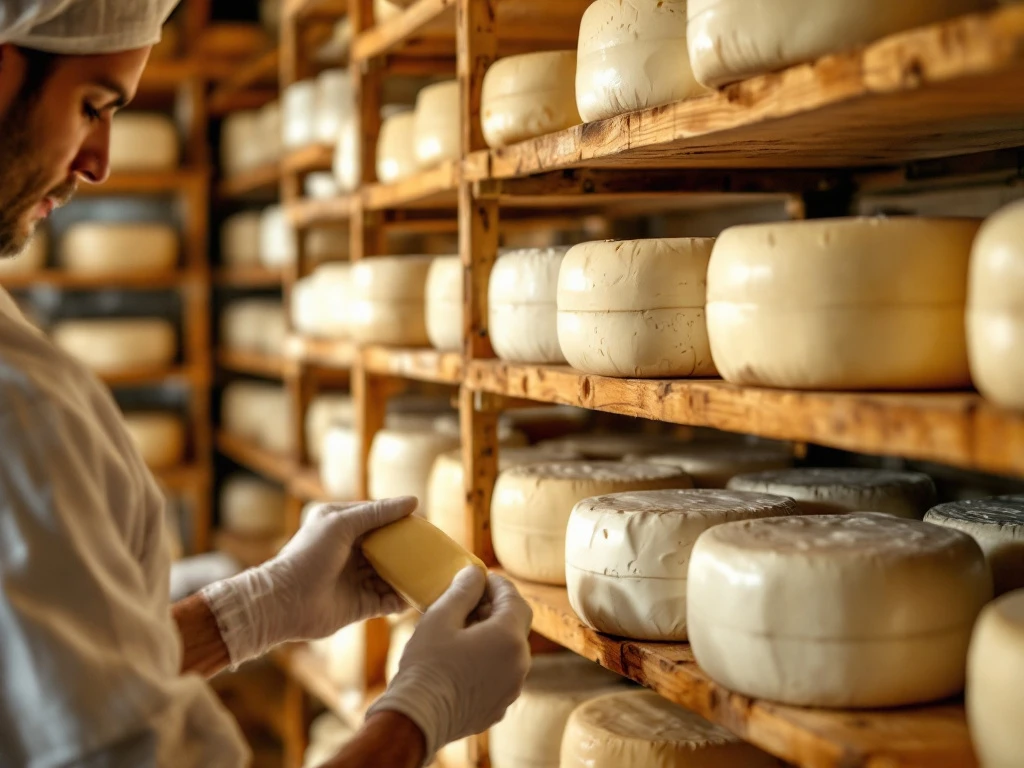
Ensuring consistent goat cheese quality across batches requires careful control of multiple variables throughout the production process. From milk standardisation to aging management, each step demands precise monitoring and adjustment. Successful batch consistency relies on understanding how factors like seasonal milk variations, temperature control, and testing protocols work together to create uniform products that meet quality standards every time.
What factors affect goat cheese quality between batches?
Several key variables impact goat cheese consistency between production runs. Milk composition variations represent the most significant factor, as fat and protein levels naturally fluctuate based on the goats’ lactation stage, diet, and seasonal changes. Temperature fluctuations during processing can alter acidification rates and texture development, whilst starter culture activity levels determine fermentation speed and flavour profile consistency.
Environmental conditions during aging play a crucial role in batch uniformity. Humidity levels affect rind development and moisture retention, whilst temperature variations can accelerate or slow ripening processes. Even small changes in air circulation patterns within aging rooms create microclimates that influence individual cheeses differently.
We’ve observed that seasonal diet changes significantly impact milk characteristics. Spring grass produces milk with different fatty acid profiles compared to winter hay feeding, affecting both texture and flavour development. These variations require constant adjustment of production parameters to maintain consistent end products across seasons.
How do you standardize milk quality for consistent cheese production?
Milk standardisation begins with comprehensive testing protocols that measure fat content, protein levels, pH values, and bacterial counts for every delivery. Establishing strong relationships with goat farmers ensures consistent feeding practices and animal health management. Pooling milk from multiple sources helps balance natural variations, creating a more uniform starting material for cheese production.
Testing parameters should include somatic cell counts, which indicate udder health and affect cheese yield and quality. We implement strict acceptance criteria, rejecting milk that falls outside predetermined ranges for key components. Regular calibration of testing equipment ensures measurement accuracy across all batches.
Seasonal adjustments prove essential for maintaining year-round consistency. During spring flush periods when milk volumes increase, fat and protein percentages typically decrease. Compensating through adjusted rennet quantities, modified acidification times, or selective milk blending helps maintain target cheese characteristics despite raw material variations.
What quality control measures prevent batch variations?
Critical control points throughout production include continuous temperature monitoring during pasteurisation, acidification, and pressing stages. pH tracking during culture development ensures consistent acidification rates, whilst moisture content testing at multiple stages prevents texture variations. Salt distribution verification through core sampling guarantees uniform flavour development across each batch.
Documentation requirements extend beyond simple record-keeping. Detailed production logs capture environmental conditions, equipment settings, and timing for each process step. This data enables trend analysis and helps identify patterns that might indicate developing issues before they affect product quality.
Sensory evaluation protocols involve trained panels assessing appearance, texture, aroma, and flavour attributes against established standards. When deviations occur, immediate corrective actions might include adjusting aging conditions, modifying handling procedures, or segregating affected products for alternative uses. Regular calibration sessions ensure panel members maintain consistent evaluation criteria.
Which testing methods best ensure cheese consistency?
Laboratory testing approaches combine microbiological analysis with physical and chemical measurements. Texture profile analysis using penetrometers or compression testing provides objective data about firmness and elasticity. Moisture and fat content testing through near-infrared spectroscopy offers rapid results for process adjustments, whilst traditional gravimetric methods provide reference accuracy for calibration purposes.
Microbiological testing encompasses both pathogen screening and beneficial culture enumeration. Monitoring starter culture activity levels helps predict fermentation outcomes, whilst yeast and mould counts indicate aging room conditions. Regular environmental sampling of production areas identifies potential contamination sources before they impact product quality.
Rapid testing methods like pH meters and portable spectrometers enable real-time process monitoring, though traditional laboratory analyses remain essential for comprehensive quality assurance. We balance quick feedback needs with thorough analytical accuracy by using rapid methods for routine monitoring whilst conducting detailed laboratory analyses at critical stages.
How does proper aging management improve batch consistency?
Aging room conditions require precise control to ensure uniform ripening across all cheeses. Temperature stability within ±1°C prevents uneven moisture migration and maintains consistent enzymatic activity. Humidity control systems maintaining 85-95% relative humidity (depending on cheese type) ensure proper rind development without excessive moisture loss. Strategic air circulation creates uniform conditions throughout the aging space, eliminating dead zones where cheeses might develop differently.
Surface treatment protocols must follow strict schedules to maintain consistency. Regular turning prevents moisture accumulation on contact surfaces whilst promoting even rind formation. For washed-rind varieties, standardised brine concentrations and application frequencies ensure uniform surface flora development.
Monitoring systems track individual cheese development through weight loss measurements, visual inspections, and periodic sampling. Electronic data logging creates historical records that help optimise aging parameters for different seasonal milk characteristics. This systematic approach to aging management transforms what could be a variable process into a controlled environment producing consistent results batch after batch.
Achieving consistent goat cheese quality requires integrating all these elements into a comprehensive quality management system. Success comes from understanding how each factor influences the final product and maintaining vigilant control throughout production. For cheese producers seeking to improve batch consistency, focusing on milk standardisation, implementing robust testing protocols, and maintaining precise aging conditions provides the foundation for reliable quality. Our commitment to these principles ensures every batch meets the high standards expected in today’s competitive cheese market.
Related Articles
- What are the best goat cheese options for ready-to-eat meals on an industrial scale?
- How do you document supplier certifications from a goat cheese producer for your own quality system?
- What does a factory audit reveal about the reliability of a cheese producer?
- How does BRC certification benefit goat cheese buyers?
- Is goat cheese suitable for Mediterranean diet?