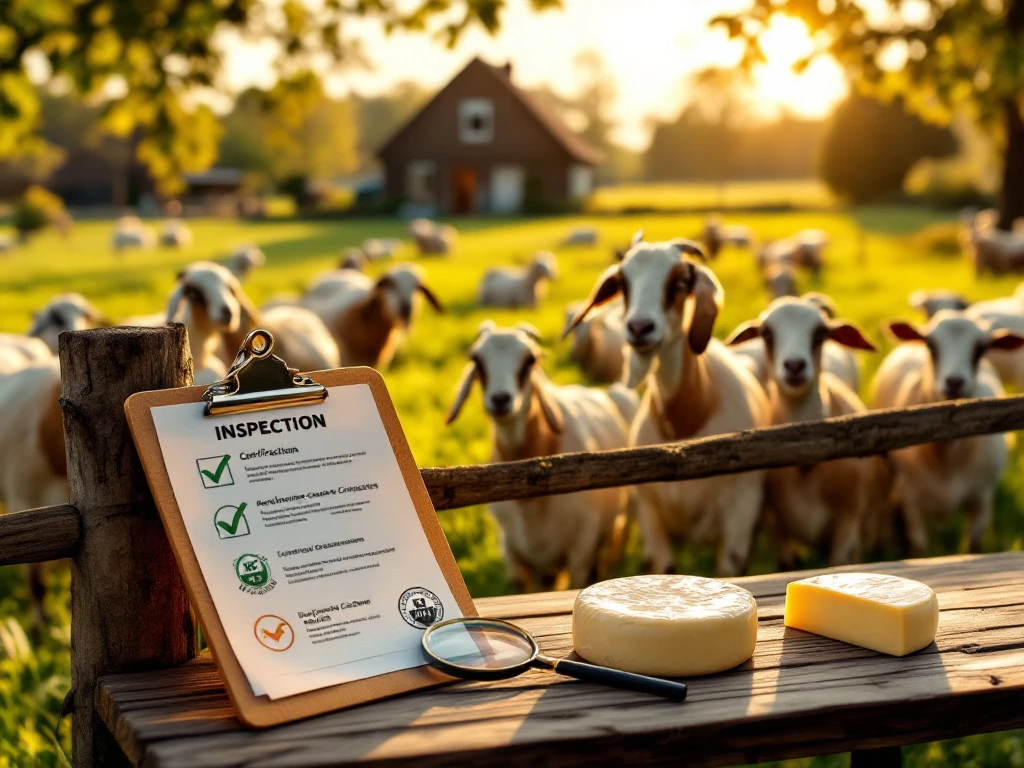
Verifying animal welfare standards in goat cheese production involves checking certifications, documentation, and direct farm practices. Look for recognised certifications like Animal Welfare Approved or Certified Humane, verify certificate authenticity through official databases, and ask producers specific questions about housing conditions, outdoor access, and veterinary care protocols. Transparency indicators such as published welfare policies and third-party audit reports provide additional verification beyond standard certifications.
What are animal welfare standards in goat cheese production?
Animal welfare standards in goat cheese production encompass the five freedoms: freedom from hunger, discomfort, pain, fear, and freedom to express normal behaviour. These standards require adequate space (minimum 1.5 square metres per goat indoors), access to pasture, proper ventilation, and natural lighting. Goats must receive species-appropriate feed, regular veterinary care, and social housing that allows natural herd behaviour.
Living conditions differ significantly from conventional farming. Welfare-focused farms provide outdoor access for at least 120 days annually, whereas conventional systems may keep goats indoors year-round. Feed requirements include roughage comprising at least 60% of daily intake, promoting natural rumination. Healthcare protocols emphasise preventive care rather than routine antibiotic use, with detailed health records maintained for each animal.
These standards directly impact cheese quality. Stress-free goats produce milk with better fat and protein ratios, resulting in superior cheese texture and flavour development. Natural grazing contributes unique terroir characteristics to the cheese, while reduced stress hormones in milk improve shelf life and consistency.
Which certifications guarantee goat welfare in cheese production?
Several certifications guarantee goat welfare, each with different requirements and stringency levels. Animal Welfare Approved maintains the highest standards, requiring continuous outdoor access and prohibiting routine mutilations. Certified Humane focuses on indoor space requirements and humane handling, while Global Animal Partnership uses a tiered system rating farms from basic to exemplary welfare practices.
EU organic standards, including certifications like SKAL in the Netherlands, mandate outdoor access and organic feed but primarily focus on production methods rather than welfare specifics. IFS and BRC certifications, while important for food safety, don’t specifically address animal welfare beyond basic legal requirements.
Verify certification authenticity through official databases. Each certification body maintains searchable online directories where you can enter certificate numbers to confirm validity and scope. Check expiration dates, as most certifications require annual renewal. Request copies of full audit reports, not just certificates, as these detail specific compliance areas and any corrective actions required.
How can you verify welfare standards through farm transparency?
Farm transparency provides direct insight into welfare practices beyond certifications. Progressive producers offer farm visits, allowing buyers to observe housing conditions, animal behaviour, and management practices firsthand. Look for calm animals with glossy coats, clear eyes, and natural social interactions. Stressed goats display aggression, excessive vocalisation, or stereotypical behaviours like fence-chewing.
Published welfare policies indicate commitment to standards. These should detail specific practices regarding housing, healthcare, and end-of-life management. Photo and video documentation showing seasonal changes demonstrates year-round welfare maintenance. Request recent third-party audit reports from veterinarians or welfare specialists, which provide objective assessments of conditions.
Red flags include reluctance to share information, excuses preventing farm visits, or vague responses about specific practices. Positive indicators include detailed record-keeping, regular welfare training for staff, and participation in continuous improvement programmes. Suppliers who proactively share welfare updates and challenges demonstrate genuine commitment rather than mere compliance.
What questions should you ask cheese producers about goat welfare?
Essential questions for B2B buyers cover specific welfare aspects that directly impact product quality and ethical standards. Ask about housing specifications: “What is your stocking density per square metre?” and “How many hours daily do goats access pasture?” Specific numbers indicate transparency, while vague responses like “adequate space” suggest potential issues.
Inquire about kid-rearing practices: “At what age are kids separated from mothers?” and “What feeding system do you use for young goats?” Welfare-conscious producers keep kids with mothers for at least 45 days and use natural milk feeding systems. Ask about veterinary protocols: “How often does a veterinarian visit?” and “What are your preventive health measures?”
Questions about end-of-life policies reveal overall welfare philosophy. “What happens to goats past productive age?” and “How do you manage transport to processing facilities?” Responsible producers maintain retired goats or ensure humane end-of-life procedures. Evasive answers about any aspect, especially claims of “industry standard” practices without specifics, warrant further investigation.
How do welfare standards impact cheese quality and business value?
Welfare standards directly influence milk composition, with stress-free goats producing milk containing optimal protein structures for cheese-making. This results in better curd formation, improved texture development, and more complex flavour profiles. Natural feeding on diverse pastures introduces unique fatty acid profiles that enhance cheese taste and create distinctive terroir characteristics impossible to replicate in confined systems.
Business benefits extend beyond product quality. Premium market positioning becomes possible when welfare standards are verified and communicated effectively. Consumer trust increases significantly, with studies showing willingness to pay 15-30% premiums for welfare-verified products. This positioning reduces price competition pressure and builds brand loyalty among conscious consumers.
Long-term supplier relationships strengthen when based on shared welfare values. Reduced regulatory risks come from exceeding minimum standards, protecting against changing legislation. Corporate social responsibility goals align naturally with high welfare standards, supporting sustainability reporting and ethical sourcing policies. Investment in welfare verification demonstrates commitment to quality that resonates throughout the supply chain, from farm to final customer.
Understanding and verifying animal welfare standards creates value beyond ethical considerations. Quality improvements, market differentiation, and risk reduction provide tangible business benefits. As consumer awareness grows and regulations tighten, early adoption of comprehensive welfare verification positions businesses advantageously. We at DeJong Cheese understand these connections deeply, combining traditional craftsmanship with modern welfare standards to produce exceptional goat cheese that meets the highest ethical and quality expectations.
Related Articles
- How do you build up a stock buffer without risking the shelf life of your goat cheese?
- Which internal stakeholders do you involve in selecting a cheese supplier?
- What does a factory audit reveal about the reliability of a cheese producer?
- How do manufacturers develop new recipes with goat cheese?
- Is goat cheese good for weight loss?