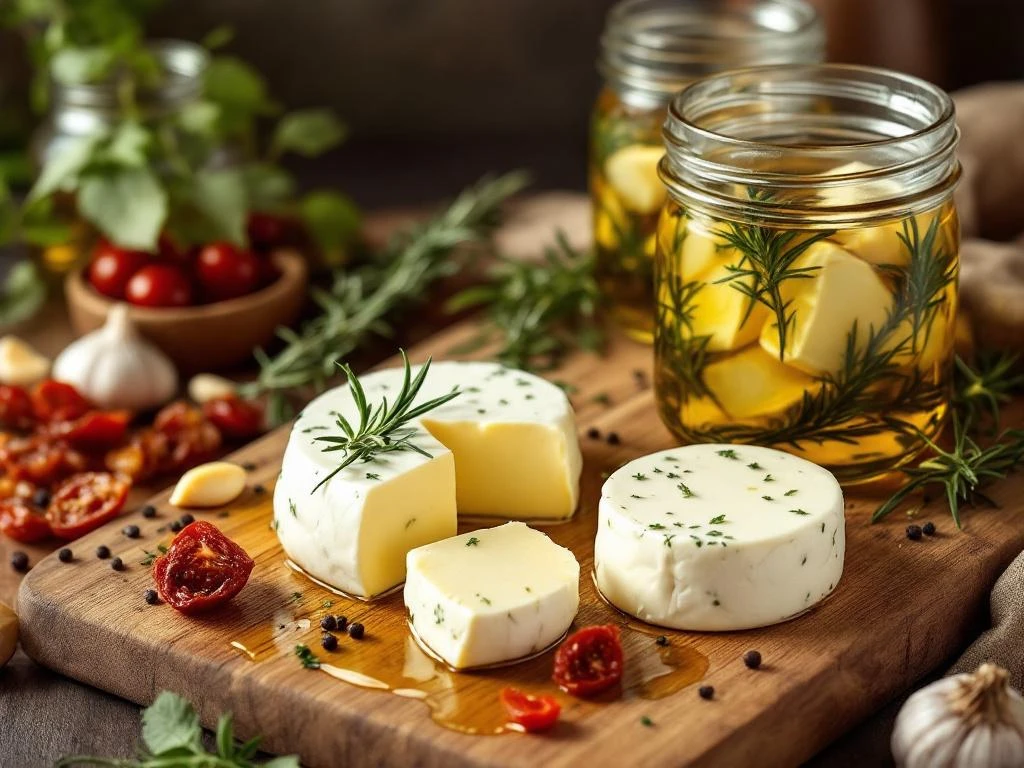
Yes, goat cheese can absolutely be marinated. The process involves submerging fresh or soft goat cheese in oil-based mixtures infused with herbs, spices, and aromatics. This technique not only enhances the cheese’s flavour profile but also extends its shelf life, making it an excellent value-added product for retail and foodservice applications. The soft, creamy texture of goat cheese readily absorbs marinades, creating premium speciality products.
Understanding marinated goat cheese fundamentals
Marinating goat cheese is a time-honoured technique that transforms fresh cheeses into premium speciality products. The process works particularly well with soft and semi-soft goat cheeses, as their moisture content and texture allow for optimal marinade absorption. When goat cheese meets a well-crafted marinade, the oil base acts as both a flavour carrier and a protective barrier, preventing the cheese from drying out whilst infusing it with complementary tastes.
The basic principles of cheese marination involve three key components: an oil base (typically extra virgin olive oil), acid components (such as lemon juice or vinegar), and flavour infusions (herbs, spices, and aromatics). The oil penetrates the cheese’s surface, carrying dissolved flavour compounds deep into its structure. This not only creates complex taste profiles but also extends the product’s shelf life by creating an anaerobic environment that inhibits bacterial growth.
For B2B customers in retail and foodservice sectors, marinated goat cheese offers significant advantages. The process adds value to fresh cheese products, creates distinctive menu offerings, and provides ready-to-serve convenience. Whether presented as elegant cheese pearls in spiced oil or traditional rounds infused with Mediterranean herbs, marinated goat cheese delivers both visual appeal and exceptional taste.
What types of goat cheese work best for marinating?
Fresh chèvre stands as the ideal candidate for marinating, with its creamy texture and mild flavour providing the perfect canvas for marinade absorption. Fresh goat cheese with 16-20% fat content offers the optimal balance, maintaining structural integrity whilst readily accepting flavour infusions. The smooth, spreadable varieties work exceptionally well, as their higher moisture content allows marinades to penetrate more effectively than aged cheeses.
Soft-ripened goat cheeses, such as goat brie with its characteristic white rind, present unique marinating opportunities. The rind acts as a semi-permeable barrier, allowing controlled flavour absorption whilst maintaining the cheese’s distinctive character. These varieties develop more complex flavours when marinated, as the enzymes in the ripened cheese interact with marinade components to create new taste dimensions.
Different cheese formats require specific marinating approaches:
- Cheese pearls and crumbles: Maximum surface area for rapid flavour absorption
- Logs and rounds: Require longer marinating times but maintain shape beautifully
- Sliced pucks: Ideal for portion control and consistent flavour distribution
- Spreadable formats: Best for incorporating marinade directly into the product
The key to success lies in matching cheese consistency to intended use. Firmer textures suit longer marination periods and robust handling, whilst softer varieties excel in quick-infusion applications where delicate flavours are desired.
How long should you marinate goat cheese?
Marinating duration directly impacts both flavour intensity and texture, making timing crucial for achieving desired results. Quick flavour infusions require just 2-4 hours at room temperature, perfect for same-day service in restaurants or fresh market applications. During this brief period, surface oils and aromatics create an immediate flavour impact without significantly altering the cheese’s core texture.
For deeper flavour penetration and enhanced preservation, marinating for 24-48 hours under refrigeration produces optimal results. This timeframe allows herb-infused oils to permeate the cheese whilst maintaining food safety standards. The cold environment slows flavour absorption but ensures even distribution throughout the product.
Extended marination up to several weeks transforms goat cheese into a shelf-stable speciality product. Key factors affecting duration include:
- Oil temperature: Warmer oils penetrate faster but require careful monitoring
- Cheese density: Softer cheeses absorb marinades more quickly
- Marinade acidity: Higher acid content accelerates flavour transfer
- Storage conditions: Consistent refrigeration extends safe marinating time
Visual cues indicate optimal marination: the cheese surface should appear glossy but not oil-logged, herbs should adhere naturally, and the texture should remain creamy rather than mushy. Professional kitchens often test small batches to determine ideal timing for specific applications.
What are the best marinade combinations for goat cheese?
Classic Mediterranean marinades remain the gold standard, combining extra virgin olive oil with fresh rosemary, thyme, and crushed garlic. This traditional blend enhances goat cheese’s natural tanginess whilst adding aromatic complexity. The addition of black peppercorns and bay leaves creates depth, making these marinades perfect for upscale retail offerings and restaurant cheese boards.
Middle Eastern-inspired marinades offer exciting flavour profiles for adventurous markets. Za’atar-spiced oil with preserved lemons brings bright, complex notes that complement goat cheese beautifully. Combinations featuring sumac, dried mint, and Aleppo pepper create distinctive products that stand out in speciality cheese cases. These exotic blends particularly appeal to foodservice operators seeking unique menu differentiators.
Innovative marinade formulations push creative boundaries:
- Truffle oil with fresh herbs for luxury applications
- Honey-infused oil with lavender for dessert cheeses
- Smoked paprika oil with roasted garlic for tapas presentations
- Chilli-lime oil with coriander for fusion cuisine
Creating signature marinades requires balancing oil quality, herb freshness, and spice intensity. Professional formulators recommend starting with neutral-flavoured oils for delicate herbs, whilst robust olive oils pair well with stronger aromatics. The key lies in complementing rather than overwhelming the cheese’s inherent flavour.
Key takeaways for marinating goat cheese successfully
Successful goat cheese marination begins with selecting the right cheese texture for your intended application. Fresh, soft varieties absorb flavours quickly and suit short-term marination, whilst firmer cheeses withstand extended marinating periods. Understanding these fundamentals helps B2B buyers choose products that meet their operational needs whilst delivering consistent quality.
Food safety considerations remain paramount in marinated cheese production. Maintaining proper refrigeration, using high-quality oils, and following HACCP protocols ensures product integrity. For retail applications, clear labelling of marinating dates and ingredients builds consumer trust. Foodservice operators should establish rotation systems to maintain freshness whilst maximising flavour development.
The market opportunity for marinated goat cheese continues expanding as consumers seek artisanal, value-added dairy products. Retail buyers can differentiate their cheese counters with unique marinated offerings, whilst foodservice professionals can create signature dishes featuring house-marinated cheeses. Industrial applications include ready-to-use marinated cheese components for meal kits and prepared foods.
Packaging solutions play a crucial role in product success. Vacuum-sealed containers preserve marinade integrity, whilst clear packaging showcases the product’s visual appeal. For foodservice, bulk packaging with easy-drain features streamlines kitchen operations. These practical considerations, combined with creative flavour development, position marinated goat cheese as a premium product category with significant growth potential across all B2B market segments.