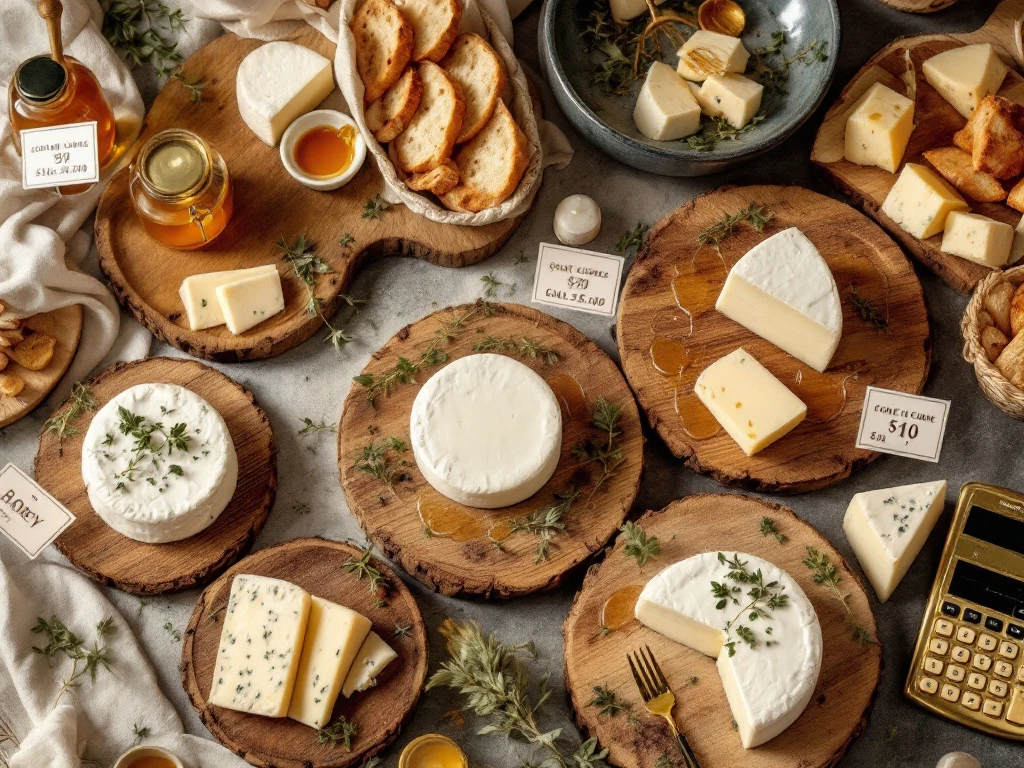
Effective goat cheese menu pricing requires understanding all cost factors, from purchase price to waste percentages, then applying strategic pricing methods that balance profitability with customer value perception. The actual food cost for goat cheese dishes typically runs between 28-35%, higher than many other menu items due to the premium nature of the ingredient and its specific handling requirements. Successful pricing strategies combine accurate cost calculations with market positioning, portion control, and creative menu applications that maximise both profit margins and customer satisfaction.
What factors determine the true cost of goat cheese in menu items?
The true cost of goat cheese in menu items extends far beyond the purchase price, encompassing yield percentages, storage requirements, seasonal fluctuations, and waste factors. Fresh goat cheese typically yields 85-90% usable product, while aged varieties may yield 95% due to lower moisture content. Understanding these comprehensive cost factors helps establish accurate menu pricing that protects profit margins.
Direct cost factors include the purchase price per kilogram, which varies significantly between fresh goat cheese (averaging £12-18/kg) and aged speciality varieties (£20-35/kg). Different formats also impact costs – crumbles, slices, and spreads often carry premium pricing due to additional processing. When calculating true costs, consider that fresh goat cheese has a shorter shelf life (7-14 days) compared to aged varieties (30-60 days), directly affecting waste percentages and inventory turnover.
Indirect cost factors significantly impact overall profitability. Storage requirements for goat cheese demand consistent refrigeration at 2-4°C, with separate storage areas to prevent flavour transfer. Seasonal price fluctuations can increase costs by 15-25% during peak demand periods, particularly around holidays. Quality grades also affect pricing – artisanal goat cheese commands premium prices but offers unique selling propositions that justify higher menu prices.
Preparation and handling requirements add hidden costs often overlooked in basic calculations. Goat cheese requires careful temperature management during service, specialised cutting equipment for portion control, and trained staff who understand proper handling techniques. These factors typically add 8-12% to the base product cost, making accurate cost tracking essential for maintaining profitability.
How do you calculate the actual food cost percentage for goat cheese dishes?
Calculating accurate food cost percentages for goat cheese dishes requires a systematic approach that accounts for all ingredients, preparation labour, and service considerations. Start by determining the exact portion size in grams, then calculate the cost per portion based on purchase price and yield percentage. Include all accompaniments, garnishes, and preparation time to achieve a true cost figure that reflects operational reality.
The basic formula for food cost percentage is: (Total Dish Cost ÷ Menu Price) × 100. For goat cheese dishes, begin with the cheese portion cost. If using 75g of fresh goat cheese from a 1kg roll costing £15, the cheese cost is £1.125. Add accompaniments like mixed greens (£0.40), nuts (£0.30), dressing (£0.20), and bread (£0.35), bringing the total ingredient cost to £2.325. Factor in 10% for preparation labour and handling, resulting in a final cost of £2.56.
Industry-standard food cost targets for cheese-forward dishes typically range from 28-35%, higher than the general 25-30% target due to premium ingredient costs. For a goat cheese salad with a £2.56 cost, pricing at £8.50 achieves a 30% food cost. Fine dining establishments may accept 35-40% food costs for signature goat cheese dishes, compensating through beverage sales and other high-margin items.
Service style adjustments affect cost calculations significantly. Buffet service requires 20-30% additional product to account for presentation and waste. Plated service offers better portion control but increases labour costs by 15-20%. Tapas or small plate formats allow premium pricing per gram while controlling portions, often achieving better margins despite higher food cost percentages.
What’s the best pricing strategy for goat cheese menu items?
The most effective pricing strategy for goat cheese menu items combines value perception with profitability goals, using psychological pricing techniques and competitive positioning. Premium goat cheese dishes support prices 20-30% higher than similar items with standard cheese, provided the quality difference is clearly communicated. Successful strategies balance cost recovery with market positioning and customer value perception.
Cost-plus pricing provides a straightforward starting point: multiply total dish cost by 3.5-4 to achieve a 25-28% food cost. However, this method alone ignores market dynamics and competitive positioning. Enhance basic cost-plus calculations by analysing competitor pricing for similar offerings, adjusting 10-15% higher or lower based on your establishment’s market position and quality proposition.
Value-based pricing leverages goat cheese’s premium perception to support higher margins. Position goat cheese dishes as artisanal specialities, emphasising provenance, traditional production methods, and unique flavour profiles. This approach supports pricing 25-40% above comparable dishes using standard cheese. Create value through presentation, portion size optimisation, and complementary ingredients that enhance the overall experience without significantly increasing costs.
Psychological pricing techniques improve customer acceptance of premium prices. Price points ending in .95 or .50 feel more accessible than round numbers. Bundle goat cheese items with wine pairings or tasting menus to increase perceived value while improving overall check averages. Position one ultra-premium goat cheese dish as an anchor, making other goat cheese options appear more reasonably priced by comparison.
How can you reduce goat cheese costs without compromising quality?
Reducing goat cheese costs while maintaining quality requires strategic purchasing, efficient utilisation, and waste minimisation techniques. Smart portion control, cross-utilisation strategies, and seasonal menu planning can reduce costs by 15-20% without affecting customer satisfaction. Focus on maximising value from every gram of product through careful planning and execution.
Portion control techniques offer immediate cost savings. Use portion scales to ensure consistent 60-75g servings for salads and 40-50g for garnishes. Pre-portion cheese during prep time rather than during service to improve accuracy. Consider using pre-sliced or crumbled formats that eliminate cutting waste and ensure consistent portions, despite slightly higher per-kilogram costs. These formats can reduce overall costs by minimising waste and labour.
Creative menu applications stretch expensive goat cheese across multiple dishes. Whipped goat cheese incorporates air, increasing volume by 30-40% while maintaining flavour impact. Goat cheese sauces and dressings use smaller amounts of cheese diluted with cream or yogurt. Compound applications like goat cheese-stuffed items or crostini toppings deliver flavour impact with controlled portions. Cross-utilise trim and ends in soups, sauces, or staff meals to achieve near-zero waste.
Supplier relationships and purchasing strategies significantly impact costs. Negotiate volume discounts for consistent weekly orders rather than sporadic large purchases. Consider private label options from quality producers, potentially saving 15-25% versus branded products. Time purchases around seasonal price dips, typically late spring and early autumn when milk production peaks. Establish relationships with local producers for fresher product with longer usable shelf life.
Which menu formats work best for profitable goat cheese offerings?
The most profitable goat cheese menu formats balance customer appeal with operational efficiency, typically achieving 65-75% gross profit margins. Cheese boards, small plates, and integrated dishes each offer distinct advantages for profitability. Successful formats minimise labour while maximising perceived value through presentation and complementary ingredients that enhance the goat cheese without significant additional cost.
Cheese boards represent the highest profit potential, achieving 70-80% gross margins through minimal labour and strategic portioning. A three-cheese board featuring 40g each of fresh, aged, and flavoured goat cheese, accompanied by crackers, fruits, and nuts, costs approximately £3.50 to produce but commands £14-18 menu prices. The visual impact and sharing aspect justify premium pricing while portion control remains precise. Enhanced profitability comes from using house-made accompaniments and seasonal fruits.
Small plates and tapas formats optimise portion control and pricing psychology. Individual portions of 50-60g allow £7-9 price points that feel accessible while maintaining 30-35% food costs. Popular formats include goat cheese crostini, stuffed peppers, or individual tarts. These preparations can be partially prepared in advance, reducing service labour while ensuring consistency. The small plate trend supports ordering multiple items, increasing overall check averages.
Integrated dishes where goat cheese enhances rather than dominates offer excellent margin opportunities. Goat cheese-topped pizzas, risottos, or pasta dishes use 40-50g portions while commanding premium prices due to the ingredient’s presence. These applications achieve 25-30% food costs while satisfying customers seeking goat cheese without committing to cheese-centric dishes. Salads featuring goat cheese consistently rank among the most profitable menu items, with 65-70% gross margins when properly portioned and priced.
Understanding goat cheese costing and pricing strategies enables foodservice operators to feature this premium ingredient profitably. Success requires accurate cost calculations, strategic pricing methods, and creative menu applications that balance customer value with operational efficiency. Whether you’re seeking to expand your cheese offerings or optimise existing menu items, working with experienced goat cheese suppliers who understand foodservice needs can provide valuable insights into cost-effective formats and applications. Our expertise in producing various goat cheese formats, from convenient pre-portioned options to versatile bulk packaging, helps foodservice professionals achieve their profitability goals while delivering exceptional quality to their customers.