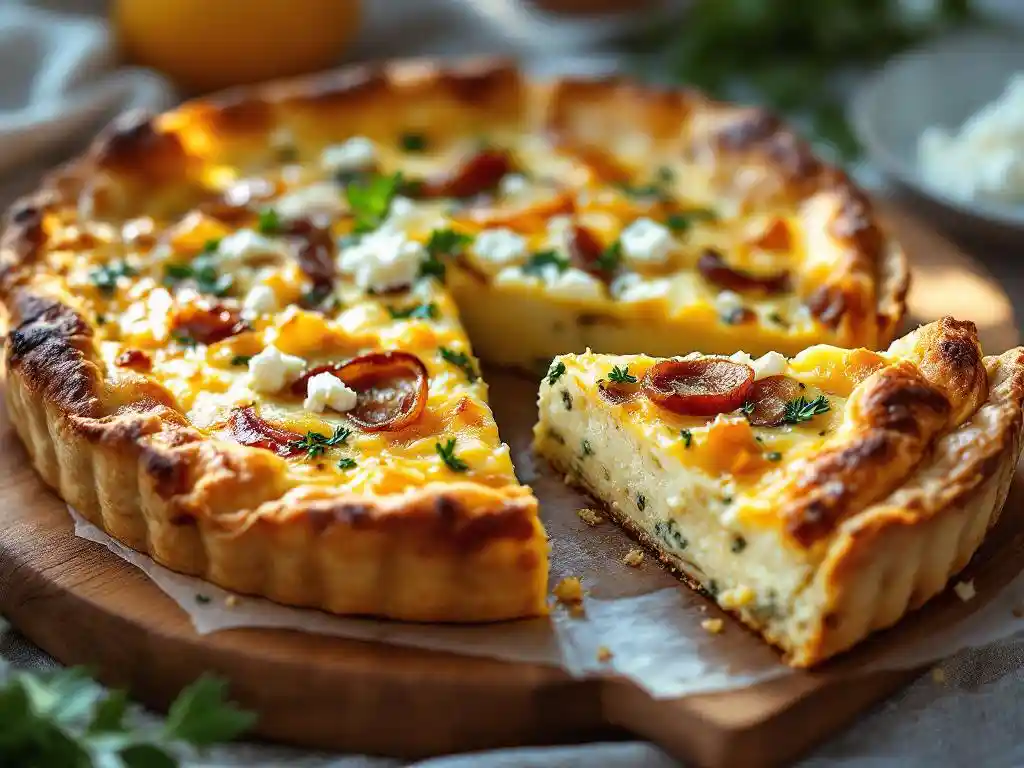
Goat cheese transforms ordinary quiches and tarts into premium culinary experiences through its distinctive tangy flavour and creamy texture. Its unique melting properties create silky custards while maintaining structural integrity, making it ideal for both rustic and refined presentations. Professional kitchens increasingly choose goat cheese for upscale quiche concepts because it delivers sophisticated flavour profiles that complement seasonal ingredients beautifully. Understanding how to work with different goat cheese varieties and preparation techniques ensures consistent, impressive results that elevate any menu offering.
What makes goat cheese ideal for premium quiche and tart applications?
Goat cheese brings three essential qualities to premium quiche and tart preparations: exceptional creaminess, balanced tanginess, and superior melting characteristics. These properties create luxurious textures that distinguish upscale offerings from standard egg-based dishes. The cheese’s natural acidity brightens rich custard fillings, while its protein structure provides stability during baking.
The creamy texture of goat cheese integrates seamlessly into egg custards, creating velvety smooth fillings without the graininess sometimes found with other cheeses. Fresh goat cheese melts evenly throughout the mixture, distributing flavour consistently while maintaining a light, airy structure that won’t weigh down delicate pastry.
Premium applications benefit from goat cheese’s ability to complement both savoury and sweet elements. Its tangy profile cuts through rich ingredients like caramelised onions or roasted vegetables, while pairing beautifully with honey, figs, or pears in more adventurous tart concepts. This versatility allows chefs to create signature dishes that appeal to sophisticated palates.
Visual appeal plays a crucial role in premium presentations, and goat cheese delivers here too. It maintains a bright white colour during baking, creating attractive contrast against colourful vegetables or herbs. Crumbled varieties add textural interest on top, developing golden edges that signal artisanal quality to discerning diners.
Which goat cheese varieties work best in different quiche concepts?
Fresh goat cheese works best for smooth, creamy quiche fillings, while aged varieties add complexity and a firmer texture to rustic preparations. Young cheeses blend easily into custards, creating a uniform consistency ideal for classic French-style quiches. Aged goat cheeses contribute nutty, developed flavours that stand up to robust ingredients like mushrooms or cured meats.
Soft-ripened goat cheeses with bloomy rinds offer unique possibilities for premium applications. These varieties melt beautifully while maintaining pockets of intense flavour throughout the filling. Their earthy undertones complement autumn vegetables particularly well, making them perfect for seasonal menu rotations.
Semi-hard goat cheeses provide excellent options for textural contrast in quiche preparations. Grated or cubed, they maintain some structure during baking, creating pleasant surprises for diners. These firmer varieties work exceptionally well in Mediterranean-inspired quiches with sun-dried tomatoes, olives, and herbs.
Flavoured goat cheeses infused with herbs, peppers, or garlic streamline preparation while ensuring consistent seasoning throughout. These varieties eliminate the need for additional flavouring steps, which is particularly valuable in high-volume foodservice operations. However, plain varieties offer more flexibility for custom flavour development.
Temperature considerations vary by cheese type. Fresh varieties should be brought to room temperature before being incorporated into fillings for smooth blending. Aged cheeses can be used cold, as their firmer texture grates more easily when chilled. Understanding these nuances ensures optimal texture in finished products.
How do you balance goat cheese with other ingredients in premium tarts?
Balancing goat cheese in premium tarts requires understanding its assertive flavour profile and using complementary ingredients that enhance rather than compete. Start with 20–30% goat cheese in the total filling mixture to allow its character to shine without overwhelming other components. This ratio provides distinctive tang while maintaining harmony with vegetables, herbs, or fruits.
Vegetables that pair exceptionally well with goat cheese include roasted red peppers, caramelised onions, spinach, and asparagus. These ingredients offer sweetness or earthiness that complements the cheese’s acidity. Roasting vegetables before adding them concentrates flavours and removes excess moisture that could compromise tart texture.
Fresh herbs elevate goat cheese tarts significantly. Thyme, rosemary, and oregano provide aromatic complexity, while basil and chives add brightness. Use herbs sparingly – typically one tablespoon of fresh herbs per 200 g goat cheese maintains balance. Dried herbs require even more restraint, as their concentrated flavours can quickly overpower.
Protein additions require careful consideration to avoid flavour conflicts. Prosciutto, smoked salmon, and pancetta work beautifully with goat cheese, adding savoury depth without competing for attention. Avoid strongly flavoured meats like chorizo or blue cheese-stuffed options that clash with goat cheese’s delicate tang.
Sweet elements create intriguing flavour profiles in upscale tart concepts. Caramelised figs, roasted pears, or honeyed walnuts provide sophisticated contrast to goat cheese’s acidity. These combinations work particularly well for brunch menus or as unique starter options. Balance sweet elements carefully – aim for 15–20% of total filling volume to maintain savoury appeal.
What are the most successful goat cheese quiche combinations for foodservice?
Mediterranean-inspired combinations consistently perform well in foodservice settings, with spinach, sun-dried tomato, and goat cheese quiche leading popularity charts. This classic trio appeals to health-conscious diners while delivering bold flavours that photograph beautifully for social media. Adding pine nuts or olives creates premium variations that command higher price points.
Seasonal rotations keep menus fresh while maximising ingredient availability. Spring combinations featuring asparagus, peas, and fresh goat cheese celebrate lighter flavours. Summer versions with roasted courgette, cherry tomatoes, and basil capture peak-season produce. Autumn brings opportunities for butternut squash, sage, and aged goat cheese combinations that comfort diners.
Brunch-focused operations find success with goat cheese and caramelised onion quiches enhanced with fresh thyme. This combination offers sophisticated flavours that pair well with both coffee and champagne, making it versatile for different dayparts. Adding crispy pancetta creates a premium version that satisfies heartier appetites.
Vegetarian options featuring goat cheese address growing dietary preferences while maintaining premium positioning. Roasted vegetable medleys with goat cheese satisfy plant-based diners without sacrificing flavour complexity. Wild mushroom and truffle oil variations create luxury vegetarian options that appeal to all diners, not just those avoiding meat.
Menu positioning strategies should emphasise artisanal qualities and local sourcing when possible. Describing specific goat cheese varieties and their flavour profiles helps justify premium pricing. Offering both individual and sharing sizes maximises revenue opportunities while accommodating different dining occasions.
How do temperature and preparation method affect goat cheese in quiches?
Temperature control proves critical when working with goat cheese in quiche preparations, as excessive heat causes separation and graininess. Bake quiches at 160–170°C for optimal results, allowing gentle cooking that maintains a creamy texture. Higher temperatures risk curdling the proteins in both eggs and cheese, resulting in watery, broken custards.
Pre-treatment methods significantly impact final texture. Bringing fresh goat cheese to room temperature 30 minutes before use ensures smooth incorporation into egg mixtures. Whisking cheese with a small amount of cream before adding eggs prevents lumps and creates silkier custards. This technique proves especially valuable for firmer goat cheese varieties.
Timing considerations vary based on cheese placement within the quiche. Goat cheese mixed throughout the filling requires standard baking times of 35–45 minutes. However, cheese placed on top benefits from being added during the final 15 minutes to prevent over-browning while achieving attractive golden edges.
Professional kitchens achieve consistency through standardised preparation protocols. Using paddle attachments rather than whisks prevents over-aeration that creates uneven textures. Straining custard mixtures removes any remaining lumps, ensuring smooth results every time. These techniques prove essential for maintaining quality across multiple batches.
Preventing separation requires attention to ingredient ratios and mixing methods. Maintain the proper balance between eggs, cream, and cheese – typically 3 eggs to 200 ml cream to 150 g goat cheese. Gentle folding rather than vigorous mixing preserves the emulsion, while adding a tablespoon of flour helps stabilise the mixture in high-volume operations.
How DeJong Cheese helps with premium quiche and tart development
We specialise in creating goat cheese solutions perfectly suited to premium quiche and tart applications in professional kitchens. Our range includes fresh, soft-ripened, and aged varieties, each crafted to deliver consistent results in foodservice environments. Working closely with chefs and product developers, we understand the unique challenges of incorporating goat cheese into high-volume production while maintaining artisanal quality.
Our technical support team assists with recipe development and troubleshooting, ensuring your goat cheese applications achieve optimal texture and flavour every time. We offer:
- Custom texture profiles matched to specific quiche and tart applications
- Bulk packaging formats designed for efficient kitchen operations
- Consistent quality that eliminates batch-to-batch variations
- Technical guidance on temperature control and preparation methods
- Private label options for signature menu items
Our traditional craftsmanship, combined with modern food safety standards, means you receive products that meet the highest quality requirements. With FSSC 22000 certification and decades of expertise, we ensure every delivery supports your premium menu ambitions.
Ready to elevate your quiche and tart offerings with exceptional goat cheese? Contact our team to explore our complete range and discuss custom solutions for your kitchen.
Frequently Asked Questions
How can I prevent my goat cheese quiche from becoming watery during baking?
To prevent watery quiches, pre-cook vegetables to remove excess moisture, use the correct ratio of eggs to dairy (3:1), and avoid overbaking. Pat dry any wet ingredients like spinach or tomatoes, and consider adding a tablespoon of flour to your custard mixture for extra stability. Always bake at 160-170°C and remove the quiche while the centre still has a slight jiggle.
What's the best way to incorporate crumbled goat cheese into a tart without it sinking to the bottom?
Toss crumbled goat cheese with a small amount of flour before folding it into your filling – this helps suspend the pieces throughout the custard. Alternatively, add half the cheese to the mixture and reserve half to sprinkle on top during the last 15 minutes of baking. For even distribution, freeze small goat cheese cubes for 10 minutes before adding them to maintain their shape during mixing.
Can I make goat cheese quiches ahead of time for catering events?
Yes, goat cheese quiches hold exceptionally well for advance preparation. Bake them completely, cool to room temperature, then refrigerate for up to 3 days or freeze for up to 3 months. For best results, slightly underbake by 5 minutes if planning to reheat. Reheat in a 150°C oven for 15-20 minutes, covering with foil to prevent over-browning while ensuring the centre is heated through.
How do I know which goat cheese strength will work best with my existing menu items?
Start by matching cheese intensity to your other ingredients – mild fresh goat cheese pairs well with delicate vegetables and herbs, while aged varieties complement robust flavours like caramelised onions or cured meats. Consider your target audience too: casual dining often favours milder options, while fine dining establishments can showcase more assertive aged varieties. Request samples from suppliers to test combinations before committing to large orders.
What are common mistakes when substituting goat cheese for other cheeses in quiche recipes?
The most common mistake is using the same quantity as harder cheeses – goat cheese has higher moisture content, so reduce the amount by 20-30% to maintain proper custard consistency. Don’t add extra salt without tasting first, as goat cheese can be quite salty. Also avoid high-heat cooking methods that work for cheddar or gruyere, as goat cheese requires gentler temperatures to maintain its creamy texture.
How can I create a vegan alternative that mimics goat cheese's tang in tarts?
While not identical, you can create a tangy vegan filling by blending cashew cream with lemon juice, nutritional yeast, and apple cider vinegar. Add probiotics or fermented tofu for deeper flavour complexity. For texture, incorporate silken tofu or aquafaba into your base. These alternatives work best in vegetable-forward tarts where the produce flavours take centre stage.
What's the ideal crust pairing for goat cheese quiches in upscale settings?
Buttery pâte brisée provides the classic foundation that complements goat cheese without competing. For added sophistication, incorporate herbs like thyme or rosemary directly into the crust, or use alternative flours like spelt or buckwheat for nutty undertones. Puff pastry creates an impressive presentation for individual tarts, while phyllo offers a lighter option that lets the goat cheese filling shine.
Related Articles
- How do you combine goat cheese with truffle to create a premium charcuterie product?
- What are the advantages of goat cheese over cow cheese in industrial pizza applications?
- How do you know if a goat cheese producer can meet your requirements in the long term?
- Why is goat cheese ideal for upscale sandwiches?
- What are goat cheese and honey combinations?