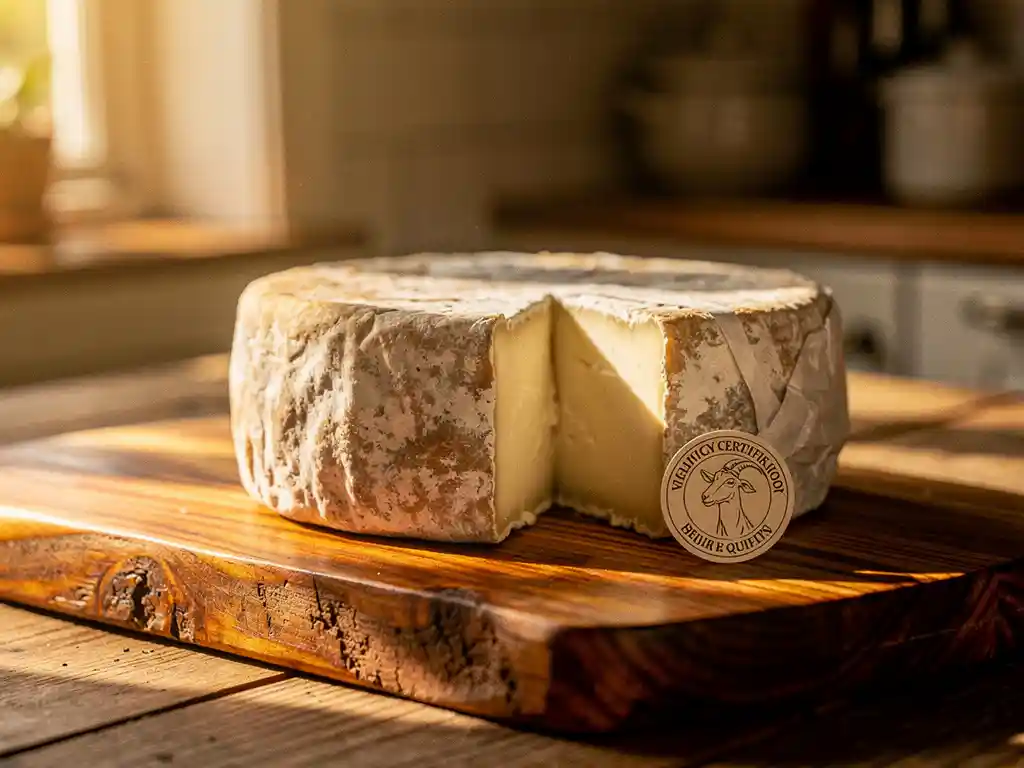
Het Kwaligeit-keurmerk is een belangrijk kwaliteitssysteem in de Nederlandse geitenzuivelsector dat strenge eisen stelt aan de melkkwaliteit. Voor producenten van geitenkaas, zoals wij bij DeJong Cheese, betekent dit keurmerk een waarborg voor hoogwaardige grondstoffen en eindproducten. In dit artikel beantwoorden we de belangrijkste vragen over het Kwaligeit-keurmerk en wat het betekent voor de kwaliteit van geitenkaas.
Wat is het Kwaligeit-keurmerk precies?
Het Kwaligeit-keurmerk is een Nederlands kwaliteitssysteem specifiek voor geitenmelk dat garandeert dat de melk voldoet aan de hoogste kwaliteitsnormen op het gebied van diergezondheid, melkkwaliteit en bedrijfsvoering. Dit keurmerk wordt uitgegeven door de Stichting Kwaligeit en controleert de hele keten van geitenhouderij tot melkverwerking.
Het systeem werd ontwikkeld om de Nederlandse geitenzuivelsector te professionaliseren en consumenten zekerheid te bieden over de kwaliteit van geitenmelkproducten. Kwaligeit werkt met een puntensysteem waarbij geitenhouders worden beoordeeld op verschillende aspecten van hun bedrijfsvoering. Alleen bedrijven die aan alle strenge eisen voldoen, mogen het keurmerk voeren.
Voor kaasproducenten betekent het Kwaligeit-keurmerk dat zij werken met melk van de hoogste kwaliteit. Dit vertaalt zich direct naar de smaak, houdbaarheid en consistentie van producten zoals verse geitenkaas, geitenkaas plakjes en gerijpte geitenkaas. Het keurmerk biedt transparantie in de hele productieketen en zorgt voor traceerbare kwaliteit vanaf de geitenhouderij tot het eindproduct.
Welke eisen stelt Kwaligeit aan de melkkwaliteit?
Kwaligeit stelt strenge eisen aan melkkwaliteit, waaronder maximale kiemgetallen van 100.000 per ml, celgetallen onder 750.000 per ml, afwezigheid van antibiotica en andere residuen, en specifieke eisen voor vet- en eiwitgehalten. Deze parameters worden maandelijks gecontroleerd en moeten consistent binnen de normen blijven.
De microbiologische eisen zijn bijzonder streng omdat deze direct invloed hebben op de voedselveiligheid en houdbaarheid van geitenkaasproducten. Het kiemgetal is een indicator voor de hygiëne tijdens het melken en de bewaring van de melk. Een laag kiemgetal betekent dat de melk vers is en onder optimale omstandigheden is gewonnen en bewaard.
Naast microbiologische parameters stelt Kwaligeit ook eisen aan de samenstelling van de melk. Het vet- en eiwitgehalte moet binnen bepaalde marges liggen om consistente kaaskwaliteit te garanderen. Voor smeerbare geitenkaas en geitenkaas bolletjes is een stabiele melksamenstelling essentieel voor het productieproces en de eindkwaliteit.
Het keurmerk eist ook dat de melk vrij is van ongewenste stoffen zoals antibiotica, desinfectiemiddelen en andere contaminanten. Dit wordt gecontroleerd door regelmatige analyses waarbij elke levering melk wordt getest voordat deze wordt verwerkt tot kaas.
Hoe wordt de melkkwaliteit gecontroleerd voor het keurmerk?
De melkkwaliteit voor het Kwaligeit-keurmerk wordt gecontroleerd door maandelijkse tankmelkmonsters die worden geanalyseerd in gecertificeerde laboratoria, aangevuld met onaangekondigde bedrijfsinspecties waarbij de hele bedrijfsvoering wordt beoordeeld. Dit tweesporenbeleid zorgt voor continue monitoring van zowel de melkkwaliteit als de productieomstandigheden.
De tankmelkmonsters worden genomen bij elke ophaling van de melk en getest op alle relevante parameters. Deze monsters worden geanalyseerd op kiemgetal, celgetal, vet- en eiwitgehalte, vriespunt en de aanwezigheid van antibiotica. De resultaten worden digitaal vastgelegd en zijn traceerbaar voor elke batch melk.
Bedrijfsinspecties vinden minimaal twee keer per jaar plaats, waarvan minstens één onaangekondigd. Tijdens deze inspecties wordt gekeken naar:
- Hygiëne in de melkstal en melkopslag
- Diergezondheid en welzijn
- Voermanagement en waterkwaliteit
- Administratie en registratie
- Naleving van protocollen en procedures
Bij afwijkingen volgt direct een hersteltraject met extra controles. Bedrijven die structureel niet voldoen aan de eisen verliezen hun Kwaligeit-certificering, wat betekent dat hun melk niet meer mag worden gebruikt voor producten met het keurmerk.
Wat betekent het Kwaligeit-keurmerk voor de smaak en kwaliteit van geitenkaas?
Het Kwaligeit-keurmerk garandeert een consistente, zuivere smaak van geitenkaas doordat alleen melk van de hoogste kwaliteit wordt gebruikt, wat resulteert in kaas met een milde, frisse smaak zonder bijsmaken, een betere textuur en een langere houdbaarheid. De strenge kwaliteitscontroles zorgen voor voorspelbare producteigenschappen die essentieel zijn voor professionele verwerking.
De lage kiemgetallen in Kwaligeit-melk betekenen dat de natuurlijke melkzuurbacteriën optimaal hun werk kunnen doen tijdens het kaasproductieproces. Dit resulteert in een gecontroleerde verzuring die bijdraagt aan de karakteristieke frisse smaak van verse geitenkaas en geitenkaas schijfjes. Ongewenste bacteriën die bijsmaken kunnen veroorzaken worden effectief uitgesloten.
Voor gerijpte geitenkaas is de constante melkkwaliteit cruciaal voor een voorspelbaar rijpingsproces. De eiwitstructuur in hoogwaardige melk zorgt voor de juiste textuurontwikkeling tijdens het rijpen, wat resulteert in kaas met de gewenste smeuïgheid en smaakintensiteit.
De afwezigheid van antibiotica en andere residuen betekent niet alleen voedselveiligheid, maar draagt ook bij aan een zuivere smaakbeleving. Consumenten proeven het verschil in de vorm van een schone, frisse geitenkaaservaring zonder storende elementen. Voor industriële toepassingen betekent deze consistentie dat producten zoals smeerbare geitenkaas altijd dezelfde functionele eigenschappen hebben.
Waarom kiezen geitenkaasproducenten voor het Kwaligeit-keurmerk?
Geitenkaasproducenten kiezen voor het Kwaligeit-keurmerk omdat het een onafhankelijke garantie biedt voor melkkwaliteit, consumentenvertrouwen versterkt, toegang geeft tot premium marktsegmenten en zorgt voor consistente productkwaliteit die essentieel is voor merkpositionering. Het keurmerk fungeert als kwaliteitsborging die verder gaat dan wettelijke minimumeisen.
Voor ons als producent betekent werken met Kwaligeit-melk dat we onze klanten in de foodservice en industrie kunnen garanderen dat onze geitenkaasproducten van constante topkwaliteit zijn. Dit is vooral belangrijk voor professionele afnemers die afhankelijk zijn van voorspelbare producteigenschappen voor hun eigen productieprocessen.
Het keurmerk biedt ook marketingvoordelen. Consumenten herkennen en waarderen het Kwaligeit-logo als teken van kwaliteit en duurzame productie. Dit vertaalt zich in hogere consumentenacceptatie en de mogelijkheid om premium prijspunten te rechtvaardigen voor producten zoals verse geitenkaas plakjes en specialiteiten.
Daarnaast versterkt het Kwaligeit-systeem de hele geitenzuivelketen. Door samen te werken aan kwaliteitsverbetering creëren melkveehouders en kaasproducenten een sterke, professionele sector die internationaal kan concurreren. Het keurmerk opent deuren naar exportmarkten waar strenge kwaliteitseisen gelden.
Hoe herken je geitenkaas met het Kwaligeit-keurmerk?
Geitenkaas met het Kwaligeit-keurmerk is herkenbaar aan het officiële Kwaligeit-logo op de verpakking, vaak geplaatst bij andere kwaliteitskeurmerken. Het logo bestaat uit de naam “Kwaligeit” in een kenmerkend ontwerp dat consumenten direct kunnen identificeren als garantie voor hoogwaardige geitenmelkproducten.
Het keurmerk wordt prominent weergegeven op:
- Verpakkingen van verse geitenkaas en geitenkaas bolletjes
- Labels van gerijpte geitenkaasproducten
- Bulkverpakkingen voor foodservice en industrie
- Productinformatiebladen en specificaties
- Websites en marketingmaterialen van producenten
Naast het logo kunnen consumenten ook informatie vinden over het keurmerk in de ingrediëntenlijst of productomschrijving. Vaak staat er expliciet vermeld dat de kaas is gemaakt van “geitenmelk met Kwaligeit-keurmerk” of vergelijkbare bewoordingen.
Voor professionele afnemers is de Kwaligeit-certificering ook terug te vinden in productspecificaties en certificaten. Bij twijfel kunnen klanten altijd navragen bij de producent of leverancier of de gebruikte melk het Kwaligeit-keurmerk draagt. Transparantie over de herkomst en kwaliteit van grondstoffen is een kernwaarde binnen het Kwaligeit-systeem.
Hoe DeJong Cheese helpt met hoogwaardige geitenkaas met gegarandeerde melkkwaliteit
Bij DeJong Cheese waarborgen wij de hoogste melkkwaliteit voor onze geitenkaasproducten door samen te werken met geselecteerde geitenhouders die voldoen aan strenge kwaliteitseisen. Onze traditionele productieprocessen sinds 1995 combineren we met moderne kwaliteitscontroles om consistente topkwaliteit te leveren aan foodservice en industrie wereldwijd.
Onze kwaliteitsgarantie voor professionele afnemers omvat:
- Traceerbare melkherkomst van gecontroleerde leveranciers
- IFS Food-certificering voor voedselveiligheid
- Consistente productspecificaties voor industriële verwerking
- Uitgebreide range van verse tot gerijpte geitenkaasproducten
- Private label mogelijkheden met dezelfde kwaliteitsgaranties
Voor inkopers zoals Marco Visser die zekerheid zoeken over constante kwaliteit en betrouwbare levering, bieden onze foodservice producten de oplossing. Van smeerbare geitenkaas voor de horeca tot geitenkaas crumbles voor industriële toepassingen – elk product wordt gemaakt met dezelfde aandacht voor melkkwaliteit.
Wilt u meer weten over hoe onze geitenkaasproducten met gegarandeerde melkkwaliteit uw assortiment kunnen versterken? Neem contact met ons op voor productspecificaties, samples of een persoonlijk gesprek. Ontdek ook waar u onze producten kunt vinden via onze verkooppunten of bezoek onze homepage voor het complete assortiment Alphenaer geitenkaasspecialiteiten.
Frequently Asked Questions
Hoe kan ik als inkoper verifiëren of de geitenkaas die ik bestel daadwerkelijk met Kwaligeit-melk is gemaakt?
Vraag uw leverancier om een productcertificaat waarin de Kwaligeit-status wordt bevestigd. Serieuze producenten zoals DeJong Cheese kunnen traceerbaarheidsdocumenten overleggen die de melkherkomst aantonen, inclusief de Kwaligeit-certificering van hun melkleveranciers. Bij twijfel kunt u ook rechtstreeks contact opnemen met Stichting Kwaligeit voor verificatie.
Wat zijn de praktische voordelen van Kwaligeit-geitenkaas voor mijn horecabedrijf of cateringservice?
Kwaligeit-geitenkaas biedt consistente smaak en textuur wat essentieel is voor gestandaardiseerde recepturen, heeft een langere houdbaarheid door lagere kiemgetallen waardoor minder verspilling optreedt, en geeft u een kwaliteitsverhaal richting gasten. De voorspelbare producteigenschappen maken menu-planning en kostencalculatie betrouwbaarder.
Zijn er prijsverschillen tussen geitenkaas met en zonder Kwaligeit-keurmerk?
Geitenkaas met Kwaligeit-keurmerk kan een lichte meerprijs hebben vanwege de strengere eisen en controles, maar dit wordt gecompenseerd door betere houdbaarheid, consistentere kwaliteit en minder uitval. Voor professionele verwerkers betekent de hogere aanschafprijs vaak lagere totale kosten door verminderde verspilling en klachten.
Hoe lang blijft verse geitenkaas met Kwaligeit-melk houdbaar in vergelijking met reguliere geitenkaas?
Door de lagere kiemgetallen in Kwaligeit-melk heeft verse geitenkaas doorgaans een 20-30% langere houdbaarheid dan reguliere varianten. In de praktijk betekent dit vaak 3-5 dagen extra shelf life voor ongeopende producten bij correcte koeling (2-7°C), wat vooral voor foodservice en retail significant voordeel oplevert in voorraadmanagement.
Welke specifieke Kwaligeit-controles zijn het belangrijkst voor de productie van gerijpte geitenkaas?
Voor gerijpte geitenkaas zijn vooral het celgetal en de eiwitsamenstelling cruciaal. Een laag celgetal zorgt voor optimale enzymatische processen tijdens rijping, terwijl stabiele eiwitgehalten de textuurontwikkeling voorspelbaar maken. Deze parameters bepalen of een kaas mooi rijpt zonder ongewenste smaakafwijkingen of textuurproblemen.
Kan ik als private label klant eisen dat alleen Kwaligeit-melk wordt gebruikt voor mijn geitenkaasproducten?
Ja, bij producenten zoals DeJong Cheese kunt u specifiek vragen om productie met Kwaligeit-gecertificeerde melk voor uw private label. Dit kan worden vastgelegd in productspecificaties en wordt ondersteund met de nodige certificering. Het biedt extra onderscheidingsvermogen voor uw merk en garandeert consistente kwaliteit voor uw klanten.
Hoe vaak worden de Kwaligeit-normen geactualiseerd en wat betekent dit voor mijn langetermijncontracten?
Stichting Kwaligeit evalueert de normen jaarlijks en past deze indien nodig aan op basis van wetenschappelijke inzichten en marktontwikkelingen. Voor langetermijncontracten betekent dit dat de kwaliteit alleen maar kan verbeteren. Serieuze producenten communiceren proactief over eventuele wijzigingen die impact kunnen hebben op productspecificaties.
Related Articles
- How do you monitor the supplier performance of an industrial goat cheese manufacturer?
- What are the benefits of an exclusive partnership with a specialized goat cheese producer?
- What are minimum order quantities for wholesale goat cheese?
- What herbs pair best with goat cheese in cooking?
- Is goat cheese a healthy choice for professional menus?