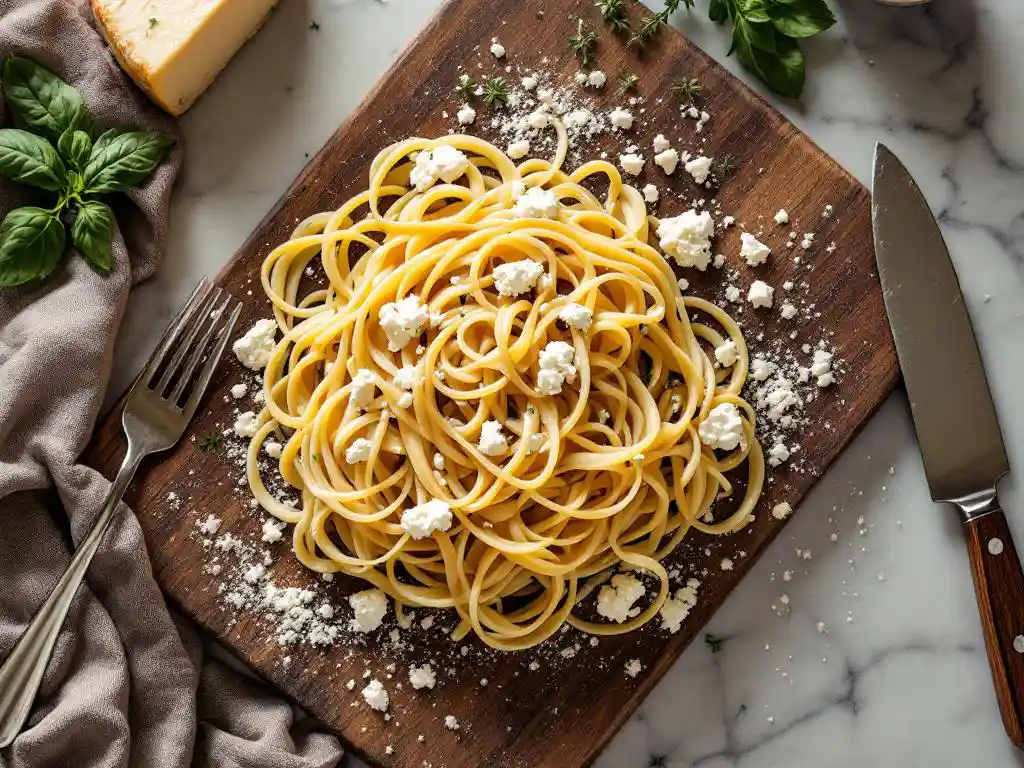
Goat cheese offers unique advantages for pasta product development that set it apart from traditional dairy options. Its creamy texture, distinctive tangy flavour, and excellent melting properties make it an ideal ingredient for industrial pasta manufacturing. With lower lactose content and a lighter protein structure, goat cheese provides both functional benefits and nutritional advantages that appeal to modern consumers seeking premium pasta products.
What makes goat cheese ideal for pasta product development?
Goat cheese brings exceptional functional properties to pasta products through its unique composition and structure. The smaller fat globules in goat cheese create a naturally smoother, creamier texture that integrates seamlessly into pasta fillings and sauces. Its lower melting point compared with many cow’s milk cheeses ensures even distribution during processing, while the distinct tangy flavour adds complexity without overwhelming other ingredients.
The protein structure in goat cheese differs significantly from that of cow’s milk cheese, containing more medium-chain fatty acids that contribute to easier digestibility. This characteristic particularly benefits ready-meal applications where texture stability during reheating is crucial. The naturally white colour of goat cheese also provides a clean, appealing appearance in pasta products without artificial whitening agents.
For industrial applications, goat cheese offers consistent performance across various processing temperatures. Its moisture-binding capabilities help maintain product quality throughout shelf life, reducing syneresis in filled pastas and preventing sauce separation in prepared dishes. These properties make goat cheese particularly valuable for manufacturers seeking to create premium pasta products with extended shelf stability.
How does goat cheese perform differently from cow’s cheese in pasta products?
Goat cheese melts at approximately 5–7°C lower than comparable cow’s milk cheeses, allowing for gentler processing conditions that preserve pasta texture and nutritional value. This lower melting point means faster, more uniform distribution in sauces and fillings, reducing processing time and energy costs. The texture retention of goat cheese during freeze–thaw cycles also surpasses that of many cow’s milk varieties, maintaining quality in frozen pasta products.
Flavour stability represents another key difference in pasta manufacturing contexts. While cow’s milk cheeses can develop bitter notes during extended heating, goat cheese maintains its characteristic tangy profile throughout processing. The pH of goat cheese typically ranges from 4.5 to 5.0, providing natural antimicrobial properties that enhance product safety without additional preservatives.
Nutritionally, goat cheese contains smaller protein molecules and different casein structures from those of cow’s milk cheese, making it easier to digest for many consumers. The fat composition includes more short- and medium-chain fatty acids, which metabolise differently and may appeal to health-conscious markets. These nutritional advantages, combined with superior functional properties, position goat cheese as a premium ingredient choice for pasta manufacturers targeting quality-focused consumers.
Which types of pasta products work best with goat cheese?
Filled pastas such as ravioli, tortellini, and agnolotti showcase goat cheese exceptionally well, as its creamy texture creates luxurious fillings that hold their shape during cooking. The natural binding properties of goat cheese reduce the need for additional stabilisers, while its flavour complements both vegetable and herb additions. Cream-based pasta sauces benefit particularly from goat cheese’s emulsification properties, creating smooth, stable sauces that cling well to pasta shapes.
Baked pasta dishes represent another successful application for goat cheese in industrial production. Its melting characteristics create appealing golden surfaces in lasagnes and pasta bakes, while maintaining moisture throughout the product. The cheese forms stable emulsions with tomato-based sauces, preventing separation during extended holding times in foodservice applications.
Ready-meal pasta solutions increasingly incorporate goat cheese for its stability and premium positioning. Fresh pasta salads benefit from crumbled goat cheese that maintains texture without becoming grainy during cold storage. Gourmet mac and cheese formulations using goat cheese deliver sophisticated flavour profiles that differentiate products in competitive markets. The versatility of goat cheese across hot and cold applications makes it valuable for manufacturers developing diverse pasta product lines.
What are the technical considerations when incorporating goat cheese into pasta?
Processing temperatures for goat cheese in pasta production typically range from 65–75°C for optimal melting without protein degradation. This temperature range preserves the cheese’s functional properties while ensuring food safety. Moisture content management becomes crucial, as goat cheese naturally contains 45–60% moisture that must be balanced with other ingredients to achieve the desired pasta texture and cooking characteristics.
Emulsification requirements vary depending on the pasta application. For cream sauces, goat cheese acts as a natural emulsifier but may require supplementation with modified starches for extended shelf life. The pH stability of goat cheese between 4.5 and 5.0 provides advantages in acidic tomato-based applications, preventing curdling while maintaining a smooth texture throughout product life.
Freeze–thaw performance deserves special attention in industrial pasta production. Goat cheese maintains structural integrity better than many alternatives when properly formulated with cryoprotectants. Adding 0.5–1% sodium citrate can enhance freeze–thaw stability without affecting flavour. For filled pasta applications, combining goat cheese with low-moisture ingredients helps prevent moisture migration during frozen storage. Understanding these technical parameters enables manufacturers to optimise formulations for consistent quality across distribution channels.
How do you balance goat cheese flavour in pasta product formulations?
Balancing goat cheese’s distinctive tangy notes requires strategic ingredient pairing and careful formulation. Herbs like basil, thyme, and oregano complement goat cheese naturally, while roasted vegetables such as red peppers and sun-dried tomatoes provide sweetness that balances tanginess. For broader consumer appeal, combining goat cheese with milder cheeses like ricotta or mozzarella creates balanced flavour profiles that maintain goat cheese character without overwhelming sensitive palates.
Seasoning adjustments play a crucial role in flavour harmony. Salt levels typically need reduction when using goat cheese, as its natural sodium content contributes to overall seasoning. Black pepper, nutmeg, and lemon zest enhance goat cheese flavours without adding competing notes. For cream-based applications, using 60–70% goat cheese with complementary dairy products achieves optimal flavour balance.
Controlling tangy notes involves both formulation and processing techniques. Younger, fresher goat cheeses provide milder flavours suitable for subtle applications, while aged varieties deliver more pronounced character for gourmet products. Heat exposure during processing can intensify goat cheese flavours, so controlling temperature and duration helps maintain the desired flavour intensity. Adding sweet elements like caramelised onions or honey in appropriate quantities creates flavour complexity that appeals to diverse consumer preferences while showcasing goat cheese’s unique character.
How DeJong Cheese helps with pasta product development
We at DeJong Cheese bring decades of expertise in goat cheese production to support pasta manufacturers in creating exceptional products. Our specialised services for pasta product development include:
- Custom formulation development tailored to specific pasta applications and target markets
- Bulk packaging options from 1 kg to 10 kg blocks, designed for efficient industrial processing
- Consistent quality standards backed by BRC, IFS, and FSSC 22000 certifications
- Technical support for optimising processing parameters and shelf life
- Private label opportunities for creating unique brand propositions
- Flexible production capabilities for both fresh and aged goat cheese varieties
Our family tradition since 1995 means we understand the importance of partnership in product development. We work closely with pasta manufacturers to solve technical challenges, from achieving perfect melt characteristics to balancing flavour profiles for international markets. Our extensive product range includes options specifically developed for pasta applications.
Ready to elevate your pasta products with premium goat cheese? Contact our team to discuss your specific requirements and request samples for product development. We deliver to more than 20 countries and can support your growth ambitions with reliable supply and consistent quality. Discover how our goat cheese expertise can transform your pasta offerings and explore our distribution network and partnership opportunities.
Frequently Asked Questions
What's the best way to prevent goat cheese from separating when making large batches of pasta sauce?
To prevent separation in large-scale production, temper the goat cheese by bringing it to room temperature before incorporation and add it gradually while maintaining sauce temperature between 65-70°C. Using a high-shear mixer during the initial blending phase creates a stable emulsion, and adding 0.5-1% sodium citrate or modified starch can provide additional stability for extended hot-holding periods without affecting the flavour profile.
How can I calculate the right goat cheese ratio when scaling up from test kitchen to industrial production?
Start with a 1:1 scaling ratio but adjust for moisture loss during industrial processing, which typically runs 3-5% higher than test kitchen conditions. Factor in the increased mixing intensity and longer processing times by reducing goat cheese content by 5-10% initially, then fine-tune based on trial runs. Document temperature curves and holding times at each scale to maintain consistent texture and flavour intensity across production volumes.
What are the most common mistakes when using goat cheese in frozen pasta products?
The biggest mistakes include using goat cheese with moisture content above 55% without proper stabilisation, freezing products too slowly which causes ice crystal formation and texture degradation, and failing to account for flavour intensification during frozen storage. Avoid these issues by selecting lower-moisture goat cheese varieties, implementing rapid blast freezing at -35°C or below, and reducing initial seasoning levels by 10-15% to compensate for flavour concentration over time.
How do I troubleshoot graininess in goat cheese pasta fillings after cooking?
Graininess typically results from protein denaturation due to excessive heat or pH imbalance. Ensure filling pH stays between 5.2-5.8 by testing and adjusting with citric acid if needed, and keep cooking temperatures below 85°C for filled pasta products. Pre-blending goat cheese with a small amount of cream or mascarpone (10-15%) creates a protective fat matrix that prevents protein aggregation, while incorporating the cheese at the end of the filling preparation minimises heat exposure.
What certifications should I look for when sourcing goat cheese for international pasta distribution?
Beyond standard certifications like BRC, IFS, and FSSC 22000, consider suppliers with specific export certifications for your target markets, such as FDA registration for US exports or EU health marks for European distribution. Halal and Kosher certifications expand market reach, while animal welfare certifications like Certified Humane appeal to conscious consumers. Ensure your supplier can provide consistent documentation and has experience with international shipping requirements to avoid customs delays.
How can I extend the shelf life of fresh pasta products containing goat cheese?
Implement modified atmosphere packaging (MAP) with 30% CO2 and 70% N2 to inhibit microbial growth while maintaining texture quality. Combine this with high-pressure processing (HPP) at 400-600 MPa for 2-3 minutes to achieve 45-60 day refrigerated shelf life without chemical preservatives. Adding natural antimicrobials like cultured dextrose (0.5-1%) or rosemary extract (0.02%) provides additional protection while maintaining clean label status.