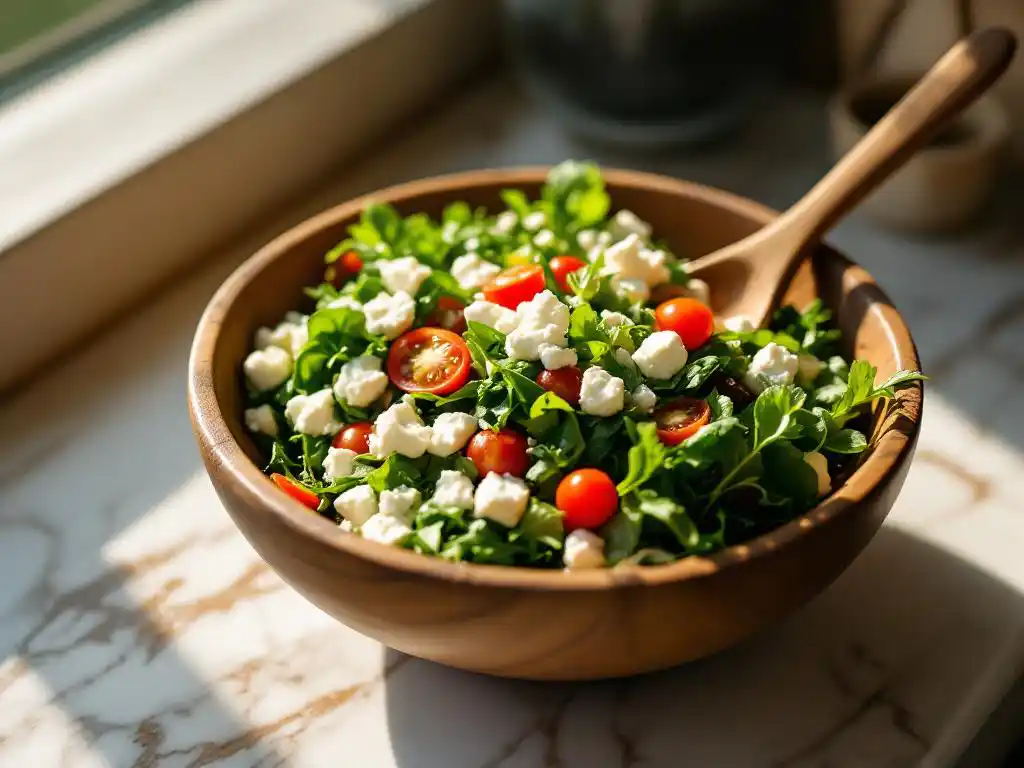
Goat cheese transforms ordinary salads into sophisticated culinary experiences through its distinctive creamy texture, tangy flavor profile, and exceptional versatility. Unlike traditional salad cheeses, goat cheese offers superior digestibility, lower lactose content, and a unique ability to complement both sweet and savory ingredients. Professional chefs and food service providers increasingly choose goat cheese for fresh salad concepts because it delivers consistent quality, enhances nutritional value, and provides endless creative possibilities for menu development.
What makes goat cheese different from other salad cheeses?
Goat cheese stands apart from traditional salad cheeses through its unique protein structure, which creates a softer, more spreadable texture that melts beautifully on warm ingredients. The smaller fat globules in goat cheese make it easier to digest than cow’s milk cheeses like feta or blue cheese, while its naturally lower lactose content accommodates more dietary preferences. This distinctive composition gives goat cheese its characteristic bright, tangy flavor that’s less salty than feta and more delicate than aged cheeses.
The nutritional profile of goat cheese offers several advantages over other salad cheeses. It contains more medium-chain fatty acids, which the body processes more efficiently, and provides essential nutrients including vitamin A, riboflavin, and calcium in highly bioavailable forms. Unlike harder cheeses that can overwhelm delicate greens, goat cheese’s creamy texture integrates seamlessly with salad dressings, creating a luxurious mouthfeel without the need for heavy cream-based additions.
When compared to mozzarella’s mild, milky taste or blue cheese’s intense sharpness, goat cheese occupies a perfect middle ground. Its versatility allows it to crumble like feta for textural interest, spread like cream cheese for dressing applications, or warm gently like fresh mozzarella for composed salads. This adaptability makes goat cheese an invaluable ingredient for creating diverse salad concepts that appeal to various palates and dietary requirements.
How does goat cheese enhance fresh salad flavor profiles?
Goat cheese acts as a flavor bridge in salads, harmonizing contrasting elements through its balanced acidity and creamy richness. Its tangy notes complement bitter greens like arugula and radicchio while softening their intensity, creating a more rounded flavor experience. The cheese’s natural saltiness reduces the need for additional seasoning, allowing the fresh ingredients’ natural flavors to shine through without overwhelming the palate.
The magic happens when goat cheese meets sweet salad components. Paired with roasted beetroot, fresh figs, or caramelized walnuts, goat cheese creates an elegant sweet-savory balance that elevates simple ingredients into restaurant-quality dishes. Its mild earthiness enhances nutty flavors from toasted seeds or grains, while its creamy texture provides a cooling contrast to spicy elements like peppery watercress or chili-infused dressings.
Flavor pairing principles with goat cheese follow both classic and innovative approaches. Traditional Mediterranean combinations include sun-dried tomatoes, olives, and fresh herbs, while modern interpretations embrace seasonal fruits, honey drizzles, and exotic spices. The cheese’s ability to absorb surrounding flavors while maintaining its distinct character makes it ideal for marinated preparations, herb-crusted variations, or infused options that add complexity to salad compositions.
What are the best goat cheese varieties for different salad types?
Fresh goat cheese works brilliantly in simple green salads where its creamy texture can be appreciated without competition. This young, spreadable variety crumbles easily over mixed leaves, creating pockets of richness that complement light vinaigrettes. For grain bowls and heartier salads, soft-ripened goat cheeses with bloomy rinds add depth and visual appeal, their slightly firmer texture holding up well against robust ingredients like quinoa or farro.
Aged goat cheeses bring complexity to composed salads and warm applications. Semi-hard varieties develop nutty, caramel notes that pair beautifully with roasted vegetables and caramelized onions. These firmer cheeses can be shaved or grated, offering textural variety and intensified flavor that stands up to bold dressings and marinades. For warm salads, choose varieties that soften without completely melting, maintaining their shape while becoming deliciously creamy.
Specialty goat cheese preparations expand salad possibilities even further. Ash-ripened varieties add visual drama and mineral notes, while herb-crusted options eliminate the need for additional seasoning. Honey-infused or truffle-enhanced goat cheeses create instant gourmet salads with minimal effort. Understanding these varieties allows food service professionals to match the right cheese to each salad concept, ensuring optimal flavor balance and presentation.
Why do professional chefs prefer goat cheese in salad concepts?
Professional kitchens value goat cheese for its exceptional versatility and consistent performance across various preparation methods. Chefs can crumble it for rustic presentations, pipe it for elegant plating, or form it into quenelles for fine dining applications. This flexibility allows quick adaptation between service styles without changing ingredients, streamlining kitchen operations while maintaining quality standards. The cheese’s stability at room temperature also provides a wider window for service without quality degradation.
Presentation advantages make goat cheese a chef’s favorite for creating visually striking salads. Its pure white color provides dramatic contrast against colorful vegetables and dark greens, while its ability to hold shapes enables creative plating techniques. Chefs appreciate how goat cheese maintains its texture whether served cold in a composed salad or gently warmed for a bistro-style presentation, offering consistency that builds customer confidence.
Portion control becomes simpler with goat cheese’s rich flavor profile, as smaller amounts deliver significant impact. This efficiency helps manage food costs while ensuring customer satisfaction. The cheese’s compatibility with various dietary preferences, including vegetarian menus and lower-lactose options, allows chefs to create inclusive menu items without compromising on flavor or quality. Its extended shelf life when properly stored also reduces waste and improves kitchen economics.
How does goat cheese support healthy salad nutrition goals?
Goat cheese provides high-quality protein that transforms salads from side dishes into satisfying complete meals. With approximately 6 grams of protein per ounce, it offers comparable protein to other cheeses while being easier to digest. The presence of all essential amino acids makes it particularly valuable for vegetarian salad options, supporting muscle maintenance and satiety. Its protein content helps stabilize blood sugar levels when combined with salad vegetables and whole grains.
The beneficial fatty acid profile of goat cheese includes more medium-chain triglycerides than cow’s milk cheeses, which the body metabolizes more efficiently for energy rather than storage. These fats enhance the absorption of fat-soluble vitamins from salad vegetables, maximizing the nutritional benefit of ingredients like leafy greens, tomatoes, and colorful peppers. The presence of conjugated linoleic acid (CLA) adds potential metabolic benefits to health-conscious salad offerings.
Portion awareness becomes easier with goat cheese’s intense flavor, as smaller servings provide satisfaction without excessive calories. A typical 30-gram serving contains approximately 75–90 calories while delivering substantial flavor and nutritional value. This efficiency allows the creation of lower-calorie salad options that still feel indulgent and satisfying. Combined with nutrient-dense salad ingredients, goat cheese helps achieve the ideal balance of macronutrients for sustained energy and satiety.
How DeJong Cheese helps with fresh salad concepts
We at DeJong Cheese understand the unique needs of the foodservice industry when it comes to fresh salad concepts. Our range of soft and fresh goat cheese specialties under the Alphenaer brand offers the perfect solution for large-scale salad production. With our traditional family recipes since 1995, we deliver consistent quality that is essential for professional kitchens.
Our goat cheeses are specifically developed for the B2B market with the following advantages:
- Bulk packaging adapted to commercial kitchen needs
- Private label possibilities for your own brand
- Flexible packaging formats from 1 kg to 5 kg
- Consistent texture and taste for standardized recipes
- Highest food safety certifications for international export
- Technical support for product development
Whether you are a hospitality wholesaler, meal salad producer, or foodservice organization, we offer customized solutions that perfectly align with your fresh salad concepts. Discover how our foodservice products can enrich your salad range. Also check our sales points or contact us directly for personal advice on the possibilities for your business.
Frequently Asked Questions
How should I store goat cheese to maintain freshness in my salads?
Store fresh goat cheese in its original packaging or wrapped tightly in plastic wrap in the coldest part of your refrigerator (35-40°F). Once opened, use within 7-10 days and keep it in an airtight container to prevent it from absorbing other flavors. For food service operations, portion pre-crumbled cheese into daily use containers to minimize exposure to air and maintain optimal texture.
What's the best technique for crumbling goat cheese without it sticking to my hands?
Chill the goat cheese for 30 minutes before crumbling, then use two forks or lightly dampened hands to break it into pieces. For professional kitchens, using disposable gloves lightly coated with neutral oil prevents sticking while maintaining food safety standards. Alternatively, freeze the cheese for 10-15 minutes for easier slicing or grating when you need uniform pieces.
Can I prepare goat cheese salads in advance without compromising quality?
Yes, but add the goat cheese just before service to maintain its texture and prevent it from absorbing moisture from dressed greens. For meal prep services, package goat cheese separately in portion-controlled containers. Pre-marinated or herb-crusted goat cheese can be prepared 24-48 hours ahead, actually improving in flavor while maintaining structural integrity.
What are common mistakes when using goat cheese in warm salads?
The biggest mistake is overheating goat cheese, which causes it to become grainy or completely melt away. Keep temperatures below 350°F (175°C) and add cheese during the last 2-3 minutes of warming. Another error is using cold cheese on hot ingredients—let it come to room temperature first for better integration. Always choose aged varieties for grilling or broiling applications as they hold their shape better.
How do I calculate the right amount of goat cheese per salad serving?
For side salads, use 1-1.5 ounces (30-45g) per serving; for entrée salads, increase to 2-3 ounces (60-90g) to provide adequate protein. In food service, calculate 20-25% waste factor for crumbling and plating loss. For buffet-style service, provide 1.5 ounces per person as guests tend to use less when self-serving, helping control costs while ensuring satisfaction.
Which salad dressings pair best with goat cheese, and should I adjust seasoning?
Light vinaigrettes with citrus or berry bases complement goat cheese without masking its flavor—try lemon-herb, raspberry-walnut, or honey-mustard variations. Reduce salt in dressings by 25-30% as goat cheese adds natural saltiness. Avoid creamy dressings that compete with the cheese’s texture; instead, use the goat cheese itself to create creamy elements by whisking softened cheese into vinaigrettes.
How can I incorporate goat cheese into plant-based or allergen-friendly salad menus?
While goat cheese isn’t vegan, it’s naturally lower in lactose and often tolerated by those with mild dairy sensitivities—always clearly label allergens. For mixed dietary menus, offer goat cheese as an optional add-on priced separately. Create parallel vegan options using cashew-based alternatives that mimic goat cheese’s tangy profile, ensuring inclusive menu offerings without doubling prep work.
Related Articles
- How do you test the melting behavior of goat cheese before making a large-scale purchase?
- How do you interpret a supplier's growth figures as an indicator of reliability?
- What certifications must a cheese supplier have for industrial application?
- What references do you request from a producer of industrial goat cheese?
- What ready to heat traybake meals can be developed using goat cheese?