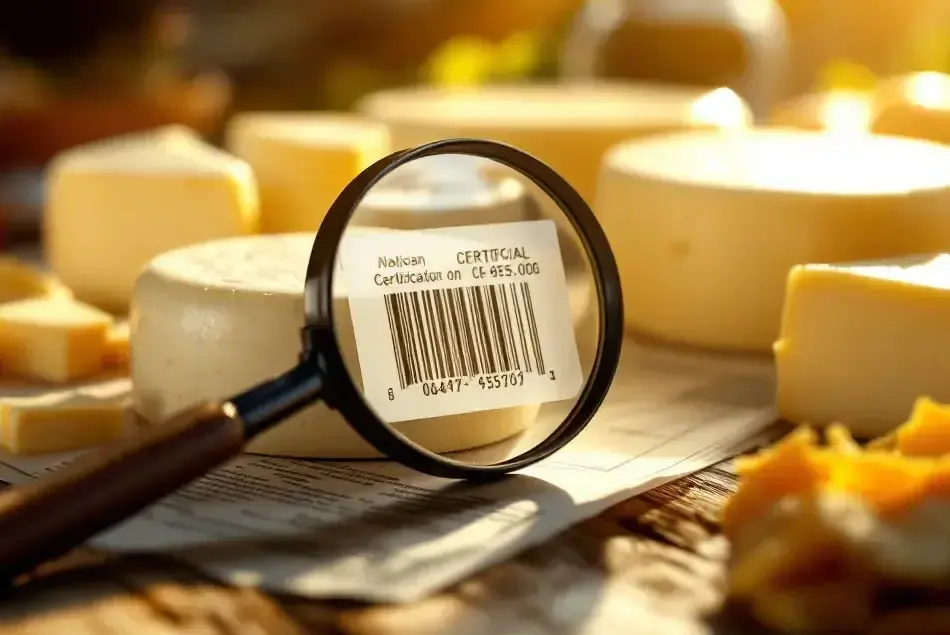
Goat cheese traceability requirements encompass systematic documentation and tracking of products from farm to consumer, ensuring food safety, quality control, and regulatory compliance. These requirements include batch identification, production records, supply chain documentation, and the ability to trace products within four hours during recalls. Understanding and implementing proper traceability systems protects both producers and consumers while meeting international regulatory standards.
What exactly are traceability requirements for goat cheese production?
Traceability requirements for goat cheese production involve comprehensive tracking systems that document every step from milk collection to final distribution. These systems must identify product origins, processing details, and distribution pathways, enabling rapid recalls and quality investigations when needed. The fundamental requirement includes maintaining records that link finished products back to specific milk batches, production dates, and ingredient sources.
Food safety concerns drive these requirements, as goat cheese can pose risks if contaminated during production or storage. Quality control depends on tracking temperature logs, pH levels, and aging conditions throughout the process. Regulatory compliance varies by market but universally demands accurate record-keeping and rapid traceability capabilities.
Basic traceability components include batch identification systems using unique codes for each production run, detailed production records documenting times, temperatures, and personnel involved, and supply chain documentation tracking movement between facilities. Digital systems increasingly replace paper records, offering faster data retrieval and better accuracy. Small producers might use simple spreadsheet systems, while larger operations typically invest in specialised software linking all production stages.
Which regulations govern goat cheese traceability across different markets?
EU Regulation 178/2002 establishes the foundation for European goat cheese traceability, requiring “one step back, one step forward” documentation throughout the supply chain. Producers must identify immediate suppliers and customers, maintaining records for at least five years. The regulation mandates traceability systems capable of providing authorities with complete product histories within four hours of request.
The FDA Food Safety Modernization Act (FSMA) governs US requirements, focusing on preventive controls and supply chain verification. American producers must maintain records showing ingredient sourcing, processing parameters, and distribution details. FSMA particularly emphasises allergen controls and sanitation practices, requiring more detailed documentation than many other markets.
International standards vary significantly, with some countries accepting EU or US compliance as sufficient while others impose additional requirements. Export markets often demand certification proving traceability system effectiveness. Major differences include record retention periods (ranging from two to seven years), language requirements for documentation, and specific data points tracked. Producers serving multiple markets typically implement the most stringent requirements across all operations to ensure universal compliance.
How do you implement an effective traceability system for goat cheese?
Implementing an effective traceability system begins with mapping your entire production flow, from milk reception through packaging and distribution. Start by assigning unique identifiers to each milk collection, linking these codes to supplier information, collection dates, and quality test results. These identifiers follow the product through pasteurisation, culturing, forming, aging, and packaging stages.
Essential documentation practices include maintaining production logs recording temperatures, pH measurements, ingredient additions, and equipment cleaning schedules. Batch coding systems should incorporate production dates, facility codes, and sequential numbers enabling quick identification. Each code must link to comprehensive records showing all inputs, processes, and outputs for that specific batch.
Choosing between manual and automated systems depends on production volume and complexity. Operations producing under 1,000 kg weekly might manage with well-organised paper systems or basic spreadsheets. Larger facilities benefit from integrated software connecting milk reception scales, production equipment, and inventory management. Digital systems reduce human error and speed up recall procedures but require staff training and regular backups. Regardless of system choice, regular testing ensures traceability works when needed most.
What information must be tracked throughout the goat cheese supply chain?
Mandatory tracking begins with animal health records including vaccination schedules, veterinary treatments, and withdrawal periods for any medications. Milk collection data must show exact dates, times, quantities, and quality parameters including bacterial counts, somatic cell counts, and antibiotic test results. Each farm supplying milk requires unique identification linking to location details and certification status.
Production parameters requiring documentation include pasteurisation temperatures and holding times, starter culture types and quantities, rennet additions, salt concentrations, and aging conditions. Ingredient sourcing records must identify all suppliers with batch numbers for cultures, salt, herbs, or other additions. Processing conditions like room temperatures, humidity levels, and equipment cleaning logs form essential parts of the tracking system.
Critical tracking points extend through packaging (materials, dates, operators), storage (temperatures, locations, durations), and distribution (customer details, delivery dates, transport conditions). Record retention requirements typically mandate keeping all documentation for five years minimum, though some markets require longer periods. Records must remain accessible and legible, whether stored physically or digitally, ready for inspection within hours of request.
Why do traceability systems fail and how can you prevent common mistakes?
Traceability systems commonly fail due to incomplete records, particularly when staff skip documentation during busy periods or equipment malfunctions. Broken chain of custody occurs when products move between departments or facilities without proper handover documentation. These gaps make it impossible to track products during recalls, potentially endangering consumers and damaging business reputations.
Inadequate staff training represents another major failure point, especially when employees don’t understand why accurate records matter. Technology gaps, such as incompatible systems between production and warehouse management, create blind spots in tracking. Paper-based systems face risks from illegible handwriting, lost documents, or damage from production area conditions.
Preventing these failures requires regular internal audits checking record completeness and accuracy. Staff education programmes should emphasise how traceability protects both consumers and the business, using real recall scenarios as examples. Backup procedures must exist for system failures, whether keeping duplicate paper records or maintaining offline data copies. Best practices include appointing dedicated traceability coordinators, conducting mock recalls quarterly, and reviewing systems whenever regulations change. Continuous improvement based on audit findings ensures systems remain robust and compliant.
Understanding and implementing comprehensive traceability systems protects your goat cheese business while ensuring consumer safety. Regular system reviews, staff training, and technology updates maintain effectiveness as regulations evolve and markets expand. Whether you’re establishing new systems or improving existing ones, focusing on accuracy, accessibility, and continuous improvement creates the foundation for long-term success. For expert guidance on implementing traceability systems tailored to your specific goat cheese production needs, our team at DeJong Cheese brings decades of experience in meeting international standards while maintaining traditional quality.