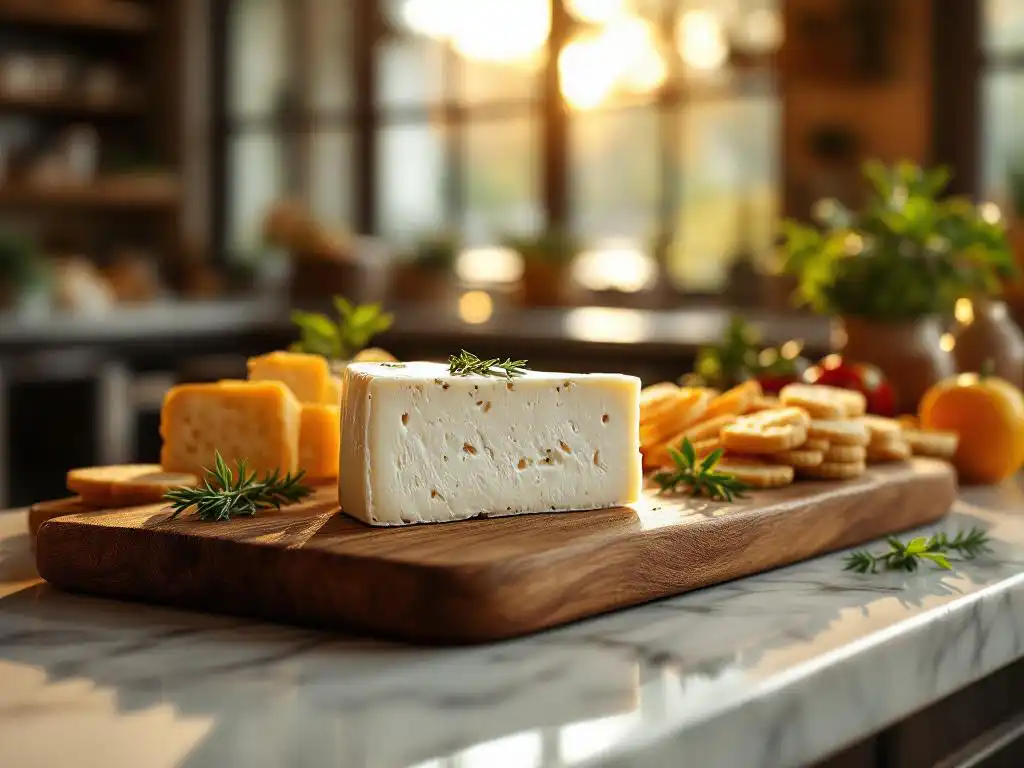
Goat cheese offers unique differentiation opportunities for food manufacturers and B2B clients through its distinctive nutritional profile, premium market positioning, and versatile applications. With lower lactose content, easier digestibility, and a characteristic tangy flavour, goat cheese naturally stands apart from traditional dairy products. This comprehensive guide explores how goat cheese can help businesses create distinctive products, capture premium market segments, and meet growing consumer demand for specialty cheese options.
What makes goat cheese different from other cheese varieties?
Goat cheese contains a fundamentally different protein structure and fat composition compared to cow’s milk cheese. The smaller fat globules and higher proportion of medium-chain fatty acids make it easier to digest, while the lower lactose content appeals to consumers with mild dairy sensitivities. These nutritional differences create natural product differentiation opportunities in the competitive cheese market.
The distinctive flavour profile of goat cheese ranges from mild and creamy in fresh varieties to complex and earthy in aged versions. This tangy, slightly acidic taste comes from the unique fatty acid composition, particularly capric, caprylic, and caproic acids. These compounds create flavour notes that complement both sweet and savoury applications, offering food manufacturers versatility in product development.
Texture variations in goat cheese provide additional differentiation possibilities. Fresh goat cheese offers a smooth, spreadable consistency perfect for dips and fillings. Semi-aged varieties develop a firmer texture suitable for slicing and melting, while aged goat cheeses can achieve complex crystalline structures that rival premium aged cow’s milk cheeses. This range allows manufacturers to select specific textures that enhance their product offerings.
The digestibility advantages of goat cheese extend beyond lactose content. The protein structure forms a softer curd in the stomach, reducing digestive discomfort for many consumers. Additionally, goat milk naturally contains higher levels of certain minerals and vitamins, including calcium, potassium, and vitamin A, creating opportunities for nutritionally enhanced product positioning.
How does goat cheese create premium positioning opportunities?
Goat cheese commands premium pricing in most markets due to its perception as an artisanal, specialty product. Consumers associate goat cheese with quality, craftsmanship, and sophisticated taste preferences. This positioning allows manufacturers to justify higher price points while meeting consumer demand for premium food experiences.
The artisanal story surrounding goat cheese production resonates strongly with modern consumers. Traditional production methods, smaller herd sizes, and careful attention to animal welfare create compelling narratives that support premium branding. Food manufacturers can leverage these associations to elevate their entire product range, positioning items containing goat cheese as gourmet options worth the additional cost.
Health-conscious consumers actively seek goat cheese for its perceived nutritional benefits. The growing awareness of digestive health, combined with interest in alternative dairy options, positions goat cheese as a premium choice for wellness-focused product lines. This health halo effect extends to prepared foods containing goat cheese, allowing manufacturers to target the lucrative health and wellness market segment.
Local sourcing opportunities with goat cheese production support sustainability messaging and farm-to-table positioning. Many goat cheese producers operate smaller, regional operations that align with consumer preferences for local, traceable ingredients. This connection to local agriculture adds authenticity and premium appeal to products featuring goat cheese as a key ingredient.
What innovative applications can goat cheese offer food manufacturers?
Goat cheese excels in ready-meal applications where its melting properties and flavour stability enhance product quality. Fresh goat cheese maintains texture integrity in refrigerated salads and sandwiches, while aged varieties add depth to pizzas and pasta dishes without overwhelming other ingredients. The versatility spans temperature ranges, making it suitable for both hot and cold applications.
Modern food trends favour goat cheese in plant-forward menus, where it serves as a premium protein option. Its strong flavour means smaller portions deliver satisfaction, supporting portion control and cost management. Vegetarian meal kits frequently feature goat cheese as a centrepiece ingredient, capitalising on its ability to transform simple vegetables into gourmet dishes.
Functional benefits in food processing include goat cheese’s natural emulsification properties and stable pH levels. These characteristics make it ideal for sauce applications, where it creates smooth textures without additional stabilisers. The lower melting point compared to many cow’s milk cheeses provides advantages in applications requiring gentle heating or cold preparation methods.
Flavour pairing possibilities with goat cheese extend beyond traditional combinations. Its affinity for honey, nuts, and dried fruits creates opportunities in sweet applications, while its compatibility with herbs, roasted vegetables, and cured meats supports savoury innovations. Food manufacturers can develop unique flavour profiles that differentiate their products in crowded market categories.
Which market segments benefit most from goat cheese differentiation?
Foodservice operations seeking menu distinction find goat cheese invaluable for creating signature dishes. Restaurants use goat cheese to elevate simple salads, create memorable appetisers, and develop unique pizza offerings that command premium prices. The ingredient’s versatility allows chefs to incorporate it across menu categories, from breakfast items to desserts.
Retail chains targeting health-conscious consumers benefit from goat cheese’s nutritional profile and premium positioning. Prepared food departments use goat cheese in deli salads, gourmet sandwiches, and ready-to-heat meals that appeal to time-pressed consumers seeking quality options. The ingredient helps retailers differentiate their private-label offerings from commodity products.
Meal kit companies leverage goat cheese to justify premium pricing and create Instagram-worthy dishes. The photogenic nature of goat cheese, combined with its association with restaurant-quality meals, makes it perfect for subscription services targeting food enthusiasts. Its relatively long shelf life compared to other soft cheeses also supports the meal kit distribution model.
Industrial food processors find goat cheese valuable for creating innovative products that stand out on crowded shelves. From goat cheese-stuffed proteins to premium frozen meals, manufacturers use this ingredient to signal quality and sophistication. The growing consumer familiarity with goat cheese reduces education barriers while maintaining its special-occasion appeal.
How does DeJong Cheese help with product differentiation?
We at DeJong Cheese offer comprehensive solutions for B2B clients seeking to differentiate their products through premium goat cheese. Our Alphenaer brand portfolio includes fresh and aged varieties specifically developed for various applications, from foodservice to industrial processing. With over 25 years of traditional cheese-making expertise, we understand how to create goat cheese products that meet specific manufacturing requirements while maintaining authentic quality.
Our capabilities support your differentiation goals through:
- Custom product development tailored to your specific application needs
- Private-label options that align with your brand positioning
- Flexible packaging formats, from bulk industrial sizes to portion-controlled options
- International food safety certifications ensuring global market access
- Technical support for optimal product integration and shelf-life management
We combine traditional recipes with innovative approaches to help you create products that stand out in competitive markets. Our team works closely with clients to develop unique flavour profiles, textures, and formats that support your differentiation strategy. Whether you need a mild, creamy goat cheese for mass-market appeal or an aged, complex variety for gourmet positioning, we provide solutions backed by decades of expertise.
Ready to explore how our goat cheese can transform your product range? Contact our team to discuss your specific differentiation needs.
Frequently Asked Questions
How can I determine which type of goat cheese works best for my specific manufacturing process?
Start by evaluating your processing requirements including temperature stability, pH tolerance, and desired texture outcomes. Fresh goat cheese works best for cold applications and emulsified products, while aged varieties excel in heated applications requiring melting or browning. Consider conducting small-scale trials with different moisture content levels and ages to identify the optimal variety for your production line.
What are the most common mistakes when incorporating goat cheese into existing product formulations?
The biggest mistake is treating goat cheese like cow’s milk cheese in formulations—it has different melting points, moisture content, and salt levels that affect final product quality. Overheating can cause separation and graininess, while insufficient seasoning adjustment can result in bland products since goat cheese often contains less salt. Always recalibrate recipes to account for goat cheese’s unique properties and conduct shelf-life testing to ensure stability.
How do I calculate the cost-benefit ratio of switching to goat cheese in my products?
Calculate the premium pricing potential by researching competitor products with goat cheese, typically commanding 15-30% higher prices. Factor in the smaller portion sizes needed due to stronger flavour impact, which can offset higher ingredient costs. Consider additional benefits like extended product differentiation lifecycle, access to premium market segments, and reduced competition in specialty categories when evaluating overall ROI.
What packaging considerations are unique to products containing goat cheese?
Goat cheese requires packaging that manages moisture migration more carefully than cow’s milk cheese, especially in mixed-ingredient products. Modified atmosphere packaging (MAP) works particularly well for maintaining quality, while barrier films prevent flavour transfer in multi-component products. Consider transparent packaging elements to showcase the premium goat cheese content, and ensure packaging clearly communicates the differentiation value to justify premium pricing.
How can I effectively market the digestibility benefits without making health claims?
Focus on consumer experience language like ‘gentle on digestion’ or ‘naturally easier to digest’ rather than specific health claims. Highlight the smaller fat globule size and different protein structure as natural characteristics that many consumers find agreeable. Use testimonials and consumer insights about feeling better after eating goat cheese products, and partner with nutritionists or dietitians who can speak to the nutritional differences independently.
What supply chain considerations should I plan for when scaling up goat cheese product lines?
Goat cheese supply chains typically have less flexibility than cow’s milk cheese due to smaller production volumes and seasonal variations in milk availability. Establish relationships with multiple suppliers to ensure consistency, and consider forward contracting during peak production seasons (spring/summer). Plan for 20-30% longer lead times compared to conventional cheese, and maintain buffer inventory for aged varieties that may have limited availability.