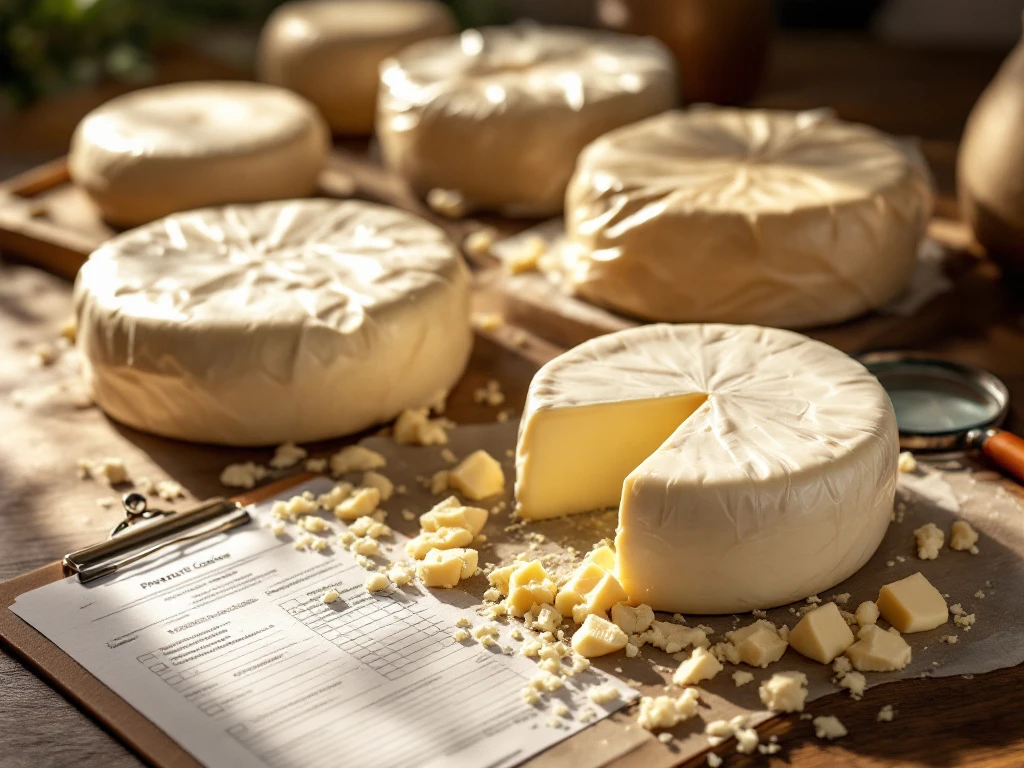
When goat cheese packaging arrives damaged, immediately document everything with photographs, check temperatures, isolate affected products, and notify your supplier within 24 hours to protect your claim rights. Successful damage claims require systematic documentation including detailed photos, batch information, temperature logs, and proper filing procedures. Understanding the claims process helps B2B buyers protect their investment and maintain business continuity when shipment issues occur.
What should you do immediately when goat cheese packaging arrives damaged?
Take immediate action within the first hour of discovering damaged goat cheese packaging. Document the damage with photographs from multiple angles, record the delivery temperature, isolate affected products, and contact your supplier’s quality department. These time-sensitive steps protect your ability to file a successful claim and prevent further product deterioration.
Start by photographing the entire shipment before moving anything. Capture wide shots showing the overall condition of pallets or boxes, then take detailed close-ups of specific damage areas. Include shipping labels, batch codes, and any visible temperature indicators in your photos. This visual evidence becomes crucial for proving the extent and nature of damage during the claims process.
Temperature verification requires immediate attention because goat cheese quality depends on maintaining proper cold chain conditions. Use a calibrated thermometer to check product core temperatures and document readings for multiple units across the shipment. Record ambient trailer temperature if possible. Temperature abuse often causes product degradation even when packaging appears intact.
Critical first-hour checklist:
- Stop unloading and secure the damaged area
- Take comprehensive photographs before moving products
- Check and record temperatures of damaged and undamaged units
- Note the exact time of discovery and delivery
- Contact supplier quality assurance immediately
- Preserve all shipping documents and delivery receipts
- Isolate damaged products in refrigerated storage
Supplier notification should happen within 24 hours maximum, but immediate contact yields better results. When calling, have your purchase order number, delivery details, and initial damage assessment ready. Many suppliers have specific claim procedures that must be followed precisely. Request a claim number and written confirmation of your report during this initial contact.
How do you document goat cheese damage for successful claims?
Proper documentation for goat cheese damage claims requires systematic collection of photographic evidence, written descriptions, product identification details, temperature records, and delivery documents. Create a comprehensive claim file organizing all materials chronologically. Digital documentation with cloud backup ensures nothing gets lost during the lengthy claims process.
Photography forms the foundation of damage documentation. Take photos showing the shipment’s arrival condition, including the delivery vehicle, overall pallet condition, and individual case damage. Capture images from multiple angles showing packaging integrity, product condition, and any visible contamination or temperature abuse. Include a ruler or common object for scale reference in close-up shots.
Essential documentation components include:
- Delivery receipt with driver signature and noted exceptions
- Bill of lading showing shipment origin and routing
- Product batch numbers and production dates from labels
- Temperature logs from data loggers if available
- Written damage description detailing extent and type
- Witness statements from receiving personnel
- Weight documentation for partial losses
Written descriptions should detail the damage type, affected quantity, and potential cause. Note specific observations like torn packaging, crushed boxes, moisture damage, or temperature abuse signs. Include the percentage of shipment affected and whether damage appears to result from handling, temperature, or packaging failure.
Batch identification proves critical for traceability and determining liability. Record all batch codes, production dates, and best-by dates visible on damaged products. This information helps suppliers track production issues and validates product age at time of damage. Cross-reference batch numbers with your purchase orders to verify the shipment matches your original order.
Digital organization streamlines claim submission. Create folders organized by claim number containing all photos, documents, and correspondence. Use clear file naming conventions including date and description. Maintain backup copies on cloud storage to prevent data loss. This systematic approach demonstrates professionalism and speeds claim resolution.
What are the most common causes of goat cheese packaging damage?
Temperature fluctuations during transport cause the most goat cheese packaging damage, followed by improper handling, inadequate packaging materials, moisture exposure, compression from poor stacking, and excessive vibration. Understanding these common causes helps prevent future damage and strengthens your position when filing claims by demonstrating knowledge of proper handling requirements.
Temperature abuse occurs when refrigerated trucks lose power, experience equipment failure, or face delays that extend transit time. Goat cheese requires consistent temperatures between 2-4°C throughout transport. Temperature spikes cause condensation inside packaging, leading to moisture damage and accelerated spoilage. Even brief temperature excursions can compromise product quality and packaging integrity.
Handling damage results from dropped pallets, forklift punctures, and rough treatment during loading or unloading. Goat cheese’s soft texture makes it particularly vulnerable to compression and impact damage. Inadequate packaging that lacks sufficient cushioning or structural support exacerbates handling damage. Cases stacked too high or without proper support often collapse under weight pressure.
Moisture infiltration destroys packaging and creates food safety risks. Sources include condensation from temperature changes, leaking refrigeration units, and damaged truck seals allowing rain entry. Wet corrugated boxes lose structural integrity rapidly, leading to catastrophic failure. Moisture also promotes mold growth and compromises product safety.
Vibration damage accumulates during long-distance transport, especially on rough roads. Constant movement causes packaging materials to wear and fail at stress points. Products shift within containers, creating impact damage as items collide. Proper packaging design with adequate void fill and cushioning materials minimizes vibration effects.
Preventing these common damage causes requires collaboration between suppliers and buyers. Specify packaging requirements in purchase contracts, including material strength, moisture barriers, and temperature indicators. Request data loggers for high-value shipments to monitor conditions throughout transport. Understanding damage patterns helps identify problematic carriers or routes requiring intervention.
Who is responsible for damaged goat cheese during shipping?
Responsibility for damaged goat cheese depends on shipping terms specified in your purchase contract, with liability shifting at different points under FOB, CIF, or DDP arrangements. Generally, sellers bear responsibility until the agreed transfer point, carriers assume liability during transport under their care, and buyers become responsible after accepting delivery. Insurance coverage and contractual agreements further define specific responsibilities.
FOB (Free On Board) terms transfer responsibility when goods leave the supplier’s facility. Under FOB origin, buyers assume risk once products load onto the first carrier. This means damage occurring during transport becomes the buyer’s responsibility to pursue with the carrier. FOB destination keeps supplier liability until delivery completion at the buyer’s location.
Carrier liability operates under specific regulations and contract terms. Common carriers must exercise reasonable care but aren’t absolute insurers against all damage. They’re typically liable for damage resulting from negligence but not “acts of God” or inherent product characteristics. Carriers may limit liability through released value rates unless buyers purchase additional coverage.
Third-party logistics providers complicate responsibility determination. When suppliers use freight forwarders or 3PL companies, multiple parties handle the shipment. Each handoff point represents a potential liability transfer. Clear documentation at each stage becomes essential for establishing when and where damage occurred.
Insurance coverage varies significantly between policies. Some protect only against total loss, while others cover partial damage. Temperature abuse coverage often requires additional premiums. Review policy exclusions carefully, as many standard policies exclude spoilage or temperature-related losses. Understand deductibles and coverage limits before damage occurs.
Purchase contracts should clearly define damage claim procedures and responsibility allocation. Include specific requirements for packaging standards, temperature maintenance, and delivery conditions. Address how parties will handle disputes and specify time limits for claim filing. Well-drafted contracts prevent confusion when damage occurs and expedite claim resolution.
How long does the goat cheese damage claim process typically take?
Goat cheese damage claims typically require 30-60 days for resolution, though complex cases involving multiple parties or disputed liability can extend to 90-120 days. Simple claims with clear documentation and cooperative suppliers may settle within 2-3 weeks. Processing speed depends on documentation quality, claim complexity, insurance involvement, and supplier responsiveness to expedite resolution.
Initial claim acknowledgment should occur within 48-72 hours of filing. During this phase, suppliers review basic documentation and assign claim numbers. They may request additional information or clarification about damage extent. Quick response to these requests prevents delays. Some suppliers offer expedited processing for established customers with strong relationships.
Investigation phases consume the most time, typically lasting 2-4 weeks. Suppliers verify documentation, review temperature logs, and may request product samples for testing. Insurance adjusters might inspect damaged goods if claims exceed certain thresholds. During investigation, maintain damaged products in proper storage conditions as evidence.
Factors affecting timeline include:
- Documentation completeness at initial filing
- Claim value and complexity
- Need for third-party testing or inspection
- Carrier investigation requirements
- Insurance company processing procedures
- Dispute resolution if liability is contested
- Payment processing after approval
Business continuity during claims requires planning. Maintain safety stock to cover potential delays in claim resolution. Negotiate partial shipment replacements while claims process. Some suppliers offer immediate credit for documented damage with later reconciliation. Build strong supplier relationships that facilitate quick resolution during disputes.
Expediting claims requires proactive communication and complete documentation. Submit all required materials with initial filing to avoid back-and-forth requests. Follow up weekly for status updates without being aggressive. Escalate to management if claims stall unreasonably. Consider accepting partial settlements for clear-cut portions while negotiating disputed amounts. Understanding typical timelines helps set realistic expectations and plan accordingly for business operations.
Successfully managing goat cheese packaging damage claims protects your investment and maintains supply chain reliability. Quick action, thorough documentation, and understanding the claims process ensure fair resolution. As specialists in traditional goat cheese production, we understand the importance of product integrity throughout the supply chain and support our B2B partners with reliable quality and responsive service when issues arise.