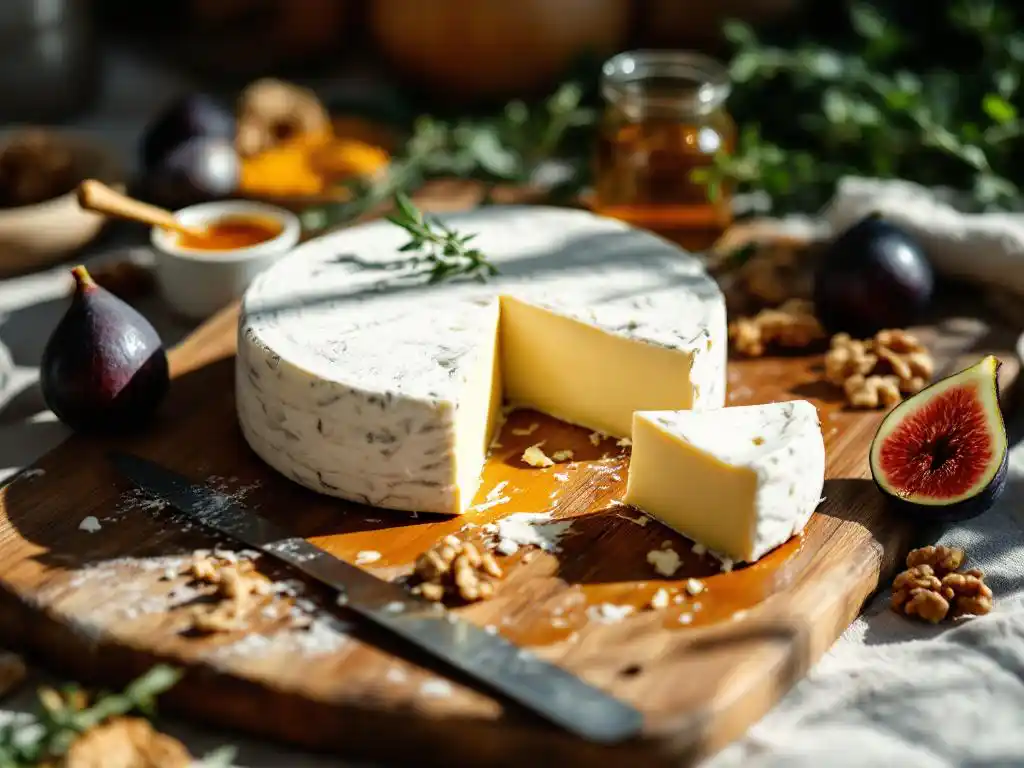
Goat cheese enables unique flavour combinations through its distinctive tangy profile, creamy texture, and mild acidity, which complement both sweet and savoury ingredients. Unlike cow’s milk cheeses, goat cheese contains smaller fat molecules and different protein structures that create a lighter, more versatile base for culinary creativity. This adaptability makes goat cheese an ideal ingredient for innovative pairings, from classic combinations with honey and herbs to modern fusion dishes and molecular gastronomy applications.
What makes goat cheese different from other cheeses in flavour combinations?
Goat cheese possesses a unique chemical composition that sets it apart from other cheeses in flavour pairings. The smaller fat globules and different casein protein structures create a distinctive tangy, bright flavour with a smooth, spreadable texture that acts as a perfect canvas for both contrasting and complementary ingredients.
The natural acidity in goat cheese comes from capric, caprylic, and caproic acids, which are present in higher concentrations than in cow’s milk. This acidity provides a refreshing counterpoint to rich, sweet, or earthy flavours, making it exceptionally versatile in culinary applications. The cheese’s clean finish does not linger on the palate like aged cow’s milk cheeses, allowing other flavours to shine through.
Fresh goat cheese offers a mild, creamy base that readily absorbs and enhances surrounding flavours. Its texture ranges from light and fluffy to dense and creamy, depending on processing methods. This textural flexibility means it can be crumbled over salads, whipped into mousses, or melted into sauces without overwhelming other ingredients. The protein structure also makes it easier to digest for many people, expanding its use across various dietary preferences.
Which ingredients pair best with goat cheese for unique flavours?
Classic pairings with goat cheese include sweet fruits like figs, pears, and berries, which balance the cheese’s tanginess with natural sugars. Nuts such as walnuts, pistachios, and almonds add textural contrast, while their earthy flavours complement the cheese’s brightness. Fresh herbs like thyme, rosemary, and basil enhance the cheese’s natural complexity without masking its character.
Unexpected combinations have emerged as chefs explore goat cheese’s versatility. Honey and lavender create an aromatic sweetness that elevates the cheese’s creamy texture. Roasted beets provide earthy sweetness and vibrant colour contrast. Dark chocolate, particularly varieties with 70% cacao or higher, creates an intriguing bittersweet combination that highlights the cheese’s subtle notes.
Savoury pairings work equally well, with caramelised onions adding deep sweetness, sun-dried tomatoes contributing umami richness, and olives providing briny contrast. Citrus zest brightens the cheese’s natural tang, while pepper and chilli add warmth without overwhelming it. These combinations work because they either contrast with or amplify specific flavour compounds in the cheese, creating balanced, memorable dishes.
How does the aging process affect goat cheese flavour combinations?
Fresh goat cheese, aged for less than two weeks, offers mild, creamy flavours that pair beautifully with delicate ingredients like fresh berries, light herbs, and crisp vegetables. The soft texture and subtle tang make it ideal for spreading, whipping, or crumbling, allowing it to blend seamlessly with light vinaigrettes, fruit compotes, or herb oils.
As goat cheese ages, it develops more complex flavours and firmer textures that stand up to bolder pairings. Semi-aged varieties (2–8 weeks) develop nutty undertones and a slightly crumbly texture, pairing well with roasted vegetables, cured meats, and fuller-bodied wines. The developing rind adds earthy notes that complement mushrooms, truffle oil, and aged balsamic vinegar.
Aged goat cheeses (over 2 months) acquire sharp, complex flavours with crystalline textures similar to aged cheddars. These mature cheeses pair excellently with robust ingredients like caramelised walnuts, port-soaked figs, or spiced chutneys. The intensity of aged varieties means they work best with equally strong flavours, creating sophisticated combinations for cheese boards or gourmet cooking applications.
What are the most innovative goat cheese flavour combinations in modern cuisine?
Contemporary chefs are pushing boundaries with goat cheese in unexpected applications like ice creams, where its tanginess creates refreshing frozen desserts. Goat cheese gelato paired with honeycomb or salted caramel showcases how the cheese’s natural acidity balances sweetness while adding creamy richness without the heaviness of traditional dairy bases.
Fusion cuisine has embraced goat cheese in innovative ways. Asian-inspired combinations include goat cheese wontons with sweet chilli sauce or sushi rolls featuring goat cheese with pickled vegetables. Mediterranean–Asian fusion sees goat cheese paired with miso, creating umami-rich sauces for grilled vegetables. Latin American influences combine goat cheese with tropical fruits like passion fruit or mango, often incorporating chilli for complex sweet-heat profiles.
Molecular gastronomy techniques transform goat cheese into foams, spheres, and gels, allowing chefs to deconstruct and reimagine traditional pairings. Goat cheese foam atop beetroot carpaccio, or goat cheese pearls in gazpacho, demonstrates how modern techniques can highlight the cheese’s essential flavours while creating new textural experiences. These innovations respect traditional flavour principles while presenting them in contemporary formats.
How can you create balanced flavour profiles with goat cheese?
Creating balanced dishes with goat cheese requires understanding its role as either a focal point or a supporting element. When featuring goat cheese prominently, pair it with ingredients that provide textural contrast and complementary flavours without competing. Balance the cheese’s tanginess with sweet elements, its creaminess with crunchy components, and its richness with acidic touches from citrus or vinegar.
Temperature contrasts enhance goat cheese dishes significantly. Warm goat cheese on cool salads creates textural interest, while room-temperature cheese on hot dishes melts slightly without losing character. Portion control is essential: too much goat cheese can overwhelm, while too little gets lost among other flavours. Generally, 30–60 grams per serving provide enough presence without domination.
Seasoning goat cheese dishes requires restraint to preserve the cheese’s natural character. Fresh herbs, cracked pepper, and quality olive oil enhance without masking it. When incorporating goat cheese into cooked dishes, add it towards the end to maintain texture and prevent separation. Building layers of flavour through complementary ingredients creates more sophisticated results than relying on heavy seasoning.
How DeJong Cheese helps with unique flavour combinations
DeJong Cheese enables culinary innovation through our extensive range of fresh and aged goat cheese varieties, each crafted to provide consistent quality for professional applications. Our expertise in traditional cheese-making, combined with modern production capabilities, ensures B2B customers receive products that deliver reliable flavour profiles for their unique culinary creations.
We support foodservice professionals and industry partners with:
- Custom product development for specific flavour profiles and applications
- Bulk packaging options designed for efficient kitchen operations
- Technical support for recipe development and flavour-pairing guidance
- Consistent quality that ensures predictable results in professional kitchens
- Flexible production capabilities for private-label opportunities
Our fresh goat cheeses provide the perfect base for innovative combinations, while our aged varieties offer complex flavours for sophisticated applications. Whether you’re developing new menu items, creating signature products, or seeking reliable ingredients for large-scale production, our team works closely with B2B partners to deliver solutions that meet specific needs.
Ready to explore unique flavour possibilities with premium goat cheese? Contact our team to discuss custom solutions for your business and discover our complete product range for professional applications.
Frequently Asked Questions
What temperature should goat cheese be served at for optimal flavour pairings?
For most applications, goat cheese should be served at room temperature (18-22°C) to fully express its flavours and achieve the ideal spreadable texture. Remove it from refrigeration 30-45 minutes before serving for cheese boards, or 15 minutes before incorporating into warm dishes. Cold goat cheese can be crumbled more easily for salads, while slightly warmed cheese melts beautifully into sauces without separating.
How do I prevent goat cheese from overpowering delicate ingredients in my dishes?
Start with smaller portions (15-20g per serving) and build up gradually, tasting as you go. Mix goat cheese with neutral ingredients like cream cheese or Greek yogurt to mellow its intensity while maintaining its characteristic tang. For delicate pairings, use fresh goat cheese rather than aged varieties, and consider incorporating it as a finishing touch rather than cooking it into the dish.
Which wines pair best with goat cheese combinations, and why?
Crisp white wines like Sauvignon Blanc and Sancerre complement goat cheese perfectly due to their matching acidity and citrus notes. For fruit-forward goat cheese pairings, try Riesling or Gewürztraminer. With aged goat cheeses or robust flavour combinations, light-bodied red wines like Pinot Noir work well. The key is matching the wine’s acidity to the cheese’s tanginess while considering the intensity of accompanying ingredients.
Can I substitute goat cheese for other cheeses in recipes, and what adjustments should I make?
Yes, but adjustments are necessary due to goat cheese’s higher moisture content and different melting properties. When substituting for cream cheese, use 10-15% less goat cheese to account for its stronger flavour. For ricotta substitutions, drain fresh goat cheese slightly to reduce moisture. In baked dishes, goat cheese browns faster than cow’s milk cheese, so reduce temperature by 10-15°C or cover with foil during the final cooking stages.
What are common mistakes when creating goat cheese flavour combinations?
The most frequent error is using cold goat cheese straight from the fridge, which mutes flavours and creates unpleasant texture. Over-seasoning is another mistake – goat cheese needs minimal enhancement. Pairing it with too many competing strong flavours (like multiple aged cheeses or intense spices) creates confusion rather than harmony. Finally, using low-quality or old goat cheese that has developed off-flavours will ruin even the best flavour combinations.
How long can prepared goat cheese combinations be stored, and how should they be packaged?
Fresh goat cheese preparations like herbed spreads or fruit-topped varieties stay fresh for 3-5 days when stored in airtight containers in the refrigerator. Vacuum-sealed portions extend this to 7-10 days. For best results, store flavoured goat cheese separately from strong aromatics and add delicate garnishes just before serving. Frozen goat cheese combinations lose their texture, so prepare only what you’ll use within the storage window.