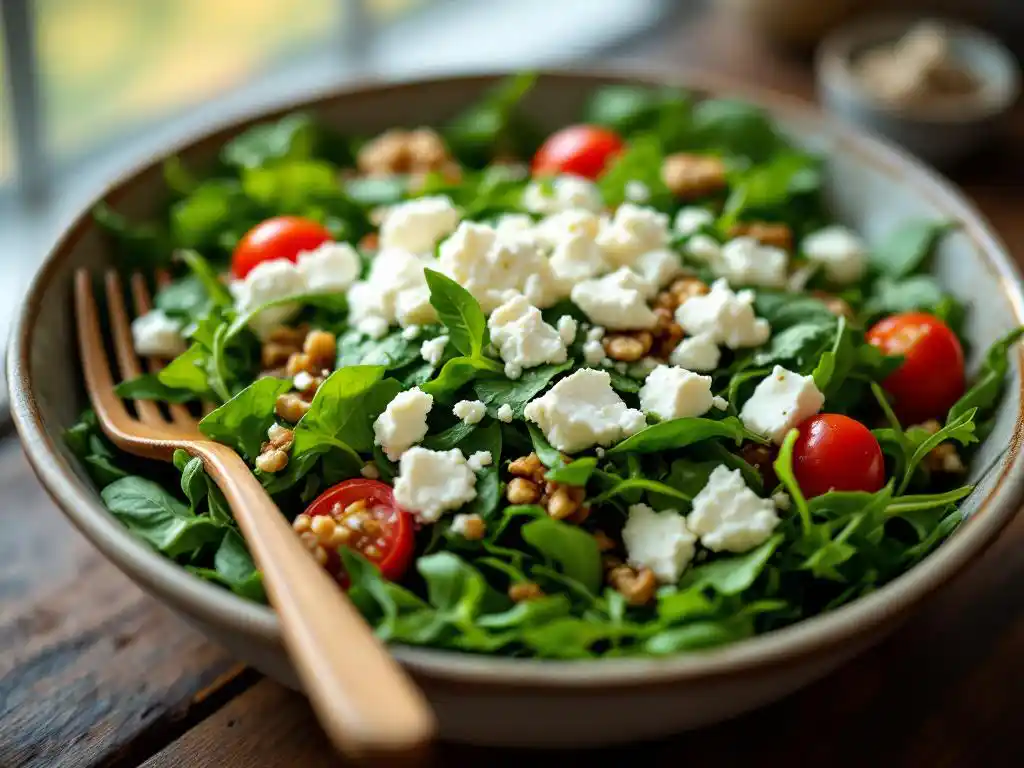
Goat cheese transforms commercial meal salad production by offering unique textural properties, enhanced nutritional profiles, and operational advantages that traditional cheeses cannot match. Its creamy consistency maintains quality during storage, while its distinctive tangy flavour creates memorable salad experiences that consumers actively seek. Food manufacturers find that incorporating goat cheese not only elevates product quality but also addresses growing demand for premium, health-conscious meal options.
What makes goat cheese ideal for commercial meal salad production?
Goat cheese possesses exceptional characteristics that make it ideal for large-scale salad manufacturing. Its naturally creamy texture remains stable throughout production processes, while its tangy flavour profile complements both Mediterranean and contemporary salad varieties. The cheese maintains quality during extended storage periods, reducing waste and ensuring consistent product excellence from production to consumption.
The unique protein structure in goat cheese creates a smoother, more spreadable consistency that distributes evenly throughout salads without clumping or separating. This property proves invaluable during mechanical mixing processes, where traditional cheeses might break down or become grainy. The smaller fat globules in goat cheese also contribute to its superior texture retention, preventing the oily separation common with other cheese varieties in pre-packaged salads.
Temperature stability represents another crucial advantage for commercial producers. Goat cheese maintains its appealing texture across the cold chain, from production facilities through distribution centres to retail displays. This resilience ensures that consumers experience the intended product quality regardless of when they purchase or consume the salad. The cheese’s natural acidity also acts as a flavour enhancer, reducing the need for additional seasonings or preservatives in salad formulations.
How does goat cheese improve the nutritional profile of meal salads?
Goat cheese significantly enhances the nutritional value of commercial salads through its superior digestibility and comprehensive nutrient profile. It contains higher levels of medium-chain fatty acids compared to cow’s milk cheese, which the body processes more efficiently. The naturally lower lactose content makes goat cheese accessible to a broader consumer base, including those with mild lactose sensitivities who seek nutritious prepared meal options.
The protein quality in goat cheese stands out for commercial applications. Each serving provides complete proteins with all essential amino acids, supporting the growing consumer demand for high-protein meal solutions. The bioavailability of minerals such as calcium, phosphorus, and magnesium exceeds that found in many other cheese varieties, offering genuine nutritional benefits that resonate with health-conscious consumers.
Vitamin content further distinguishes goat cheese in the prepared salad market. It naturally contains higher concentrations of vitamin A, riboflavin, and niacin compared to standard cheese options. These nutrients remain stable throughout the shelf life of pre-packaged salads, ensuring consumers receive the advertised nutritional benefits. The presence of beneficial fatty acids, including conjugated linoleic acid (CLA), adds another layer of health appeal that manufacturers can highlight in their marketing efforts.
What are the cost and operational benefits of using goat cheese in salad production?
Goat cheese delivers substantial economic advantages for food manufacturers through improved portion control and reduced waste. Its concentrated flavour means smaller quantities achieve the desired taste impact, optimising ingredient costs while maintaining product quality. The extended shelf life of goat cheese in commercial applications reduces product loss and improves inventory management efficiency across the supply chain.
Premium positioning opportunities create additional value for manufacturers. Consumers perceive goat cheese as a sophisticated, artisanal ingredient worth paying more for, allowing producers to command higher price points for their salad offerings. This perception translates directly into improved profit margins without requiring significant changes to production processes or equipment.
Operational efficiencies emerge through the versatility of goat cheese across different salad applications. The same base product works effectively in Mediterranean bowls, grain salads, green salads, and protein-focused options, simplifying inventory management and reducing SKU complexity. Production line flexibility improves when using goat cheese, as its consistent handling properties eliminate the need for recipe adjustments based on seasonal variations or supplier changes. The cheese’s natural antimicrobial properties also contribute to food safety protocols, potentially extending product shelf life without additional preservatives.
Which types of goat cheese work best for different meal salad applications?
Fresh, crumbled goat cheese excels in Mediterranean and garden salads where distinct textural contrast matters. This format maintains individual cheese pieces throughout mixing and packaging, providing visual appeal and flavour bursts in every bite. Fresh varieties work particularly well in salads featuring robust greens, roasted vegetables, or grain bases that benefit from creamy textural elements.
Aged goat cheese varieties offer sophisticated flavour profiles for gourmet salad lines. These firmer cheeses can be cubed or shaved, maintaining their shape during production while contributing complex, nutty flavours that develop during ageing. Semi-aged options provide an ideal middle ground, offering both spreadability and structure for versatile application across multiple salad types.
Whipped or spreadable goat cheese formats revolutionise creamy salad applications. These preparations incorporate easily into dressings or serve as flavourful bases for grain bowls and pasta salads. The smooth consistency ensures even distribution throughout the product, eliminating pockets of plain ingredients while maximising flavour impact. Storage requirements vary by format, with fresh varieties requiring careful temperature control, while aged options demonstrate greater stability. Understanding these characteristics enables manufacturers to select the optimal goat cheese type for their specific production requirements and target market preferences.
How does DeJong Cheese support meal salad producers with goat cheese solutions?
We at DeJong Cheese understand the unique challenges meal salad producers face when incorporating premium cheese ingredients. Our comprehensive support system addresses every aspect of goat cheese integration, from initial product selection through to final implementation. We offer:
- Bulk packaging formats designed specifically for high-volume salad production lines
- Consistent quality standards backed by international food safety certifications
- Custom product development to match your specific flavour profiles and texture requirements
- Flexible ordering systems that adapt to seasonal demand fluctuations
- Technical support from our experienced team for optimal product integration
- Private label opportunities to strengthen your brand positioning
Our traditional craftsmanship, combined with modern production capabilities, ensures a reliable supply of premium goat cheese products that meet the demanding requirements of commercial food manufacturing. We maintain the highest food safety standards while preserving the artisanal quality that makes our goat cheese exceptional.
Ready to elevate your meal salad offerings with premium goat cheese solutions? Contact our team to discuss your specific requirements and discover how our expertise can enhance your product line. Explore our complete range of foodservice products or find local sales points to experience our quality firsthand.
Frequently Asked Questions
What's the best way to prevent goat cheese from clumping during mechanical mixing in salad production?
Pre-chilling goat cheese to 2-4°C before adding it to the mixing process helps maintain its structure, while using paddle mixers at low speeds (60-80 RPM) prevents excessive breakdown. For optimal distribution, add goat cheese during the final 30 seconds of mixing and consider using a multi-stage addition process where half is incorporated early for flavour distribution and half added at the end for textural variety.
How can I calculate the right portion size of goat cheese for my salad recipes to balance cost and flavour?
Start with 15-20 grams of goat cheese per 200-gram salad serving as a baseline, then adjust based on your other ingredients’ intensity and target price point. Conduct sensory testing at 5-gram intervals to find the minimum amount that delivers noticeable flavour impact, as goat cheese’s concentrated taste often allows for smaller portions than traditional cheeses while maintaining consumer satisfaction.
What packaging materials work best for maintaining goat cheese quality in pre-packaged salads?
Modified atmosphere packaging (MAP) with 30-40% CO2 and 60-70% N2 provides optimal preservation for salads containing goat cheese, while compartmentalised containers that separate the cheese until consumption prevent moisture migration. High-barrier films with anti-fog properties maintain visual appeal, and using separate sachets for goat cheese in premium lines allows consumers to control the amount added while extending overall shelf life.
How do I handle seasonal variations in goat cheese availability and pricing for consistent production?
Establish contracts with multiple suppliers across different regions to ensure year-round availability, and consider freezing crumbled goat cheese during peak season (April-October) for use during winter months when supply typically decreases. Build a 10-15% price fluctuation buffer into your costing model and explore shelf-stable goat cheese alternatives for backup supply, though these may require recipe adjustments.
What are the most common mistakes when scaling up goat cheese salad production from test kitchen to commercial line?
The biggest mistakes include not accounting for goat cheese’s temperature sensitivity during extended production runs, using the same mixing parameters as harder cheeses, and underestimating the impact of distribution time on texture. Additionally, many producers fail to adjust seasoning levels to compensate for goat cheese’s natural saltiness, resulting in over-seasoned products when scaling recipes designed for milder cheeses.
Which food safety considerations are specific to using goat cheese in ready-to-eat salads?
Monitor pH levels carefully as goat cheese’s natural acidity (pH 4.5-5.5) can interact with acidic dressings to create environments that affect shelf life, and implement strict temperature controls during cheese preparation areas (maximum 5°C). Establish separate handling protocols for unpasteurised artisan varieties if used, conduct regular Listeria testing specifically on cheese contact surfaces, and ensure staff training emphasises the importance of preventing cross-contamination between cheese and raw vegetables.
Related Articles
- How do you prevent quality issues with goat cheese curd in ready-to-eat meals?
- How do you create a longlist of goat cheese producers for the food industry?
- How do you calculate the cost price of goat cheese crumbles per unit of final product?
- What makes premium goat cheese worth the investment?
- What are shelf-life testing protocols for goat cheese?