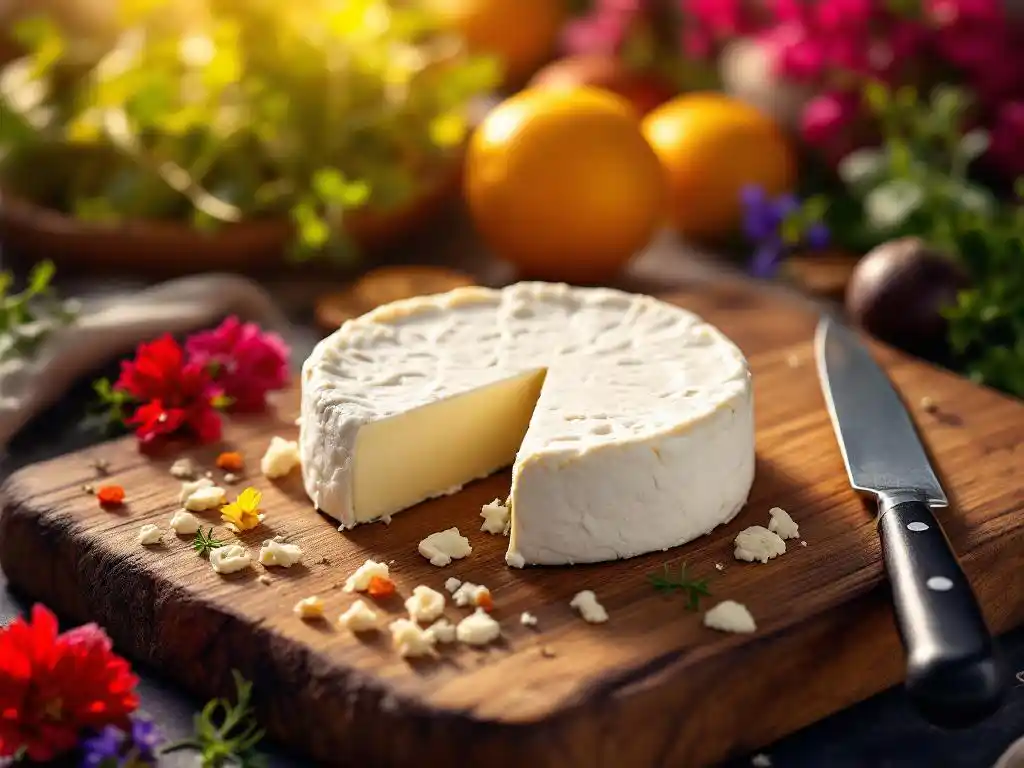
Goat cheese is emerging as a key ingredient in modern food product development, perfectly aligning with today’s consumer demands for healthier, artisanal, clean-label products. Its unique nutritional profile, digestibility advantages, and versatile flavour characteristics make it ideal for innovative applications across meal kits, plant-based hybrids, gourmet convenience foods, and premium snack categories. Food manufacturers are discovering how goat cheese can elevate their products while meeting the growing demand for authentic, sustainable ingredients.
What makes goat cheese perfect for today’s food trends?
Goat cheese naturally fits current food trends through its exceptional nutritional benefits and clean-label appeal. It contains easier-to-digest proteins, lower lactose content, and medium-chain fatty acids that align with health-conscious consumer preferences. The artisanal nature of goat cheese production resonates with consumers seeking authentic, minimally processed foods.
The digestibility advantages of goat cheese stem from its smaller fat globules and different protein structure compared to cow’s milk cheese. This makes it suitable for consumers with mild lactose sensitivities and those following gut-health-focused diets. Additionally, goat cheese naturally contains higher levels of certain nutrients, including vitamin A, calcium, and beneficial fatty acids.
Clean-label trends favour goat cheese because it typically requires fewer additives and processing aids. Its natural tangy flavour profile eliminates the need for artificial flavour enhancers, while its creamy texture works well in both hot and cold applications. This versatility allows manufacturers to create products that meet multiple trend requirements simultaneously.
The plant-forward movement has embraced goat cheese as a premium dairy option that complements vegetable-based dishes without overwhelming them. Its distinctive yet mild flavour enhances salads, grain bowls, and vegetable-based prepared meals, making it perfect for flexitarian product development.
Which trending food products are using goat cheese innovatively?
Innovative food manufacturers are incorporating goat cheese into plant-based hybrid products, functional foods, and gourmet convenience items. Meal kit companies feature goat cheese in Mediterranean-inspired recipes, while ready-to-eat salad producers use it as a premium topping. International fusion products combine goat cheese with global flavours, creating unique taste experiences.
Plant-based hybrid products represent a growing category where goat cheese adds protein and creaminess to vegetable-forward items. Examples include cauliflower-crust pizzas topped with goat cheese, plant-based pasta dishes with goat cheese sauces, and veggie burgers featuring goat cheese as a gourmet element. These products appeal to flexitarians seeking reduced meat consumption without sacrificing flavour or satisfaction.
In the functional food space, manufacturers are developing goat cheese-based products fortified with probiotics, omega-3 fatty acids, or additional proteins. Snack manufacturers create portion-controlled goat cheese bites paired with nuts and dried fruits for convenient, nutritious options. Energy bars incorporating goat cheese powder provide sustained protein release for active consumers.
Premium convenience foods showcase goat cheese in sophisticated applications:
- Artisanal flatbreads with goat cheese and seasonal vegetables
- Gourmet mac and cheese variations using aged goat cheeses
- Ready-to-heat soups featuring goat cheese for creaminess
- Pre-portioned cheese boards with flavoured goat cheese varieties
- Frozen appetizers combining goat cheese with herbs and spices
How do you develop trend-driven products with goat cheese?
Developing successful goat cheese products requires understanding consumer insights, optimising formulations for stability, and selecting appropriate cheese varieties for each application. Start by analysing target market preferences and identifying flavour profiles that complement goat cheese’s natural tanginess. Consider texture requirements, melting properties, and shelf-life needs during the development process.
The formulation process begins with selecting the right goat cheese type. Fresh goat cheese works well in cold applications and provides moisture to baked goods. Aged varieties offer complex flavours for gourmet products, while crumbled formats provide convenience for salad toppings and ready meals. Understanding these characteristics helps create products that maintain quality throughout their shelf life.
Technical considerations for goat cheese product development include:
- pH stability to prevent texture changes during storage
- Moisture management to maintain product quality
- Fat content optimisation for the desired mouthfeel
- Flavour pairing to enhance rather than mask goat cheese notes
- Processing temperature control to preserve nutritional benefits
Successful flavour pairings enhance goat cheese’s appeal in trendy products. Honey, figs, and nuts create sweet-savoury combinations popular in premium snacks. Herbs like thyme, rosemary, and basil complement goat cheese in Mediterranean-inspired items. Citrus elements brighten the cheese’s flavour in salads and light meals. Understanding these synergies helps developers create balanced, appealing products.
Texture optimisation requires careful attention to processing conditions. Goat cheese can become grainy when overheated or mixed improperly. Stabilisers may be needed for certain applications, though minimal processing aligns better with clean-label trends. Testing various formulations under different storage conditions ensures consistent quality.
What are the biggest challenges when working with goat cheese in trendy products?
The main challenges in goat cheese product development include managing its distinctive flavour profile, addressing cost considerations, ensuring supply chain reliability, and overcoming consumer perception barriers. Technical formulation issues such as texture stability and melting properties require specific expertise. Understanding these challenges helps manufacturers develop strategies for successful product launches.
Flavour management represents a primary concern, as goat cheese’s tangy notes can intensify during storage or dominate other ingredients. Some consumers find the flavour too strong, requiring careful balance in product formulations. Mild varieties or blending with cow’s milk cheese can moderate intensity while maintaining goat cheese’s beneficial properties.
Cost considerations affect product positioning and profitability. Goat cheese typically costs more than cow’s milk cheese due to smaller production scales and specialised farming requirements. This price premium requires strategic positioning as a gourmet or health-focused ingredient to justify higher retail prices.
Supply chain challenges include:
- Seasonal variations in milk production affecting availability
- Limited numbers of qualified suppliers for specific varieties
- Longer lead times for custom formulations
- Quality consistency across different batches
- International sourcing complexities for specialty varieties
Consumer perception barriers stem from unfamiliarity with goat cheese or previous negative experiences with poor-quality products. Education through packaging, marketing materials, and product sampling helps overcome these barriers. Highlighting health benefits and artisanal qualities appeals to trend-conscious consumers.
Technical formulation solutions address common challenges. Using encapsulation technology protects goat cheese flavour during processing. Selecting appropriate stabilisers maintains texture without compromising clean-label goals. Working with experienced suppliers who understand these technical aspects ensures better product outcomes.
How does DeJong Cheese help with trend-driven goat cheese products?
We specialise in developing innovative goat cheese solutions that help B2B clients capitalise on current food trends. Our expertise in fresh and aged goat cheese varieties, combined with flexible production capabilities, enables us to create custom formulations that meet specific product requirements. Through our Alphenaer brand and private-label services, we support manufacturers in launching successful trend-driven products.
Our comprehensive support includes:
- Custom formulation services – We develop unique goat cheese blends tailored to your product specifications
- Bulk packaging options – Various formats from 1kg blocks to 10kg industrial packaging for processing efficiency
- Private-label capabilities – Complete branding solutions for your goat cheese products
- Technical expertise – Guidance on stability, shelf life, and processing requirements
- International certifications – Highest food safety standards for global market access
- Flexible production – Small-batch capabilities for product testing and seasonal items
Our traditional craftsmanship since 1995 combines with modern innovation to deliver goat cheese products that meet today’s trends. We understand the challenges of product development and provide hands-on support throughout the process. From initial concept to full-scale production, our team ensures consistent quality and reliable supply.
Ready to develop your next trend-driven goat cheese product? Contact our team to discuss your requirements. Explore our complete range of foodservice products or find out more about where to source our products.
Frequently Asked Questions
How do I calculate the right amount of goat cheese to use in my product formulation?
Start with 5-10% goat cheese content for subtle flavour enhancement in most applications, increasing to 15-20% for products where goat cheese is a primary ingredient. Consider the moisture content of your chosen variety (fresh goat cheese contains 60-70% moisture) and adjust other liquid ingredients accordingly. Test multiple ratios with your target audience to find the optimal balance between flavour impact, cost, and consumer acceptance.
What's the best way to prevent goat cheese from breaking down during thermal processing?
Use stabilisers like sodium citrate or modified starches at 0.5-2% to maintain emulsion stability during heating. Keep processing temperatures below 75°C when possible, and add goat cheese at the end of the cooking cycle for hot-fill applications. For retorted products, consider using aged goat cheese varieties with lower moisture content, or work with suppliers to develop heat-stable custom formulations specifically designed for your processing conditions.
How can I extend the shelf life of products containing fresh goat cheese?
Implement modified atmosphere packaging (MAP) with CO2/N2 blends to inhibit microbial growth while maintaining texture. Control product pH between 4.6-5.2 and water activity below 0.95 for optimal stability. Consider using natural preservatives like cultured dextrose or rosemary extract that align with clean-label requirements. Proper cold chain management (0-4°C) throughout distribution is critical for maintaining quality.
Which goat cheese varieties work best for plant-based hybrid products?
Crumbled or cubed semi-hard goat cheese varieties maintain their structure better in plant-based applications and provide textural contrast. Fresh spreadable goat cheese works excellently as a creamy component in veggie burgers or as a sauce base. For optimal integration, choose varieties with 20-30% fat content that won’t overwhelm delicate vegetable flavours, and consider herb-infused options to complement your plant ingredients naturally.
What are common formulation mistakes when developing goat cheese snack products?
The most frequent mistakes include over-seasoning (goat cheese already has complex flavours), using incompatible preservatives that create off-flavours, and failing to account for moisture migration between components. Avoid pairing goat cheese with strongly acidic ingredients that can cause curdling, and don’t assume all goat cheese varieties behave like cream cheese in formulations. Always conduct accelerated shelf-life testing to identify texture and flavour changes early.
How do I source consistent quality goat cheese for large-scale production?
Partner with established suppliers who can provide certificates of analysis for each batch and maintain year-round availability through multiple sourcing regions. Request samples from different production seasons to understand natural variations, and establish clear specifications for moisture, fat content, pH, and microbiological parameters. Consider contracting directly with producers for custom specifications and guaranteed volumes, especially for unique or seasonal products.
What packaging innovations work best for goat cheese-containing products?
Active packaging with moisture-absorbing pads helps maintain texture in fresh applications, while vacuum-skin packaging showcases premium goat cheese pieces attractively. For convenience products, consider portion-controlled compartments that keep goat cheese separate until consumption. Transparent windows in packaging let consumers see the quality ingredients, while QR codes can link to recipe suggestions and origin stories that reinforce the artisanal positioning.