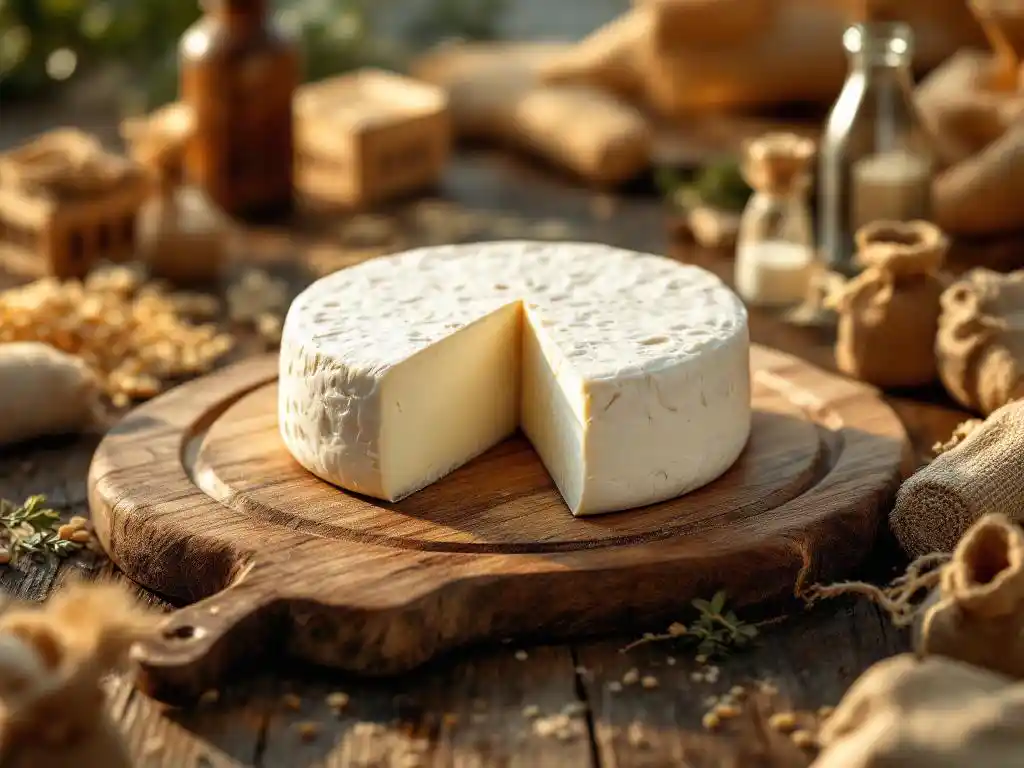
Goat cheese offers unique advantages for B2B buyers seeking to minimize supply chain disruptions and procurement risks. Unlike cow’s milk cheese production, goat cheese manufacturing provides greater flexibility in sourcing, production scheduling, and inventory management. This strategic choice helps food service providers, retailers, and food manufacturers maintain consistent product availability while reducing dependency on single supply sources. Understanding how goat cheese can strengthen your supply chain resilience involves examining its production characteristics, supplier relationships, quality standards, and packaging flexibility.
What makes goat cheese a strategic choice for supply chain stability?
Goat cheese production offers inherent advantages for supply chain stability through its flexible manufacturing process and diverse sourcing options. Goat milk production typically takes place on smaller, more distributed farms, creating natural supply diversification compared to large-scale cow dairy operations. This distributed model means disruptions at one location have minimal impact on overall availability.
The production cycle of goat cheese differs significantly from that of cow’s milk cheese. Goats adapt better to varied climates and feed conditions, allowing production across more geographic regions. This adaptability translates to a more consistent year-round supply, even when seasonal variations affect other dairy products. Additionally, goat cheese manufacturers often maintain relationships with multiple small-scale producers, creating built-in redundancy.
Shelf life considerations also favor goat cheese for supply chain management. Fresh goat cheese varieties maintain quality for extended periods when properly stored, while aged goat cheeses develop enhanced flavors over time. This characteristic allows buyers to manage inventory more effectively, ordering larger quantities during favorable market conditions without risking product deterioration.
Market adaptability represents another strategic advantage. Goat cheese products range from fresh spreads to aged hard cheeses, allowing manufacturers to adjust production based on demand fluctuations. This versatility helps suppliers maintain consistent operations even when specific product categories experience temporary demand changes.
How does supplier diversification reduce cheese procurement risks?
Supplier diversification in cheese procurement creates a robust defense against supply disruptions by spreading risk across multiple producers. Working with several cheese suppliers ensures continuous product availability even when individual producers face challenges such as equipment failures, labor shortages, or raw material issues.
Regional sourcing strategies enhance supply security by balancing local and international suppliers. Local producers offer advantages in delivery speed and freshness, while international suppliers provide access to specialty varieties and competitive pricing. This geographic spread protects against regional disruptions such as weather events, transportation strikes, or regulatory changes affecting specific areas.
The balance between artisanal and larger-scale suppliers creates procurement flexibility. Artisanal producers offer unique products and customization capabilities, while larger operations provide volume consistency and standardized quality. Maintaining relationships with both types allows buyers to meet diverse customer demands while ensuring baseline supply security.
Portfolio diversification across cheese types and price points further reduces risk. By sourcing various goat cheese products (fresh, semi-aged, aged, flavored varieties) from different suppliers, buyers avoid overreliance on single product lines. This approach also provides pricing flexibility, allowing substitution when specific products face cost pressures.
Effective supplier relationship management involves regular communication, performance monitoring, and collaborative planning. Strong partnerships with multiple suppliers create mutual benefits through shared forecasting, coordinated product development, and flexible ordering arrangements that accommodate both parties’ needs.
What quality consistency factors should B2B buyers consider?
Quality consistency in goat cheese sourcing requires attention to certification standards, production methods, and ongoing quality control measures. Internationally recognized food safety certifications such as BRC, IFS, or FSSC 22000 provide assurance that suppliers maintain rigorous quality management systems throughout their operations.
Production method consistency directly impacts product quality. Traditional cheesemaking techniques, when properly standardized, deliver predictable flavor profiles and textures. Buyers should evaluate suppliers’ production protocols, including milk sourcing standards, starter culture management, aging conditions, and handling procedures. Consistent production methods ensure each batch meets specifications for taste, texture, and appearance.
Batch consistency requirements vary by application but typically include parameters such as moisture content, fat percentage, pH levels, and microbiological standards. Suppliers with robust testing protocols and documented quality control procedures provide greater assurance of meeting these specifications consistently. Regular third-party audits and testing add another layer of quality verification.
Traceability systems enable rapid response to quality concerns. Comprehensive tracking from milk source through production, packaging, and distribution allows quick identification and isolation of any issues. This capability minimizes the impact of quality deviations on your operations and protects your brand reputation.
Quality consistency directly reduces operational risks by preventing production delays, customer complaints, and product recalls. Reliable quality also simplifies menu planning, recipe standardization, and inventory management, as products perform predictably in various applications.
Which flexible packaging and volume options minimize inventory risks?
Flexible packaging options in goat cheese procurement allow buyers to optimize inventory levels while meeting diverse operational needs. Bulk packaging for food service operations reduces per-unit costs and packaging waste while enabling portion control at the point of use. Options range from 1–5 kilogram blocks for kitchen operations to larger formats for industrial processing.
Retail-ready packaging serves businesses requiring consumer-facing products without repackaging. Pre-portioned options include individual servings, family-sized containers, and specialty formats for delicatessen counters. This variety allows buyers to match packaging to specific customer segments and consumption patterns.
Private label packaging capabilities enable brand differentiation while leveraging suppliers’ production expertise. Custom packaging runs become economically viable at various volume levels, from small specialty batches to large retail programs. This flexibility supports market testing and seasonal promotions without major capital investment.
Volume flexibility through scalable ordering helps manage inventory costs and reduce waste. Suppliers offering minimum order flexibility, combined with frequent delivery schedules, enable just-in-time inventory management. This approach particularly benefits businesses with seasonal demand fluctuations or limited storage capacity.
Modified-atmosphere packaging and vacuum sealing extend shelf life, providing additional inventory management flexibility. These technologies allow buyers to maintain safety stock without excessive waste risk, ensuring product availability during unexpected demand spikes or supply interruptions.
How does DeJong Cheese help reduce supply chain risks?
We at DeJong Cheese understand the critical importance of supply chain reliability for our B2B partners. Our traditional family business approach, combined with modern production capabilities, provides multiple solutions for reducing procurement risks in your goat cheese supply.
Our supply risk reduction advantages include:
- Consistent quality through traditional production: Our time-tested recipes and production methods ensure every batch meets the same high standards.
- Flexible packaging solutions: From bulk formats for industrial processing to retail-ready portions, we adapt to your specific needs.
- International certifications: Our comprehensive food safety certifications enable seamless market access across borders.
- Custom product development: We work closely with partners to create unique products that differentiate your offering.
- Reliable global delivery: With successful deliveries to over 20 countries, we have proven our logistics capabilities.
- Private label expertise: Our experience in private label production helps you build your brand while leveraging our manufacturing excellence.
Our team of 55 dedicated professionals focuses on maintaining the personal relationships that make supply chains resilient. We combine the flexibility of a family business with the capabilities needed for large-scale B2B partnerships.
Ready to strengthen your goat cheese supply chain? Explore our comprehensive product range for food service or contact our team to discuss your specific requirements. You can also find our products at various sales locations to experience our quality firsthand.
Frequently Asked Questions
How can I assess a goat cheese supplier's reliability before committing to a long-term contract?
Start by requesting documentation of their certifications, production capacity, and client references. Visit their facilities if possible to evaluate their operations firsthand, review their track record for on-time deliveries over the past 12-24 months, and request sample orders to test their responsiveness and product consistency. Additionally, verify their financial stability through credit reports and check if they maintain adequate insurance coverage for supply disruptions.
What contingency planning should I implement when sourcing goat cheese for my business?
Develop a tiered supplier strategy with at least one primary and two backup suppliers for each product category. Maintain 2-3 weeks of safety stock for critical items, establish clear communication protocols for supply disruptions, and create product substitution guidelines that your team can implement quickly. Document quality specifications and approved alternatives so operations can continue smoothly if your preferred products become temporarily unavailable.
How do seasonal variations affect goat cheese supply, and how can I plan accordingly?
Goat milk production typically peaks in spring and early summer, potentially affecting fresh cheese availability and pricing in late fall and winter. Plan by negotiating annual contracts with seasonal pricing adjustments, increasing orders of aged varieties during peak production periods, and working with suppliers who use freezing technology to stabilize year-round supply. Consider adjusting your menu or product mix seasonally to take advantage of optimal availability periods.
What are the most common supply chain disruptions for goat cheese, and how can I mitigate them?
Common disruptions include transportation delays, sudden demand spikes from other buyers, quality issues from weather affecting feed, and regulatory changes in import/export requirements. Mitigate these risks by maintaining relationships with both local and international suppliers, staying informed about industry trends and regulations, implementing robust quality testing upon delivery, and building buffer time into your ordering cycles for critical products.
How can smaller businesses leverage goat cheese sourcing for competitive advantage without large volume commitments?
Partner with suppliers who offer flexible minimum orders and consider joining buying cooperatives to access better pricing and terms. Focus on specialty or artisanal goat cheeses that command premium prices and differentiate your offerings, utilize frozen or longer shelf-life formats to reduce waste, and develop exclusive products with smaller producers who value consistent, reliable partnerships over volume.
What key performance indicators (KPIs) should I track to monitor my goat cheese supply chain health?
Monitor on-time delivery rates, order accuracy percentages, product shelf life upon arrival, and price stability over time. Track quality rejection rates, supplier response times to inquiries, and inventory turnover ratios. Additionally, measure the percentage of orders requiring substitutions and calculate the total cost of ownership including waste, storage, and handling to identify optimization opportunities.