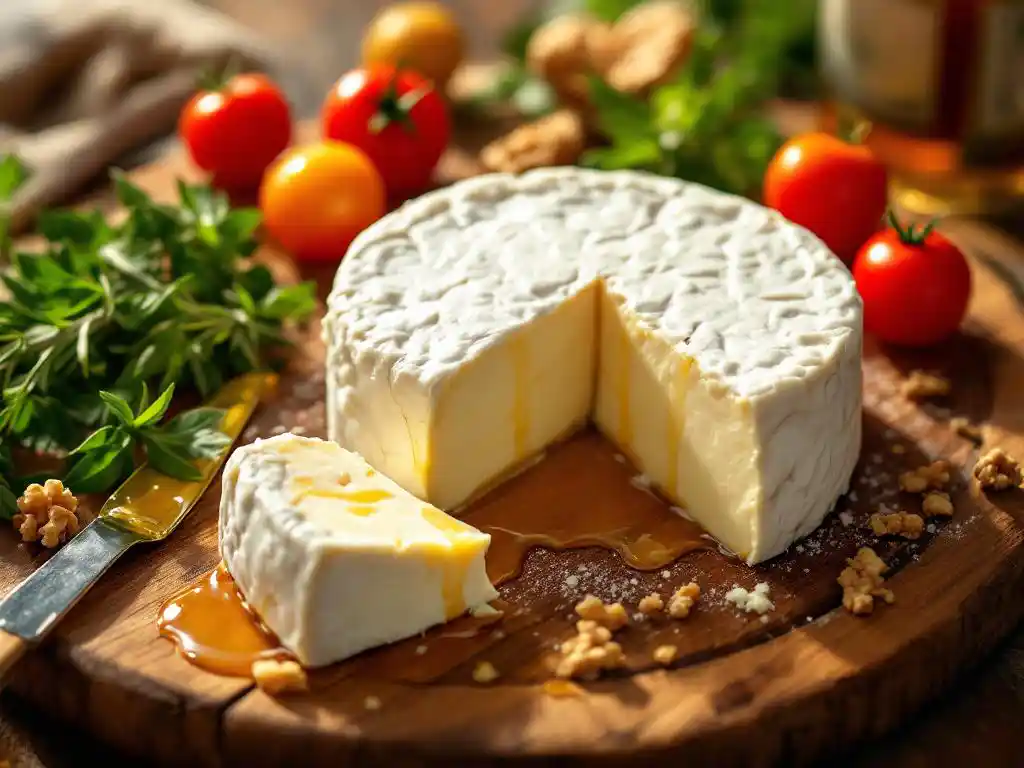
Goat cheese stands out as an exceptional foundation for culinary innovation due to its unique versatility, distinctive flavour profile, and adaptability to contemporary food trends. Its creamy texture, tangy taste, and excellent melting properties make it ideal for both traditional and experimental applications. From artisanal pizzas to innovative desserts, goat cheese enables chefs and food manufacturers to create distinctive products that meet evolving consumer preferences while maintaining premium quality and nutritional benefits.
What makes goat cheese uniquely suited for culinary innovation?
Goat cheese possesses several distinctive properties that make it exceptionally well suited to culinary experimentation and product development. Its naturally creamy texture allows for versatile applications ranging from spreadable formats to firm, sliceable varieties. The characteristic tangy flavour profile provides a sophisticated taste that complements both sweet and savoury preparations without overwhelming other ingredients.
The digestibility advantages of goat cheese contribute significantly to its innovation potential. Goat’s milk contains smaller fat globules and different protein structures compared to cow’s milk, making it easier for many people to digest. This characteristic creates opportunities for products that cater to consumers with mild lactose sensitivities or those seeking alternatives to traditional dairy products.
The versatility in texture modification represents another key advantage. Goat cheese can be transformed through various production methods to achieve different consistencies – from ultra-creamy fresh varieties to aged, crumbly textures. This adaptability enables food developers to create products ranging from smooth sauces and dips to structured components in layered dishes. The cheese’s ability to maintain its distinctive character while accepting flavour infusions with herbs, spices, or other ingredients further expands creative possibilities.
How does goat cheese adapt to modern dietary trends and preferences?
Goat cheese aligns remarkably well with current dietary movements and consumer health preferences. Its position within Mediterranean diet principles, recognised for promoting heart health and longevity, makes it an attractive option for health-conscious consumers. The cheese naturally fits into plant-forward dining concepts, where smaller amounts of high-quality animal proteins complement vegetable-centric dishes.
The nutritional profile of goat cheese supports its appeal in modern diets. It typically contains fewer calories and less fat than many cow’s milk cheeses while providing essential nutrients including protein, calcium, and vitamins. The presence of medium-chain fatty acids in goat cheese may offer metabolic benefits, as these fats are processed differently by the body compared to longer-chain fats.
Clean-label demands find a natural ally in goat cheese production. Traditional goat cheese requires minimal ingredients – often just milk, salt, and cultures – aligning with consumer preferences for simple, recognisable ingredient lists. This simplicity allows manufacturers to create products that meet clean-label standards while maintaining authentic taste and quality. Additionally, goat cheese production often involves smaller-scale, artisanal methods that resonate with consumers seeking transparency and traditional food production values.
What are the most innovative applications of goat cheese in contemporary cuisine?
Contemporary cuisine has embraced goat cheese in surprising and innovative ways that extend far beyond traditional applications. Goat cheese ice creams and gelatos represent one of the most intriguing developments, where the cheese’s natural tanginess creates complex flavour profiles in frozen desserts. These products often feature complementary ingredients such as honey, figs, or herbs, creating sophisticated alternatives to conventional ice cream flavours.
Plant-based hybrid products incorporating goat cheese demonstrate another frontier of innovation. Food developers combine goat cheese with plant proteins and vegetables to create products that appeal to flexitarian consumers. Examples include goat cheese-enriched plant-based spreads and hybrid burgers in which small amounts of goat cheese enhance flavour and texture while maintaining a predominantly plant-based profile.
Fermented variations and molecular gastronomy applications showcase the technical innovation potential of goat cheese. Chefs experiment with extended fermentation processes to develop unique flavour profiles, while molecular techniques transform goat cheese into foams, spheres, and other avant-garde presentations. Fusion cuisine integrations see goat cheese incorporated into non-traditional contexts – from Asian-inspired dumplings with goat cheese fillings to Latin American empanadas featuring spiced goat cheese combinations. These applications demonstrate how goat cheese serves as a bridge between culinary traditions, enabling creative cross-cultural food experiences.
Why do chefs and food manufacturers choose goat cheese for new product development?
Chefs and food manufacturers select goat cheese for product development due to its exceptional flavour versatility and technical advantages. The cheese provides a distinctive taste that differentiates products in competitive markets while offering reliable performance in various cooking applications. Its ability to maintain structure when heated, yet melt smoothly when required, makes it suitable for diverse manufacturing processes.
Texture-modification capabilities represent a crucial factor in product development decisions. Goat cheese can be manipulated to achieve specific mouthfeel characteristics – from silky smooth to pleasantly grainy – allowing developers to create products with precise textural profiles. This flexibility extends to moisture-content adjustments, enabling applications from high-moisture fillings to lower-moisture grating cheeses.
Shelf-life considerations and pairing potential further enhance goat cheese’s appeal for commercial applications. When properly handled, goat cheese products can achieve competitive shelf lives while maintaining quality. The cheese’s natural acidity provides some inherent preservation benefits, while its flavour profile pairs exceptionally well with a wide range of ingredients – from fruits and nuts to vegetables and grains. This pairing versatility enables manufacturers to create diverse product lines using goat cheese as a consistent base, supporting premium positioning and brand-differentiation strategies.
How does DeJong Cheese support culinary innovation with goat cheese?
We at DeJong Cheese provide comprehensive solutions for businesses seeking to innovate with goat cheese. Our expertise in traditional cheese-making, combined with modern production capabilities, enables us to support culinary innovation at every level. We offer custom product development services that transform creative concepts into market-ready products, working closely with clients to achieve their specific flavour profiles and texture requirements.
Our support for culinary innovation includes:
- Custom formulation development tailored to specific applications and target markets
- Bulk packaging options designed for efficient food manufacturing processes
- Consistent quality standards maintained through rigorous production controls
- Technical expertise in creating unique flavour profiles and texture modifications
- Flexible production capabilities for both large-scale and speciality orders
- Private-label opportunities for businesses seeking branded goat cheese products
We understand the challenges food manufacturers face when developing innovative products. Our team provides practical support throughout the development process, from initial concept through to final production. Whether you need a specific melting characteristic for a new pizza application or a particular texture for a gourmet spread, we apply our traditional craftsmanship and modern techniques to deliver solutions that meet your exact requirements. Our foodservice solutions are specifically designed to support culinary professionals in creating exceptional products.
Ready to explore innovative possibilities with goat cheese? Contact our team to discuss how we can support your product development goals with our comprehensive range of goat cheese products and services.
Frequently Asked Questions
What are the best storage practices for maintaining goat cheese quality in commercial kitchens?
Store goat cheese at 35-40°F (2-4°C) in its original packaging or wrapped tightly in plastic wrap to prevent moisture loss. For optimal quality, use fresh goat cheese within 1-2 weeks and aged varieties within 3-4 weeks of opening. Always store goat cheese away from strong-smelling foods as it readily absorbs odours, and consider vacuum-sealing portions for extended storage in high-volume operations.
How can I prevent goat cheese from becoming grainy or separating when incorporating it into hot sauces or soups?
To prevent graininess, temper the goat cheese by bringing it to room temperature before use and add it off-heat or at the end of cooking. Whisk small amounts gradually into your hot liquid rather than adding large chunks, and maintain temperatures below 165°F (74°C). For ultra-smooth results, blend the goat cheese with a small amount of cream or milk before incorporating it into your hot preparation.
What are common mistakes to avoid when developing new products with goat cheese?
Avoid overpowering the delicate goat cheese flavour with too many competing ingredients – its subtle tanginess should complement, not compete. Don’t assume all goat cheeses behave the same way; fresh varieties melt differently than aged ones, requiring recipe adjustments. Also, resist over-processing or excessive heating, which can destroy the cheese’s distinctive texture and cause separation in manufactured products.
Which certifications or quality standards should I look for when sourcing goat cheese for premium product development?
Look for suppliers with HACCP certification and BRC or IFS food safety standards for consistent quality and safety. Consider organic certifications if targeting health-conscious markets, and verify the supplier can provide detailed specifications including fat content, moisture levels, and microbiological parameters. Traceability documentation and consistent batch quality are essential for maintaining your product’s premium positioning.
How do I calculate the right goat cheese ratio for plant-based hybrid products without compromising texture?
Start with a 15-25% goat cheese ratio in plant-based hybrids to maintain structural integrity while adding distinctive flavour. Test different moisture contents of goat cheese – fresh varieties work best at 20-30% ratios, while aged cheeses can be effective at 10-15%. Conduct texture analysis at various temperatures and adjust ratios based on your product’s intended preparation method, whether it’s grilling, baking, or cold applications.
What equipment modifications might be needed for manufacturing products with goat cheese?
Most standard dairy processing equipment handles goat cheese well, but consider installing variable-speed mixers to prevent over-shearing the delicate curd structure. Temperature controls may need finer calibration as goat cheese is more heat-sensitive than many cow’s milk cheeses. For filling applications, ensure pumps and depositors can handle varying viscosities, and consider inline homogenisation for smooth sauce or spread production.
Related Articles
- What are the benefits of an exclusive partnership with a specialized goat cheese producer?
- What is the difference between a block pallet and an EU pallet when delivering cheese products?
- How can goat cheese support innovation in frozen pizza ranges?
- Why are food manufacturers choosing goat cheese over cow cheese?
- What are the most common goat cheese rinds?