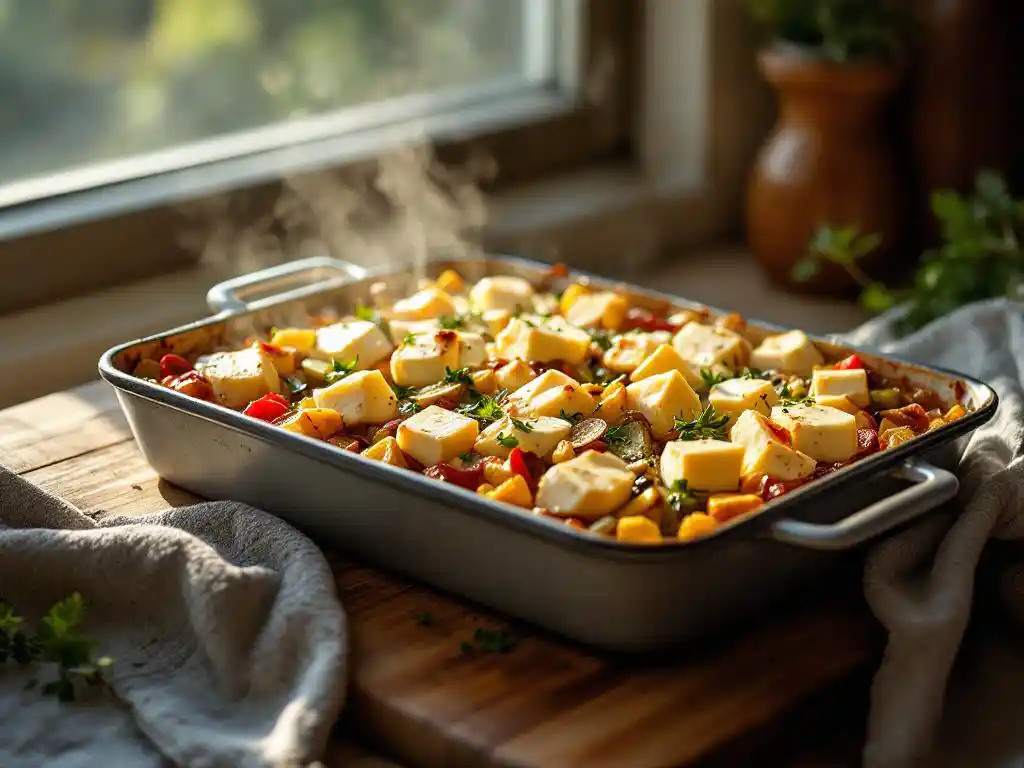
Ready-to-heat traybake meals featuring goat cheese offer exceptional opportunities for foodservice providers and meal kit companies seeking premium, convenient options. Goat cheese’s unique melting properties, distinctive tangy flavour, and creamy texture create traybakes that maintain quality through packaging, storage, and reheating. These versatile meals combine convenience with sophisticated taste profiles, appealing to health-conscious consumers while meeting commercial production requirements for consistency and shelf life.
What makes goat cheese ideal for ready-to-heat traybake meals?
Goat cheese possesses specific characteristics that make it exceptionally suitable for traybake meal applications. Its lower melting point compared with cow’s milk cheese ensures even heat distribution without oil separation, while its natural acidity helps preserve freshness during storage. The cheese maintains its creamy consistency through multiple heating cycles, preventing the rubbery texture common in reheated dairy products.
The moisture content in goat cheese contributes to traybakes that remain succulent rather than drying out during reheating. This quality proves particularly valuable for commercial meal preparation, where products must withstand transport and storage before final heating. Fresh goat cheese varieties offer spreadable textures that blend seamlessly with vegetables and grains, while aged versions provide structured melting that creates appealing golden crusts.
Flavour retention represents another crucial advantage. Goat cheese’s distinctive taste profile intensifies rather than diminishes during the cooking process, ensuring meals deliver consistent flavour from production through to consumption. This stability makes it ideal for batch production and extended shelf life requirements in commercial settings.
Which Mediterranean-inspired traybake meals work best with goat cheese?
Mediterranean traybakes featuring goat cheese combine traditional flavours with modern convenience. Roasted vegetable combinations including aubergines, courgettes, tomatoes, and bell peppers pair naturally with crumbled or sliced goat cheese, creating colourful, appealing meals. These vegetable-forward options maintain texture and visual appeal through the reheating process while delivering authentic Mediterranean taste profiles.
Herb-crusted preparations enhance goat cheese traybakes with aromatic complexity. Fresh herbs like thyme, oregano, and basil, combined with breadcrumb toppings, create textural contrast while protecting the cheese during reheating. Tomato-based dishes benefit from goat cheese’s acidity, which complements the natural sweetness of roasted tomatoes and prevents flavour dulling during storage.
Traditional pairings such as goat cheese with roasted red peppers, olives, and sun-dried tomatoes translate perfectly into traybake formats. These combinations offer familiar flavour profiles that appeal to mainstream palates while maintaining the premium positioning that goat cheese provides. Layered preparations with potatoes or pasta create substantial meals suitable for various dayparts and consumer segments.
How can fusion traybake concepts incorporate goat cheese effectively?
Fusion traybake concepts benefit from goat cheese’s adaptability to diverse flavour profiles. Asian-inspired vegetable bakes combining goat cheese with miso glazes, sesame, and roasted vegetables create unexpected yet harmonious flavour combinations. The cheese’s tang balances umami-rich ingredients while adding creamy texture to otherwise lean preparations.
Mexican-style enchilada traybakes showcase how goat cheese provides sophisticated alternatives to traditional cheese options. Combined with black beans, roasted corn, and mild chillies, goat cheese adds richness without overwhelming spice profiles. These preparations maintain structural integrity through reheating, ensuring consistent portion control and presentation.
Middle Eastern–spiced preparations featuring goat cheese with harissa, za’atar, or sumac create bold flavour profiles suitable for adventurous consumers. Modern comfort food adaptations, such as mac and cheese variations using goat cheese, appeal to familiar preferences while offering premium differentiation in competitive markets. These fusion concepts allow meal developers to target diverse consumer segments with unique offerings.
What vegetarian and plant-forward traybake options feature goat cheese?
Vegetarian traybake solutions centred on goat cheese address growing demand for meat-free options without compromising protein content or satisfaction. Grain-based bakes incorporating quinoa, farro, or barley with goat cheese create nutritionally complete meals that appeal to health-conscious consumers. These combinations provide sustained energy while delivering interesting textures and flavours.
Legume and goat cheese combinations offer protein-rich alternatives that satisfy both nutritional requirements and taste expectations. Lentil-based traybakes with goat cheese, roasted vegetables, and aromatic spices create hearty meals suitable for various dietary preferences. Chickpea preparations benefit from goat cheese’s creamy texture, which balances the earthiness of legumes while adding calcium and beneficial fats.
Seasonal vegetable gratins featuring goat cheese allow menu rotation based on ingredient availability and consumer preferences. Root vegetable combinations in autumn, asparagus and pea preparations in spring, and summer squash variations provide year-round options. These plant-forward meals support sustainability messaging while delivering the indulgence consumers expect from ready-to-heat options.
Which packaging and preparation methods optimize goat cheese traybakes?
Packaging solutions for goat cheese traybakes must balance protection, presentation, and reheating efficiency. Modified-atmosphere packaging extends shelf life while maintaining cheese quality, preventing moisture loss and oxidation. Compartmentalised trays allow separate packaging of components that benefit from different storage conditions, such as keeping fresh herbs separate until final preparation.
Portion-control considerations influence both packaging design and cheese application methods. Pre-portioned cheese additions ensure consistent quality and cost control across production runs. Reheating instructions must account for various equipment options, from conventional ovens to microwaves, while maintaining optimal texture and appearance. Clear labelling of heating times and methods prevents quality degradation from improper preparation.
Presentation formats range from individual portions for meal kits to family-sized options for retail. Oven-safe packaging that doubles as serving dishes adds convenience while reducing waste. Vacuum-sealed options extend shelf life for distribution channels requiring longer storage periods, while fresh preparations in modified-atmosphere packaging suit shorter supply chains with premium positioning.
How does DeJong Cheese support traybake meal development?
We understand the unique challenges of developing ready-to-heat traybake meals that maintain quality from production through to consumption. Our expertise in goat cheese production, combined with deep knowledge of commercial food applications, enables us to support your traybake development needs comprehensively.
Our support for traybake meal development includes:
- Custom goat cheese formats designed specifically for traybake applications
- Bulk packaging options that streamline your production processes
- Technical guidance on optimal cheese quantities and placement for consistent results
- Collaborative product development to create unique flavour profiles
- Consistent quality standards meeting the highest food safety certifications
- Flexible order quantities supporting both trial runs and full-scale production
Whether you’re developing Mediterranean classics or innovative fusion concepts, our team provides hands-on support throughout the development process. We offer samples for testing, technical specifications for your production teams, and ongoing quality assurance that ensures your traybake meals deliver exceptional taste and texture consistently.
Ready to elevate your traybake meal offerings with premium goat cheese? Contact our team to discuss your specific requirements and discover how our foodservice solutions can support your product development goals. For more information about availability in your region, visit our sales locations page.
Frequently Asked Questions
How long can ready-to-heat goat cheese traybakes be stored before quality deteriorates?
With proper modified-atmosphere packaging, goat cheese traybakes typically maintain optimal quality for 5-7 days under refrigeration, though this varies based on other ingredients used. For frozen options, quality remains stable for up to 3 months when stored at -18°C, making them suitable for longer distribution chains. Always conduct shelf-life testing with your specific recipe and packaging combination to establish accurate best-before dates.
What's the best way to prevent goat cheese from becoming grainy when reheating traybake meals?
To prevent graininess, use fresh goat cheese varieties with higher moisture content and avoid overheating during the initial cooking process – aim for 165-175°C maximum. Include a protective layer such as vegetables or sauce over the cheese, and recommend reheating at medium temperatures (150-160°C) rather than high heat. Adding a small amount of cream or milk to cheese-heavy preparations can also help maintain smooth texture through multiple heating cycles.
Which goat cheese varieties work best for meal prep services versus retail frozen meals?
For meal prep services with shorter shelf lives, use fresh chèvre or soft-ripened varieties that offer maximum creaminess and flavour impact within 3-5 days. Retail frozen meals benefit from semi-hard goat cheeses or specially formulated varieties with lower moisture content that maintain structure through freeze-thaw cycles. Consider crumbled formats for even distribution or pre-portioned medallions for consistent presentation across production batches.
How can I calculate the right amount of goat cheese per portion to balance cost and customer satisfaction?
For traybake meals, aim for 30-50g of goat cheese per single-serve portion (300-400g total meal weight) to deliver noticeable flavour and visual impact while managing costs. Premium positioning allows for 60-75g portions, while value-focused lines can reduce to 25-30g when combined with complementary ingredients. Test consumer response at different cheese levels and consider that goat cheese’s stronger flavour profile means you typically need 20-30% less than cow’s milk cheese for similar impact.
What are the most common mistakes when developing goat cheese traybakes for commercial production?
The most frequent mistakes include using too high temperatures during initial cooking (causing oil separation), inadequate moisture barriers leading to dry reheated meals, and poor cheese distribution resulting in inconsistent portions. Additionally, many developers underestimate goat cheese’s flavour intensification during storage, leading to overpowering taste profiles, or fail to account for pH interactions between goat cheese and acidic ingredients like tomatoes, which can affect texture over time.
How do I ensure even melting and browning of goat cheese across large-batch traybake production?
Achieve consistent results by maintaining uniform cheese piece sizes (crumbles of 5-8mm or slices of 3-4mm thickness) and distributing cheese only after other ingredients have been evenly spread. Use convection ovens with rotating racks for large batches, and consider a two-stage cooking process: initial baking at 160°C to heat through, then a brief higher-temperature finish at 180-190°C for browning. Pre-chilling cheese before application can also help maintain shape during initial heating phases.