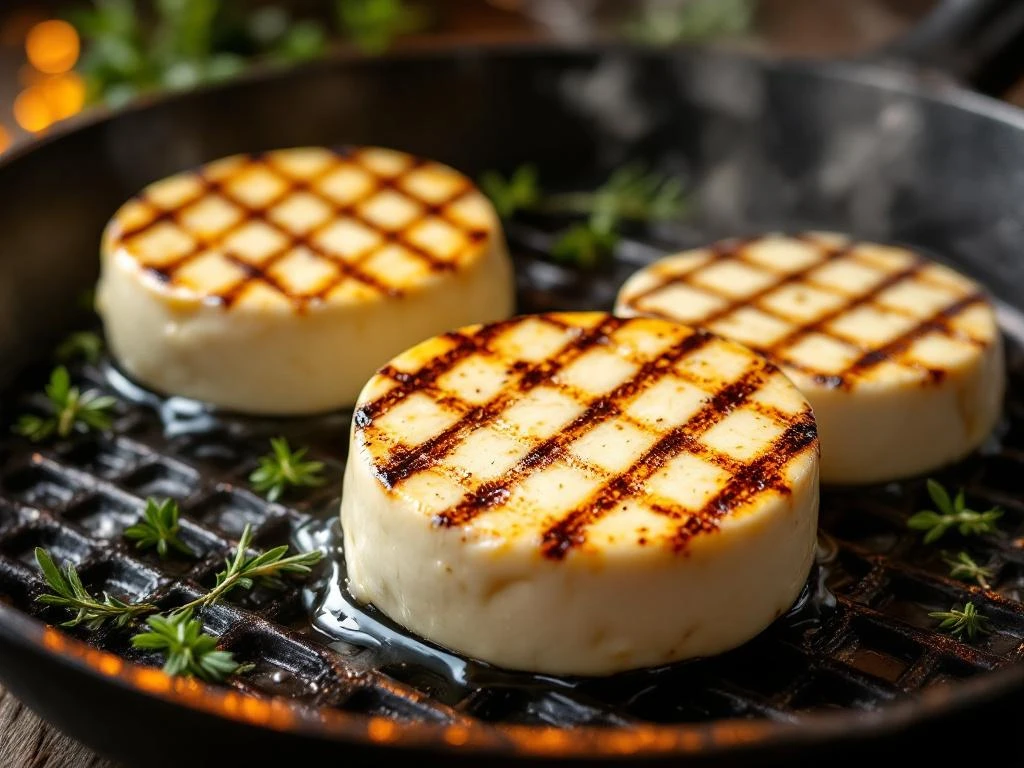
Yes, goat cheese can absolutely be grilled, though it requires specific techniques to prevent melting. Unlike harder cheeses, goat cheese’s unique protein structure and moisture content mean it softens rather than melts completely when heated. Fresh goat cheese works best when coated or contained, whilst aged varieties with lower moisture content can withstand direct grilling. The key is controlling temperature and using proper preparation methods to maintain the cheese’s shape whilst achieving that desirable golden crust and warm, creamy interior.
Understanding goat cheese and its grilling potential
Goat cheese possesses unique properties that make it surprisingly suitable for grilling when handled correctly. The protein structure in goat cheese differs from cow’s milk cheese, containing smaller fat globules and a different casein composition that affects how it responds to heat. This distinctive makeup means goat cheese tends to soften and become creamy rather than melting into a liquid state like many other cheeses.
The melting characteristics of goat cheese depend largely on its moisture content and aging process. Fresh goat cheese contains approximately 60-80% moisture, which creates challenges for direct grilling but also opportunities for creative cooking methods. When heated, the proteins in goat cheese begin to denature at around 55°C (130°F), causing the texture to transform from crumbly to smooth and spreadable. This transformation occurs gradually, giving cooks a window of opportunity to achieve perfect grilling results.
Certain types of goat cheese excel on the grill due to their specific characteristics. Firmer, aged varieties with reduced moisture content maintain their structure better under high heat. Fresh goat cheese, whilst more challenging, can still be grilled successfully when properly prepared with coatings or placed in grilling vessels. The fat content, typically ranging from 16-25% in goat cheese, contributes to browning and flavour development without causing excessive melting.
What types of goat cheese work best for grilling?
The success of grilling goat cheese largely depends on selecting the right variety for your cooking method. Aged goat cheese with a firm texture performs exceptionally well on the grill, as the aging process reduces moisture content and creates a more stable protein structure. These cheeses can often be placed directly on grill grates without extensive preparation, developing a beautiful golden crust whilst maintaining their shape.
Fresh goat cheese, despite its higher moisture content, remains a popular choice for grilling when properly prepared. The creamy texture and mild flavour of fresh varieties make them ideal for coating with breadcrumbs, herbs, or nuts before grilling. Ripened goat cheese, with its characteristic white rind, offers a middle ground between fresh and aged varieties. The rind provides natural protection during grilling, allowing the interior to warm and become creamy whilst the exterior develops appealing grill marks.
| Cheese Type | Moisture Content | Grilling Method | Preparation Needed |
|---|---|---|---|
| Fresh Goat Cheese | 60-80% | Indirect heat/coating required | Breading, wrapping, or vessel |
| Ripened Goat Cheese | 45-60% | Direct or indirect heat | Optional coating |
| Aged Goat Cheese | 30-45% | Direct heat possible | Minimal preparation |
When selecting goat cheese for grilling, consider the final dish and serving method. Crumbled varieties work brilliantly when mixed with binding ingredients and formed into patties, whilst sliced formats offer convenience for quick grilling applications. The key is matching the cheese’s moisture level to your chosen grilling technique.
How do you properly grill goat cheese without it melting away?
Successfully grilling goat cheese requires careful preparation and temperature control. Begin by chilling the cheese thoroughly before grilling, as cold cheese maintains its structure better when exposed to heat. For fresh goat cheese, create a protective barrier using beaten egg and breadcrumbs, crushed nuts, or herbs. This coating not only prevents melting but adds texture and flavour to the finished dish.
Temperature management is crucial for grilling goat cheese effectively. Maintain a medium heat of approximately 175-200°C (350-400°F) for optimal results. Direct grilling works well for firmer cheeses or coated fresh varieties, requiring just 2-3 minutes per side. For more delicate preparations, indirect grilling provides gentler heat that warms the cheese through without causing structural breakdown.
Several techniques ensure goat cheese maintains its form during grilling:
- Freeze fresh goat cheese portions for 15-20 minutes before coating and grilling
- Use grilling baskets or perforated pans to support softer varieties
- Wrap cheese in grape leaves, prosciutto, or puff pastry for protection
- Create cheese “steaks” by pressing crumbled goat cheese with binding ingredients
- Employ cedar planks or salt blocks for indirect heat and added flavour
Timing is essential when grilling goat cheese. Watch for visual cues such as golden browning on coated surfaces or slight softening at edges. The internal temperature should reach 50-60°C (120-140°F) for optimal texture without complete melting. Remove cheese from heat immediately when these indicators appear to prevent overcooking.
What are the best ways to serve grilled goat cheese?
Grilled goat cheese offers remarkable versatility in presentation and pairing. The warm, creamy texture contrasts beautifully with crisp salad greens, making it an ideal centrepiece for sophisticated starters. Drizzle honey over grilled goat cheese rounds and garnish with fresh thyme or lavender for a simple yet elegant appetiser that balances sweet and savoury flavours.
Creative serving suggestions elevate grilled goat cheese from simple to spectacular. Place warm grilled cheese atop roasted beetroot carpaccio, adding toasted walnuts and a balsamic reduction. For heartier presentations, serve grilled goat cheese medallions over grilled vegetables, creating layers of smoky flavours. The cheese also excels in composed salads featuring grilled stone fruits, mixed greens, and citrus vinaigrette.
Temperature considerations significantly impact the serving experience. Grilled goat cheese tastes best when served immediately, whilst still warm and creamy inside. However, it can maintain pleasant eating temperature for 5-10 minutes when kept in a warm environment. Complement the cheese with contrasting temperatures by pairing with chilled elements like cucumber ribbons or cool herb oils.
Flavour enhancement techniques multiply the appeal of grilled goat cheese:
- Marinate in olive oil with herbs before grilling
- Finish with flavoured salts or cracked black pepper
- Accompany with fruit chutneys or onion marmalade
- Garnish with microgreens or edible flowers
- Serve alongside crusty bread or artisanal crackers
Key takeaways for grilling goat cheese successfully
Mastering the art of grilling goat cheese opens endless culinary possibilities. The essential elements for success include selecting appropriate cheese varieties based on moisture content, employing proper preparation techniques such as coating or wrapping, and maintaining careful temperature control throughout the grilling process. Fresh goat cheese requires more preparation but rewards with creamy results, whilst aged varieties offer easier handling and robust flavours.
Common mistakes to avoid include using excessive heat, which causes rapid melting, and neglecting to chill cheese before grilling. Proper timing prevents overcooking, whilst appropriate preparation methods ensure structural integrity. Quality goat cheese from specialised producers provides consistent results, as traditional production methods create cheeses with optimal melting characteristics and superior flavour profiles that enhance any grilled preparation.
For restaurant-quality results, combine multiple techniques: chill thoroughly, coat evenly, control temperature precisely, and serve immediately. Experiment with different coatings, from simple breadcrumbs to exotic spice blends, and explore various serving styles from casual to refined. Whether creating simple grilled cheese rounds for salads or elaborate composed dishes, these techniques ensure delicious outcomes that showcase goat cheese’s unique properties and versatility on the grill.
Related Articles
- What are the benefits of having a second supplier alongside your main supplier?
- How do you prevent quality variation from affecting your end product?
- What are the benefits of artisanal goat cheese in fine dining?
- What are EU requirements for imported goat cheese?
- What is the creamiest goat cheese variety?