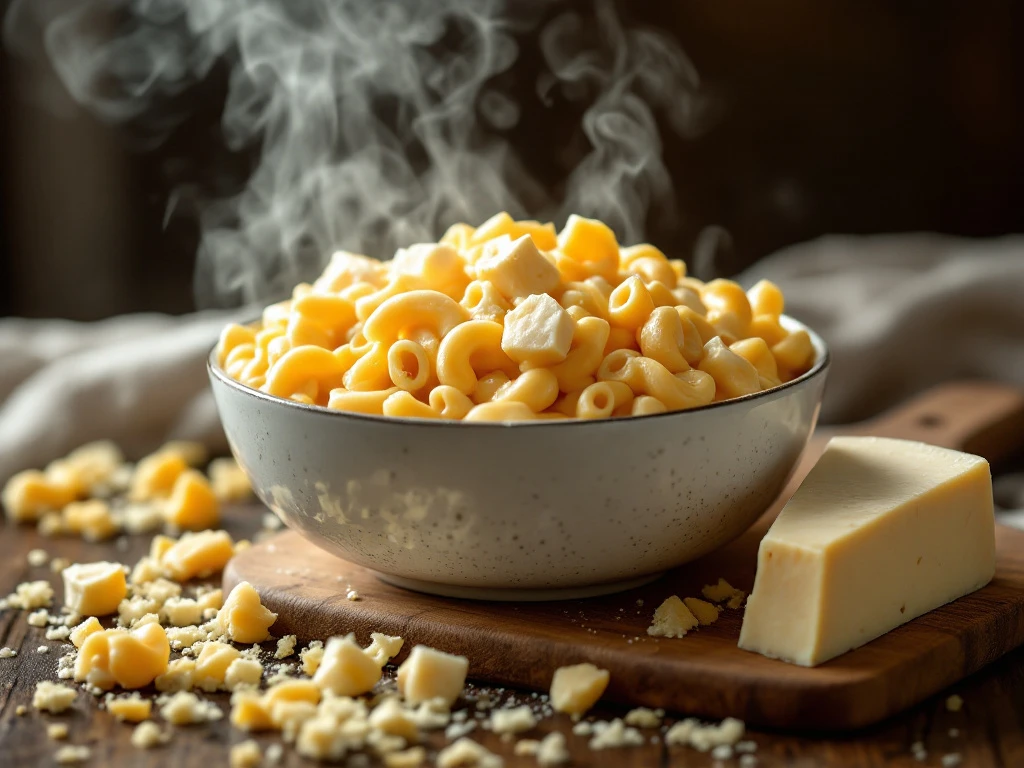
Yes, goat cheese works very well in mac and cheese. It makes this classic comfort food more special. Goat cheese has a creamy texture and tangy taste that melts well with pasta. It gives you a lighter but still delicious option instead of regular cheddar cheese. This mix gives you all the comfort you want from mac and cheese, but with more interesting flavors that make the dish better than normal weeknight food.
Can goat cheese really work in mac and cheese?
Goat cheese makes mac and cheese into a fancy dish because of its special qualities. Fresh goat cheese is naturally creamy and makes smooth sauces without needing lots of heavy cream or butter. Its tangy flavor adds depth that goes well with pasta without being too strong. It melts smoothly and coats each piece of pasta well.
The secret to success is knowing how goat cheese acts differently from regular cheeses. Fresh goat cheese has more water in it, which helps make smooth sauce but needs careful temperature control. The proteins in goat cheese break down easier than cow’s milk cheese. This creates that special creamy texture that works perfectly for pasta dishes. This makes it great for people who want lighter options without losing the comfort food feeling.
Many home cooks find that goat cheese mac and cheese is easier to digest than regular versions. The smaller fat pieces and different protein structure in goat cheese are often easier on sensitive stomachs but still taste just as good. This means people who usually avoid heavy dairy dishes can still enjoy mac and cheese.
What types of goat cheese work best for mac and cheese?
Fresh chèvre is the best choice for mac and cheese. It has a mild tangy taste and melts very well. This soft, spreadable type mixes easily into hot pasta without forming lumps or separating. Semi-soft aged goat cheeses have more complex flavors but need extra liquid to make the right sauce thickness.
Here are goat cheese types to try in your mac and cheese:
- Fresh chèvre – Mild, creamy, melts easily without much work
- Aged goat gouda – Nutty flavors, firmer texture that needs grating
- Goat brie – Very creamy with subtle earthy taste, remove skin before using
- Herbed goat cheese – Adds flavor right away without extra seasoning
- Goat cheese crumbles – Easy to use option that melts quickly in hot pasta
Goat cheese flavor strength changes a lot between types. Fresh varieties have subtle tang that won’t be too strong for gentle tastes. Aged options bring bold, distinctive flavors. For people making goat cheese mac and cheese for the first time, starting with fresh chèvre gives the most reliable results. As you get more confident, trying aged varieties creates more adventurous flavor combinations.
How do you prevent goat cheese from becoming grainy in mac and cheese?
Temperature control stops graininess in goat cheese mac and cheese. Take the pot off direct heat before adding goat cheese. Let the remaining heat melt it gently. Stir constantly while adding cheese in small amounts. This ensures smooth mixing without protein separation that causes bad texture.
Making a stable base helps keep creaminess during the whole cooking process. Start with a proper roux using butter and flour, or add cornstarch mixture for gluten-free versions. These stabilizers bind the sauce parts together. This prevents the goat cheese proteins from clumping when they get hot. Adding a little pasta cooking water brings starch that helps stabilize the mixture even more.
Common mistakes that cause grainy texture include:
- Adding cold goat cheese straight to boiling liquid
- Using high heat after adding cheese
- Not stirring enough during the melting process
- Mixing different cheese types without proper blending
Room temperature goat cheese mixes more smoothly than cold cheese straight from the fridge. Breaking larger pieces into smaller parts before adding makes melting faster and reduces the risk of uneven texture. Being patient during this step gives you perfectly smooth sauce every time.
Which cheeses pair best with goat cheese in mac and cheese?
Gruyère makes the perfect partner with goat cheese. It balances tang with nutty sweetness while melting excellently. This combination gives complexity without being too strong for your taste. Fontina is another excellent match. It adds buttery richness that softens goat cheese’s sharper notes while ensuring very smooth sauce texture.
Good cheese combinations follow specific amounts for best results. A mix of 60% goat cheese to 40% other cheese keeps the special goat cheese character while adding depth. For milder tastes, switching this ratio creates more subtle goat cheese presence. Try these proven pairings:
- Goat cheese + mild cheddar – Classic comfort with sophisticated twist
- Goat cheese + parmesan – Sharp, complex flavors for adventurous tastes
- Goat cheese + mozzarella – Extra stretch and mild flavor balance
- Goat cheese + cream cheese – Very creamy texture with subtle tang
How well companion cheeses melt matters as much as flavor compatibility. Harder cheeses like aged cheddar need grating and gentle heat to mix smoothly with goat cheese. Softer options blend more easily, creating unified sauces with little effort. Testing small amounts helps find your preferred flavor strength before making larger quantities.
What’s the best pasta shape for goat cheese mac and cheese?
Cavatappi works excellently at holding creamy goat cheese sauce with its spiral shape and ridged surface. The spirals trap sauce in every curve while staying strong under the weight of rich cheese coating. This shape gives maximum flavor in each bite without becoming soggy or losing its nice chew.
Regular elbow macaroni still works well for goat cheese dishes, though its smooth surface needs slightly thicker sauce. Shell pasta creates pockets that catch creamy sauce, making each piece full of flavor. Penne and rigatoni work well when you add cut vegetables or proteins to the dish, as their tube shapes hold both sauce and additions well.
Surface texture greatly affects how sauce sticks. Ridged pasta types grip goat cheese sauce better than smooth ones, ensuring even spread throughout the dish. Think about cooking pasta slightly less than al dente, as it continues getting softer when mixed with hot cheese sauce. This method prevents mushy texture while letting pasta absorb maximum flavor.
Match pasta size to sauce thickness for best results. Thinner goat cheese sauces pair wonderfully with smaller shapes like mini shells or ditalini. Heartier sauces support larger formats like rigatoni or large shells. This balance ensures every forkful gives the right cheese-to-pasta amount without overwhelming either part.
Making excellent goat cheese mac and cheese opens endless possibilities for changing this beloved comfort food. The special qualities of goat cheese transform ordinary pasta into sophisticated food suitable for both weeknight dinners and special occasions. Understanding proper methods ensures consistently smooth, flavorful results that show goat cheese at its best. Whether using fresh chèvre or exploring aged varieties, this versatile ingredient brings new dimensions to classic mac and cheese while keeping all the comfort we love.
Related Articles
- How do you ensure continuity with a supplier that depends on seasonal milk?
- How do you create a longlist of goat cheese producers for the food industry?
- Can a Dutch producer consistently deliver large volumes of goat cheese crumbles?
- What containers are best for storing goat cheese?
- Can goat cheese be grilled?