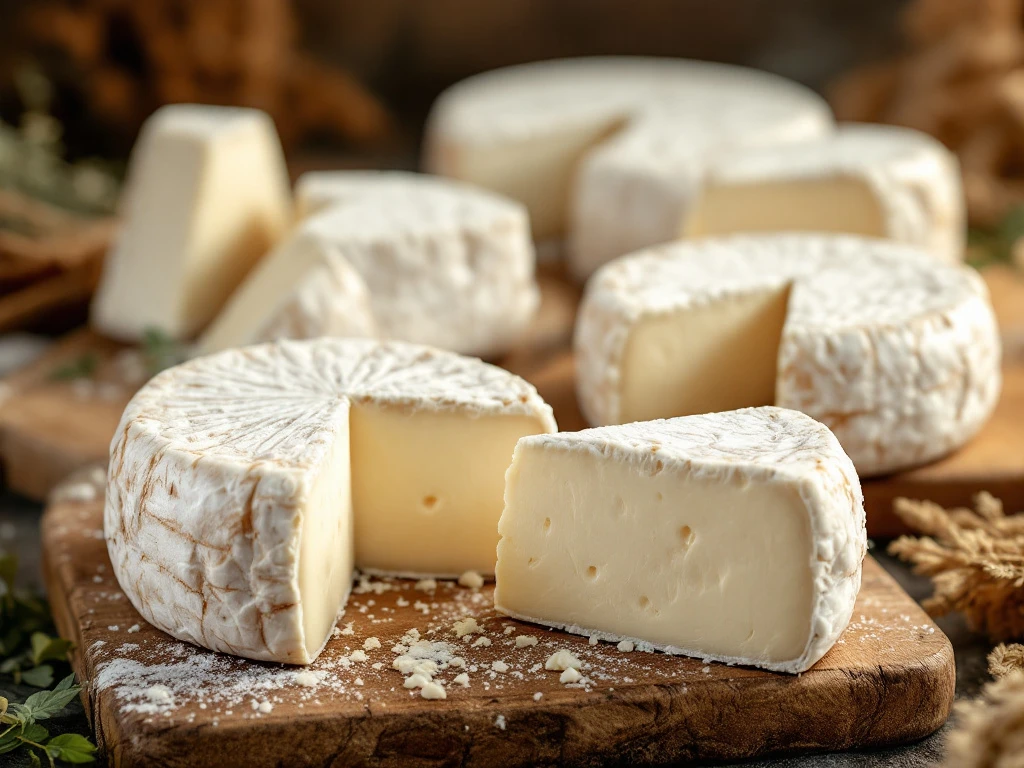
Yes, most goat cheese rinds are safe and tasty to eat. Natural rinds on goat cheese grow during the aging process. They are made to be eaten and add interesting flavors and textures to your cheese. You can eat white soft rinds, natural aged rinds, herb-covered types, and ash-covered surfaces. But you should always remove wax coatings, plastic wraps, or any fake coverings before eating.
Is goat cheese rind safe to eat?
Goat cheese rinds are usually safe to eat when they grow naturally during cheese-making. These rinds form when good molds and bacteria work with the cheese surface. This creates protective layers that make the flavor better and keep the cheese fresh. Whether eating goat cheese rind is safe depends on the type of rind and how the cheese was made.
Natural rinds on well-made goat cheese have the same good cultures used in the whole cheese-making process. These edible cheese rinds are carefully watched during production to make sure they stay safe to eat. The rinds do many things: they protect the inside of the cheese, help develop flavor, and give different textures.
Food safety rules for goat cheese rinds are simple. If the rind looks natural, smells good (earthy, like mushrooms, or mild), and comes from a trusted maker, it is safe to eat. Don’t eat rinds that show bad mold (black, orange, or strange colors), smell like ammonia, or look slimy. Trust your senses – if something seems wrong, remove the rind before eating the cheese.
All the goat cheeses we produce at DeJong Cheese have a natural rind containing only beneficial cultures. So you can eat these rinds.
Which types of goat cheese rinds are edible?
Several types of goat cheese rind are made for eating. Soft white rinds, known by their white, velvety look, are probably the most common edible type. These grow on soft goat cheeses and small bries. They create a gentle, mushroom-flavored coating that goes perfectly with the creamy inside.
Natural rinds on aged goat cheeses form through controlled aging processes. These harder rinds can be thin and light to thicker coatings, depending on aging time. Herb-covered rinds use rosemary, thyme, or other herbs directly on the surface. Ash-covered rinds use vegetable ash to create special grey coatings that balance acidity and help good mold grow.
Visual signs help identify edible rinds. Look for even colors (white, grey, or herb-spotted), smooth textures without sticky areas, and pleasant earthy smells. Our ripened goat cheese varieties develop beautiful white rinds through traditional methods. This creates products perfect for many cooking uses from salads to warm dishes.
What does goat cheese rind taste like?
The taste of goat cheese rind changes a lot based on the type and age of the cheese. White rind goat cheese usually has mild, earthy flavors like mushrooms or fresh hay. These soft rinds add gentle complexity without being too strong for the delicate goat cheese inside.
Aged goat cheese rinds develop stronger flavors. Natural rinds on mature cheeses can taste nutty, slightly tangy, or mineral-like. The rind’s flavor gets stronger with age, creating deeper, more complex notes that experienced cheese lovers really enjoy. Some people describe these flavors as cave-like or cellar-like, showing the environments where these cheeses mature.
Texture is very important in the rind experience. Soft, white rinds feel velvety in your mouth and blend smoothly with the creamy paste. Harder natural rinds give satisfying contrast, adding slight chewiness that makes the overall mouthfeel better. The mix between rind and interior creates a complete flavor journey, with each part complementing the other.
How should you properly eat goat cheese with rind?
Eating goat cheese with rind needs simple techniques that keep both parts good. Cut the cheese into wedges or slices that include both rind and paste. This lets each bite combine textures and flavors. For wheels or logs, slice across to create rounds where the rind frames the creamy center nicely.
Serving temperature matters a lot. Take goat cheese out of the fridge 30-45 minutes before serving. This lets the rind soften and flavors develop fully. Room temperature brings out the rind’s gentle notes while making sure the paste reaches perfect creaminess. Present the cheese on wooden boards or slate plates that won’t change temperature too quickly.
Pairing suggestions make the rind experience better. Honey poured over soft goat cheese rind creates beautiful sweet-savory contrast. Toasted walnuts or almonds go well with earthy rind flavors. Fresh figs or grapes provide juicy counterpoints. For people new to eating rinds, start with mild, young cheeses before trying stronger aged varieties.
When should you remove the rind from goat cheese?
Some situations need removing goat cheese rinds, though this is a personal choice. Some people find aged goat cheese rind too strong or chewy for their taste, especially on very mature cheeses where rinds become quite hard. In cooking when you’re melting cheese into sauces or mixing it into fillings, removing rinds ensures smooth consistency.
Always remove non-edible coverings like wax, plastic, or cloth wrappings – these aren’t rinds but protective packaging. Some factory cheeses may have artificial rinds that, while food-safe, don’t make eating better. If you notice any unusual colors, bad smells, or slimy textures, remove the rind no matter what type.
Proper rind removal keeps the cheese underneath good. Use a sharp knife to carefully separate the rind from the paste, following the natural boundary between them. For soft cheeses, cooling briefly makes removal easier. Save removed natural rinds for flavoring soups or stocks – they have concentrated cheese flavor perfect for making dishes better.
Understanding goat cheese rinds opens up new dimensions of flavor and texture in your cheese enjoyment. Whether you prefer the delicate bloom of fresh varieties or the complex character of aged rinds, these natural coatings represent centuries of cheese-making tradition. At our facility, we make each cheese with attention to rind development, ensuring every element contributes to an exceptional eating experience. Next time you see a beautiful goat cheese, consider enjoying it rind and all – you might discover your new favorite way to enjoy these artisanal creations.
Related Articles
- How do you choose between goat cheese crumbles, pearls and slices for an automated pizza line?
- What are the trends in goat cheese usage on pizzas in the European food industry?
- What makes goat cheese suitable for automation?
- What are the benefits of goat cheese in artisan pizza production?
- How do maturation levels affect goat cheese applications?