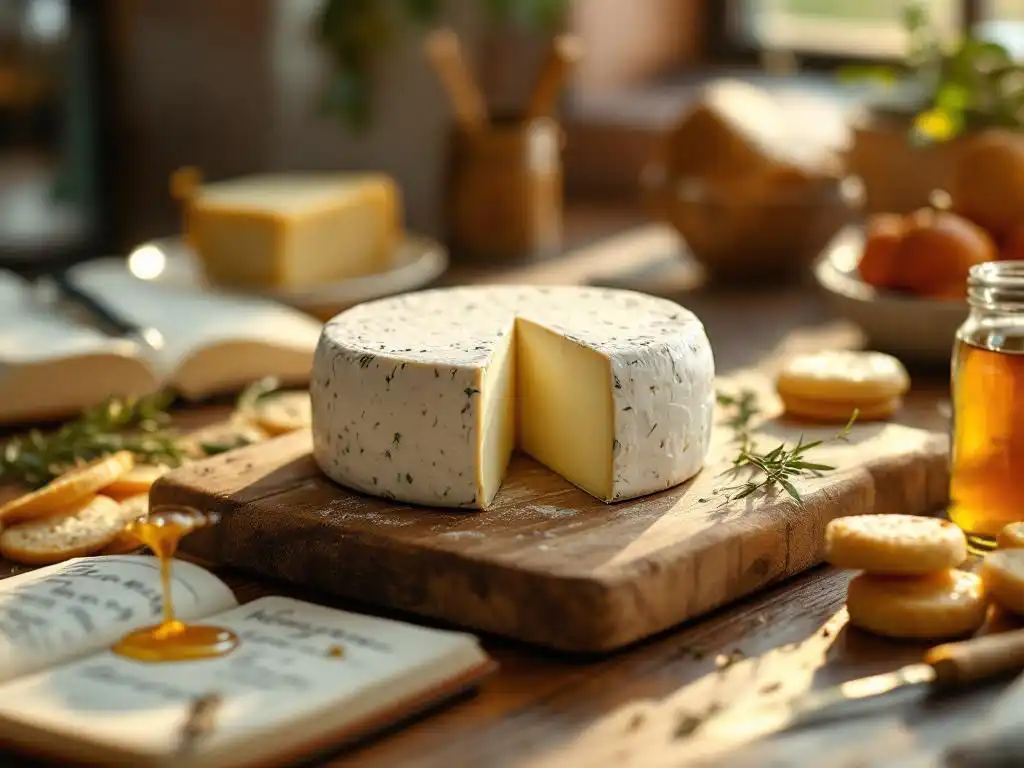
Goat cheese offers unique properties that make it exceptionally valuable for new product development in the food industry. Its distinctive tangy flavour, creamy texture, and versatile nature allow manufacturers to create innovative products that meet growing consumer demand for premium, artisanal ingredients. From fresh, spreadable varieties to aged speciality cheeses, goat cheese provides opportunities for differentiation across multiple product categories while addressing health-conscious consumer preferences.
What makes goat cheese ideal for product innovation?
Goat cheese stands out for product innovation due to its distinctive flavour profile, creamy texture, and impressive nutritional benefits. The naturally tangy taste adds complexity without overwhelming other ingredients, while its smooth, spreadable consistency makes it perfect for various applications. Goat cheese contains smaller fat globules than cow’s milk cheese, making it easier to digest and appealing to health-conscious consumers.
The versatility of goat cheese extends from fresh, mild varieties to aged, complex flavours. Fresh goat cheese offers a clean, bright taste that complements both sweet and savoury applications. As it ages, goat cheese develops deeper, more nuanced flavours that can transform simple products into gourmet offerings. This range allows product developers to target different market segments with a single ingredient category.
Nutritionally, goat cheese provides several advantages that align with current consumer trends. It contains less lactose than cow’s milk cheese, making it suitable for those with mild lactose sensitivities. The protein structure differs from cow’s milk, potentially making it easier for some people to digest. Additionally, goat cheese offers essential nutrients, including calcium, protein, and vitamins A and B, supporting clean-label initiatives.
Which product categories benefit most from goat cheese integration?
Ready meals and salads represent the most successful categories for goat cheese integration, with products featuring goat cheese commanding premium positioning. The cheese adds value to salads through its creamy texture and tangy flavour, while in ready meals it provides an artisanal touch that elevates perceived quality. Pizza and pasta products also benefit significantly, as goat cheese melts beautifully and creates distinctive flavour profiles.
Sandwich fillings and wraps have emerged as growing categories for goat cheese applications. The spreadable nature of fresh goat cheese makes it ideal for sandwich production, while its stability at ambient temperatures for short periods benefits grab-and-go formats. Meal kit companies increasingly include goat cheese as a premium ingredient that helps differentiate their offerings and justify higher price points.
Consumer trends driving demand include the preference for artisanal and speciality cheeses, interest in Mediterranean-style diets, and growing awareness of goat cheese’s digestibility benefits. Both foodservice and retail sectors show increased demand, with foodservice particularly valuing goat cheese for creating signature dishes. The vegetarian market also presents opportunities, as goat cheese provides protein and flavour complexity in plant-forward meals.
How do you overcome common challenges in goat cheese product development?
Maintaining consistency in goat cheese products requires careful supplier selection and standardised specifications. Working with suppliers who control their production process ensures consistent flavour profiles and textures. Establishing clear quality parameters for moisture content, pH levels, and fat content helps maintain product stability across batches. Regular testing and close supplier relationships are essential for consistency.
Shelf-life management presents unique considerations for goat cheese products. Fresh goat cheese typically has a shorter shelf life than aged varieties, requiring careful formulation and packaging choices. Modified-atmosphere packaging can extend shelf life while maintaining quality. For products requiring longer shelf life, using aged goat cheese or combining fresh cheese with natural preservatives helps achieve stability without compromising taste.
Balancing flavour profiles requires understanding how goat cheese interacts with other ingredients. Its tangy nature can dominate mild flavours, so careful formulation is needed to ensure harmony. Pairing goat cheese with complementary ingredients such as herbs, honey, or roasted vegetables creates balanced products. Testing different goat cheese varieties helps identify the optimal flavour intensity for each application.
What technical considerations matter when working with goat cheese?
The melting properties of goat cheese differ from those of cow’s milk cheese, requiring specific handling in heated applications. Fresh goat cheese melts smoothly but may separate at high temperatures, while aged varieties melt more predictably. Understanding these properties helps determine appropriate cooking temperatures and methods. For optimal results, goat cheese often performs best when added towards the end of cooking processes.
pH levels in goat cheese typically range from 4.5 to 6.5, affecting how it interacts with other ingredients. This acidity can influence product stability, texture, and flavour development. When formulating products, considering the pH of all components ensures proper balance and helps prevent unwanted reactions. Moisture-content management is also critical, as goat cheese moisture levels affect product texture and shelf life.
Packaging requirements depend on the specific goat cheese format and intended product application. Vacuum packaging works well for portioned cheese, while modified-atmosphere packaging suits fresh varieties. Storage conditions typically require refrigeration at 2–4°C, with careful temperature control during distribution. Quality-control measures should include regular microbiological testing, sensory evaluation, and monitoring of physical parameters.
How can suppliers support your goat cheese product development?
Experienced goat cheese suppliers provide valuable technical support throughout the development process. They offer expertise in selecting the right cheese variety for specific applications, troubleshooting formulation challenges, and optimising production processes. Suppliers with food technologists on staff can collaborate directly with your development team, sharing knowledge about cheese behaviour in different applications and suggesting innovative solutions.
Customisation capabilities allow suppliers to create bespoke goat cheese products tailored to specific needs. This includes adjusting flavour profiles, modifying textures, developing unique ageing processes, and creating special blends. Bulk packaging options range from large blocks for industrial processing to pre-portioned formats for convenience. Flexible packaging sizes and formats help optimise production efficiency and reduce waste.
Private-label services enable businesses to offer unique goat cheese products under their own brand. Quality suppliers provide consistent products that meet strict specifications while offering flexibility for seasonal variations or limited editions. The best partnerships combine traditional cheese-making expertise with modern food safety standards, ensuring products meet international quality requirements while maintaining artisanal character.
How De Jong Cheese helps with goat cheese product development
We at De Jong Cheese bring decades of traditional cheese-making expertise to support your product development needs. Our comprehensive range includes both fresh and aged goat cheese varieties, each crafted according to time-honoured recipes that ensure consistent quality and authentic flavour. Our technical team works closely with B2B customers to identify the perfect cheese solution for their specific application.
Our support for product development includes:
- Customisation of cheese specifications to match your exact requirements
- Bulk packaging options designed for efficient industrial processing
- Technical guidance on formulation and application challenges
- Private-label production with full quality assurance
- International food safety certifications for global distribution
With our family tradition dating back to 1995 and modern production facilities, we combine artisanal quality with the reliability demanded by today’s food industry. Our team of 55 professionals ensures personal service while maintaining the highest food safety standards. Whether you need fresh goat cheese for ready meals or aged varieties for gourmet applications, we provide the expertise and flexibility to bring your product innovation to life.
Ready to explore how our goat cheese can enhance your product range? Contact our team directly to discuss your specific requirements and discover our full product range.
Frequently Asked Questions
How do I calculate the right amount of goat cheese for my product formulation?
Calculate goat cheese quantities based on desired flavour intensity and product texture, typically ranging from 5-15% for subtle enhancement to 20-30% for cheese-forward products. Consider moisture loss during processing and adjust quantities accordingly. Work with your supplier to conduct small-batch trials first, as goat cheese’s strong flavour means small percentage changes can significantly impact the final product.
What are the most common mistakes when scaling up goat cheese products from kitchen to production?
The most common mistakes include underestimating temperature sensitivity during industrial processing, failing to account for moisture migration in multi-component products, and not adjusting for pH changes during extended shelf life. Additionally, many developers don’t consider how goat cheese’s texture changes under mechanical stress from industrial mixing. Always conduct pilot-scale trials and establish clear process parameters before full production.
How can I prevent goat cheese from developing off-flavours during storage?
Prevent off-flavours by maintaining strict cold chain management (2-4°C), using appropriate barrier packaging to prevent oxidation, and avoiding exposure to strong odours as goat cheese readily absorbs external aromas. Consider using natural antioxidants like rosemary extract in formulations and ensure proper headspace management in packaging. Regular sensory testing throughout shelf life helps identify issues early.
What certifications should I look for in a goat cheese supplier for international markets?
Essential certifications include GFSI-recognised standards like BRC, IFS, or SQF for food safety, plus specific market requirements such as FDA registration for US exports or EU health marks for European distribution. Halal and Kosher certifications expand market reach, while organic certification adds premium positioning. Verify your supplier maintains current certifications and can provide necessary export documentation.
How do I create a stable goat cheese sauce or dressing for industrial production?
Create stable goat cheese sauces by using emulsifiers like lecithin or modified starches to prevent separation, maintaining pH between 4.8-5.2 for optimal stability, and incorporating stabilisers gradually while monitoring viscosity. Heat treatment should be gentle (maximum 75°C) to preserve texture, and homogenisation helps achieve smooth consistency. Consider using aged goat cheese for better heat stability in hot-fill applications.
What's the best way to incorporate goat cheese into plant-based or hybrid products?
Incorporate goat cheese into plant-based products by using it as a flavour carrier and texture enhancer, typically at 10-20% inclusion rates to maintain vegetarian appeal while adding umami depth. Pre-blend goat cheese with plant proteins to improve dispersion, and consider using whipped or aerated goat cheese for lighter textures. The natural tanginess complements fermented plant ingredients particularly well.
How can I justify the premium price point of goat cheese products to retailers?
Justify premium pricing by highlighting goat cheese’s digestibility benefits, artisanal heritage, and growing consumer demand for speciality cheeses, supported by market data showing 15-20% annual growth in the category. Provide clear margin calculations demonstrating higher profit per unit despite lower volumes, and offer merchandising support with educational materials about goat cheese benefits. Success stories from similar premium launches help build retailer confidence.
Related Articles
- How do you monitor the supplier performance of an industrial goat cheese manufacturer?
- What are the benefits of a cheese producer that uses 70% wind energy?
- How does goat cheese perform in pre packed salads?
- What are minimum order quantities for wholesale goat cheese?
- What are the nutritional benefits of goat cheese?