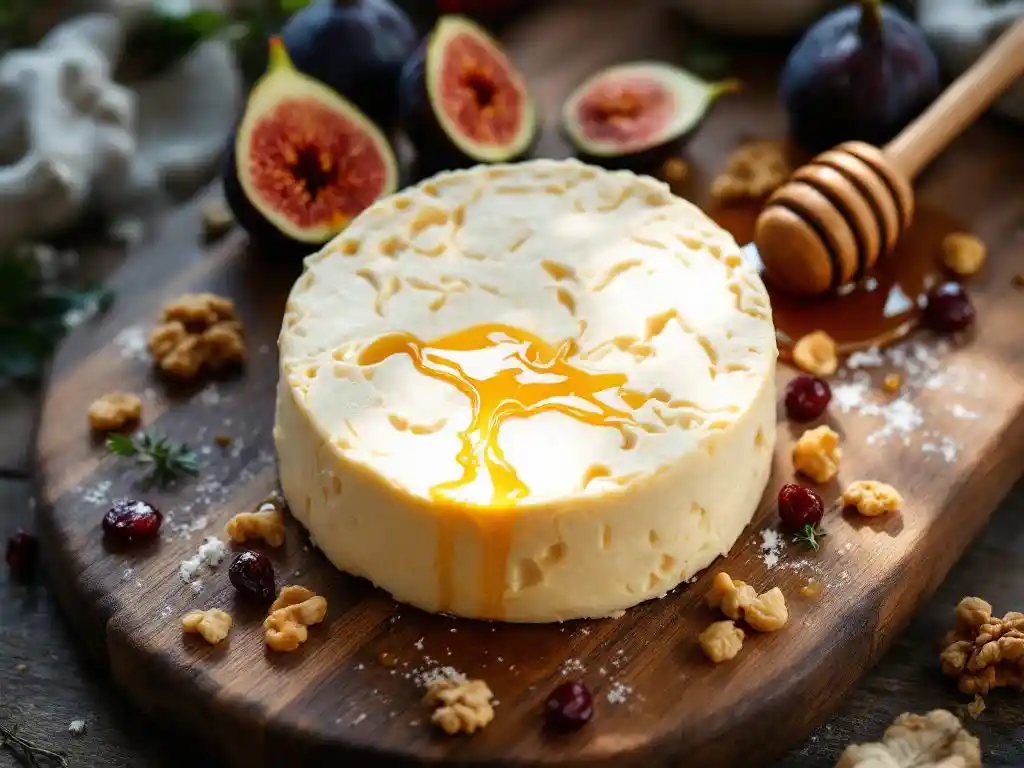
Goat cheese offers unique advantages for businesses developing seasonal product launches throughout the year. Its mild yet distinctive flavour profile adapts beautifully to seasonal ingredients, from fresh spring herbs to warming winter spices. The cheese’s versatile texture allows it to work in both cold summer salads and hearty autumn dishes, making it an ideal year-round ingredient for limited-time offerings. Foodservice businesses increasingly recognise goat cheese as a premium ingredient that commands higher price points while appealing to health-conscious consumers seeking alternatives to traditional dairy products.
What makes goat cheese ideal for seasonal product innovation?
Goat cheese possesses several characteristics that make it exceptionally suitable for seasonal menu development. Its creamy texture and tangy flavour create a perfect canvas for seasonal ingredients, allowing chefs and product developers to highlight fresh, timely flavours without overwhelming them. The cheese melts beautifully for warm applications yet maintains its structure in cold preparations, providing versatility across temperature ranges.
The growing consumer perception of goat cheese as a premium, artisanal ingredient adds value to seasonal offerings. Customers associate goat cheese with quality and sophistication, making them more willing to pay premium prices for limited-time products featuring this ingredient. Its naturally lower lactose content also appeals to the expanding market of consumers with dietary sensitivities.
From a production standpoint, goat cheese’s relatively neutral base flavour accepts infusions and additions exceptionally well. Whether incorporating fresh herbs, dried fruits, nuts, or spices, the cheese maintains its distinctive character while embracing seasonal flavours. This adaptability allows businesses to create truly unique seasonal offerings that stand out in competitive markets.
Which seasonal flavour combinations work best with goat cheese?
Spring combinations celebrate fresh, vibrant flavours that complement goat cheese’s natural tanginess. Fresh herbs like basil, chives, and dill pair beautifully with soft goat cheese, creating light spreads perfect for seasonal sandwiches and salads. Asparagus, peas, and young greens provide textural contrast while maintaining the delicate balance of spring flavours. Lemon zest and edible flowers add visual appeal and subtle aromatic notes that enhance the cheese without overpowering its character.
Summer applications focus on bright, refreshing combinations that work well in both cold and grilled preparations. Stone fruits like peaches and apricots create sweet–savory contrasts that appeal to adventurous palates. Mediterranean flavours including sun-dried tomatoes, olives, and fresh oregano transport customers to sunny destinations. Berry combinations, particularly with strawberries or blackberries, offer crowd-pleasing options for summer cheese boards and salads.
Autumn brings opportunities for warming spice combinations and harvest flavours. Roasted butternut squash, caramelised onions, and sage create comforting flavour profiles perfect for pizzas and gratins. Nuts like walnuts and pecans add textural interest and seasonal appeal. Apple and pear combinations with hints of cinnamon or nutmeg bridge the gap between savoury and sweet applications.
Winter combinations embrace rich, indulgent flavours that complement hearty seasonal dishes. Cranberries, whether fresh or dried, provide festive colour and tart contrast. Truffle-infused goat cheese elevates holiday offerings to luxury status. Root vegetables like roasted beets and carrots create earthy, satisfying combinations perfect for winter salads and warm applications.
How can businesses plan goat cheese seasonal launches throughout the year?
Successful seasonal product planning begins with understanding lead times and production schedules. Most seasonal launches require three to four months of development time, including recipe testing, supplier coordination, and marketing preparation. Creating a year-round calendar helps businesses anticipate seasonal transitions and ensure smooth product introductions. Planning should begin with identifying key seasonal moments relevant to your market, whether traditional holidays, local festivals, or weather-driven menu changes.
Inventory management for seasonal ingredients requires careful coordination with suppliers. Fresh herbs and produce have limited availability windows, while preserved ingredients like dried fruits or nuts offer more flexibility. Building relationships with multiple suppliers ensures consistent quality and availability throughout the season. Consider minimum order quantities and storage requirements when planning seasonal cheese variations.
Marketing alignment plays a crucial role in seasonal launch success. Promotional materials, menu descriptions, and staff training must coincide with product availability. Social media campaigns should build anticipation before launch and maintain momentum throughout the season. Photography and visual merchandising need advance planning to capture seasonal products at their peak appeal.
Testing periods allow refinement before full launch. Soft launches with limited availability help gauge customer response and identify operational challenges. Feedback during these periods enables adjustments to recipes, portion sizes, or pricing strategies. Planning buffer time between development and launch accommodates unexpected delays or reformulation needs.
What are the most profitable goat cheese seasonal applications?
Ready-made salads featuring seasonal goat cheese combinations consistently deliver high profit margins. Premium salad offerings with goat cheese command price points 20–30% higher than standard options while maintaining similar food costs. The cheese’s rich flavour allows smaller portions to deliver maximum impact, improving profitability. Seasonal variations like autumn harvest salads with warm goat cheese medallions or summer berry salads with whipped goat cheese create destination dishes that drive repeat visits.
Seasonal pizza variations incorporating goat cheese offer excellent profit potential through premium positioning. Limited-time pizza specials featuring combinations like fig and goat cheese in autumn or asparagus and goat cheese in spring justify higher menu prices. The cheese’s distinctive flavour profile differentiates these offerings from standard pizza options, attracting customers seeking unique experiences.
Holiday cheese boards and gift sets provide exceptional margin opportunities during peak seasons. Pre-assembled boards featuring seasonal goat cheese varieties, paired accompaniments, and artisanal crackers appeal to time-pressed consumers seeking quality entertaining options. Gift packaging adds perceived value while requiring minimal additional labour. Corporate gift programmes and holiday pre-orders can significantly boost seasonal revenue.
Limited-edition sandwich offerings create urgency and premium pricing opportunities. Seasonal sandwiches featuring speciality goat cheese spreads or melted applications support higher price points than year-round options. The limited availability drives trial and creates social media buzz, particularly when paired with seasonal breads or locally sourced ingredients.
How do packaging and presentation enhance seasonal goat cheese products?
Seasonal packaging transforms standard products into special-occasion purchases. Visual cues like seasonal colours, imagery, and messaging immediately communicate limited availability and create emotional connections with customers. Holiday-themed labels, harvest motifs, or spring florals signal freshness and timeliness. Even simple additions like seasonal sleeve bands or stickers can elevate perceived value without significant packaging investment.
Portion sizing for seasonal products should align with intended usage occasions. Holiday entertaining drives demand for larger-format presentations suitable for cheese boards, while spring picnic season favours individual portions or smaller containers. Gift-ready packaging eliminates barriers to purchase for customers seeking presents or host gifts. Clear windows showcasing the product build appetite appeal and quality perception.
Sustainable packaging increasingly influences seasonal purchasing decisions. Recyclable or compostable materials resonate particularly well during earth-focused seasons like spring. Reusable containers add value for customers while supporting premium pricing. Local sourcing messages on packaging reinforce seasonal connections and support sustainability narratives.
Merchandising and display strategies maximise seasonal product visibility. Creating dedicated seasonal sections or prominent end-cap displays draws attention to limited-time offerings. Cross-merchandising with complementary seasonal products like preserves, crackers, or wines increases basket size. Recipe cards or serving suggestions help customers envision usage occasions and overcome purchase hesitation.
How De Jong Cheese supports seasonal product launches
We understand the unique challenges businesses face when developing seasonal product lines. Our expertise in goat cheese production, combined with flexible manufacturing capabilities, enables us to support your seasonal innovation needs throughout the year. Our approach focuses on collaborative development that brings your seasonal vision to life while ensuring consistent quality and reliable supply.
Our seasonal support services include:
- Custom flavour development incorporating seasonal ingredients and trending flavour profiles
- Flexible production schedules accommodating seasonal demand fluctuations
- Private-label options with seasonal packaging and branding support
- Bulk supply formats optimised for foodservice and industrial applications
- Technical expertise in product formulation and shelf-life optimisation
- Collaborative innovation sessions to develop unique seasonal concepts
We work closely with businesses across the foodservice spectrum, from restaurant chains developing seasonal menu items to retail partners creating exclusive holiday offerings. Our production flexibility allows minimum order quantities that make seasonal launches feasible for businesses of all sizes. Whether you need a spring herb-infused fresh goat cheese for your sandwich programme or a festive cranberry goat cheese log for holiday retail, we provide the expertise and support to make your seasonal launches successful.
Ready to explore how our goat cheese can elevate your seasonal offerings? Visit our foodservice page to discover our complete range of products and capabilities. For specific seasonal development projects or to discuss your unique requirements, contact our team directly. Learn more about where to find our products at various sales points across the country.
Frequently Asked Questions
How far in advance should I start planning a seasonal goat cheese product launch?
Begin planning at least 3-4 months before your intended launch date to allow time for recipe development, supplier coordination, and marketing preparation. For holiday-specific products, consider starting 5-6 months ahead as competition for seasonal ingredients and packaging materials intensifies. Factor in additional time if you’re working with custom packaging or need to secure specific seasonal ingredients from multiple suppliers.
What's the minimum order quantity typically required for custom seasonal goat cheese products?
Minimum order quantities vary significantly depending on the producer and product format, typically ranging from 10-25 kg for foodservice applications to larger quantities for retail private label. Many producers offer more flexible minimums for seasonal products to accommodate limited-time offerings. Consider partnering with other businesses for combined orders or selecting producers who specialise in smaller-batch seasonal production to meet your specific volume needs.
How can I prevent seasonal goat cheese products from cannibalising my year-round offerings?
Position seasonal products as premium upgrades rather than replacements by pricing them 15-25% higher than standard options and emphasising their limited availability. Create distinct flavour profiles that complement rather than compete with core offerings, and use seasonal products to attract new customers who might then try your regular menu. Consider bundling seasonal items with year-round products to drive trial of both categories.
What are the most common mistakes when launching seasonal goat cheese products?
The biggest mistakes include underestimating lead times for ingredient sourcing and overcomplicating flavour combinations that mask the goat cheese’s natural character. Many businesses also fail to properly train staff on seasonal offerings, resulting in poor customer communication about limited availability. Additionally, ordering too much inventory without testing customer response often leads to waste, while ordering too little creates disappointed customers and missed revenue opportunities.
How do I calculate the right pricing for seasonal goat cheese menu items?
Start with your base food cost for the goat cheese component, then add seasonal ingredients and labour costs, aiming for a 25-30% total food cost for premium items. Factor in the limited-time nature by adding a 10-15% premium above similar year-round items. Consider competitor pricing for seasonal offerings and test price points during soft launch periods to find the sweet spot between profitability and customer acceptance.
Which seasonal goat cheese products have the longest shelf life for extended selling periods?
Aged or semi-hard goat cheeses infused with dried ingredients like herbs, spices, or dried fruits typically offer 60-90 days refrigerated shelf life. Vacuum-packed portions and products with lower moisture content extend selling windows. Fresh goat cheese with seasonal coatings or toppings applied just before service maximises shelf life while maintaining quality. Consider frozen goat cheese applications for items like seasonal pizzas or prepared foods to extend availability throughout the season.
How can small businesses compete with larger chains in seasonal goat cheese offerings?
Focus on local partnerships and hyper-seasonal ingredients that larger chains can’t source efficiently, creating truly unique offerings that emphasise your local connection. Leverage social media to build anticipation and showcase behind-the-scenes development, creating personal connections larger businesses can’t match. Partner directly with local goat cheese producers for exclusive flavours and tell the story of your collaboration. Your flexibility to quickly adjust offerings based on customer feedback gives you an advantage over chains with longer development cycles.
Related Articles
- How does the dry matter content of curd affect the yield in a production process?
- How do you create an efficient shortlist of goat cheese producers for the food industry?
- What are the benefits of goat cheese in artisan pizza production?
- How does goat cheese contribute to product differentiation?
- What are traceability requirements for goat cheese?