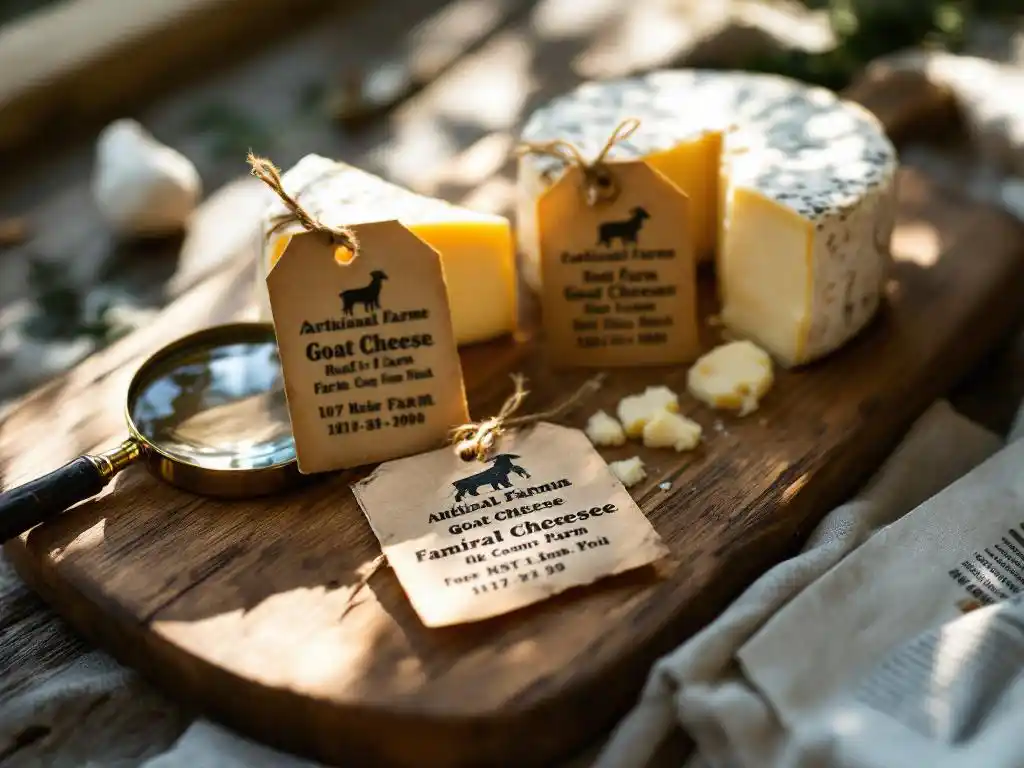
Goat cheese traceability ensures product safety and quality by tracking every step from farm to consumer. It involves documenting the journey of milk from specific goat herds through production, aging, and distribution to final sale. Modern traceability systems help producers meet regulatory requirements, manage recalls effectively, and provide the transparency that today’s B2B buyers demand. Understanding how to implement and maintain these systems is crucial for goat cheese producers serving international markets.
What is food traceability and why does it matter for goat cheese?
Food traceability is the ability to track and document the movement of products through every stage of production and distribution. For goat cheese, this means recording information from the source farm through processing, packaging, storage, and delivery to the final destination. Traceability creates a transparent chain of custody that protects both producers and consumers.
In the dairy industry, traceability systems capture critical data points including milk source, production dates, batch numbers, temperature logs, and distribution records. This documentation becomes essential when addressing food safety concerns or quality issues. For goat cheese specifically, traceability helps verify claims about origin, production methods, and special certifications that command premium prices in the market.
Regulatory requirements drive much of today’s traceability implementation. The European Union requires comprehensive tracking under regulations like EC 178/2002, while the United States enforces similar standards through the Food Safety Modernization Act. These regulations mandate that producers can trace products one step forward and one step back in the supply chain within specified timeframes.
Consumer demand for transparency has elevated traceability from regulatory compliance to competitive advantage. B2B buyers increasingly request detailed product histories to meet their own customer expectations. Effective traceability systems build trust by demonstrating commitment to quality and safety throughout the production process.
How does traceability work throughout the goat cheese supply chain?
Goat cheese traceability begins at the farm level with detailed records of each goat herd. Farmers document animal health records, veterinary treatments, feed sources, and milk production data. Each batch of milk receives a unique identifier that follows it through collection and transport to the cheese facility. This farm-level documentation forms the foundation of the entire traceability system.
During milk collection, quality tests verify safety parameters while recording results against specific batch numbers. Transport documentation captures temperature logs, collection times, and chain-of-custody transfers. Once milk arrives at the production facility, these records link to production batch codes that identify the specific cheese-making session.
The cheese-making process generates additional tracking points. Production logs document ingredients, processing parameters, and quality control results. Each cheese wheel or batch receives identification that connects to source milk, production date, and responsible personnel. During aging, environmental monitoring systems track temperature and humidity conditions that affect product quality.
Distribution tracking continues the documentation chain through warehousing and delivery. Shipping records capture storage conditions, transport routes, and delivery confirmations. At the point of sale, whether to foodservice or retail, final documentation completes the traceability record. This comprehensive approach enables rapid response to any quality concerns by identifying affected batches and their locations.
What are the key traceability requirements for goat cheese producers?
European Union regulations establish strict traceability standards for all food producers, including goat cheese manufacturers. EU Regulation 178/2002 requires businesses to identify suppliers and customers for all food products. Producers must maintain records for at least five years and be able to provide information to authorities within four hours of a request. These requirements apply to all stages of production, processing, and distribution.
The FDA Food Safety Modernization Act (FSMA) introduces preventive controls and traceability requirements for US markets. Under FSMA, goat cheese producers must maintain records of immediate previous sources and immediate subsequent recipients. The proposed Food Traceability Rule would require additional recordkeeping for specific critical tracking events throughout the supply chain.
International certification standards like BRC (British Retail Consortium) and IFS (International Featured Standards) include detailed traceability requirements. These standards mandate documented procedures for product identification, traceability testing, and recall procedures. Certification audits verify that traceability systems can track products effectively through practical exercises.
Organic and specialty certifications add layers to traceability requirements. Organic producers must document the organic status of all inputs and maintain separation from conventional products. Country-specific import requirements often include additional documentation such as health certificates, laboratory results, and origin declarations. Record retention periods vary by regulation but typically range from two to five years.
Which technologies support goat cheese traceability systems?
RFID (Radio Frequency Identification) and barcode systems provide automated tracking throughout goat cheese production. These technologies enable rapid data capture at critical control points, reducing manual entry errors. Barcodes work well for batch-level tracking, while RFID tags can identify individual cheese wheels through aging and distribution. Modern scanning systems integrate with production databases to create real-time traceability records.
Blockchain technology offers immutable record-keeping for supply chain transparency. Each transaction or transfer creates a permanent record that cannot be altered retroactively. This technology particularly benefits international trade, where multiple parties need access to verified product histories. Several dairy industry initiatives explore blockchain for enhanced consumer trust.
IoT (Internet of Things) sensors continuously monitor environmental conditions during production and storage. Temperature and humidity sensors create automatic records that verify proper handling throughout the supply chain. These systems send alerts when conditions exceed acceptable ranges, enabling corrective action before product quality suffers.
Cloud-based software platforms centralize traceability data from multiple sources. These systems connect production records, quality results, and distribution data in accessible formats. Mobile applications allow field personnel to update records in real time, improving data accuracy. Integration capabilities enable these platforms to exchange information with customer ERP systems, streamlining B2B transactions.
How can small goat cheese producers implement effective traceability?
Small producers can begin with paper-based systems that capture essential traceability information. Simple logbooks recording milk sources, production dates, and batch numbers provide basic tracking capability. Standardized forms ensure consistent data collection across different personnel. These manual systems, while labor-intensive, meet regulatory requirements and establish good documentation habits.
Identifying critical control points helps focus limited resources on essential tracking. Key points include milk receipt, starter culture addition, packaging, and product dispatch. By concentrating on these crucial stages, small producers create effective traceability without overwhelming complexity. Regular reviews identify opportunities to expand tracking as operations grow.
Scalable digital solutions offer pathways from paper to electronic systems. Spreadsheet programs provide intermediate steps between manual records and dedicated software. Cloud-based traceability platforms offer subscription models that grow with business needs. Starting with basic digital tools builds familiarity before investing in comprehensive systems.
Staff training ensures consistent implementation regardless of system complexity. All personnel must understand their role in maintaining traceability records. Regular practice exercises, such as mock recalls, verify system effectiveness and identify improvement areas. Preparing for audits through internal reviews builds confidence and demonstrates system reliability to customers and regulators.
How DeJong Cheese helps with traceability needs
We understand the complexities B2B partners face with traceability requirements across different markets. Our comprehensive tracking systems monitor every step from our partner farms through to delivery at your facility. Each batch of our goat cheese products comes with complete documentation that integrates smoothly with your quality systems.
Our traceability support includes:
- Batch-specific documentation for all products, including source farm details
- Temperature monitoring records throughout production and transport
- Certificates for BRC, IFS, and other international standards
- Custom documentation formats that match your system requirements
- Digital data transfer options for seamless integration
- Dedicated support team for audit preparation and compliance questions
For private label partners, we extend our traceability systems to support your brand requirements. We maintain separate documentation streams that protect your commercial interests while meeting all regulatory obligations. Our team works closely with your quality assurance personnel to ensure smooth information flow.
Ready to discuss how our traceability systems can support your business needs? Explore our product range, check distribution information, or contact us directly to discuss your specific traceability requirements.
Frequently Asked Questions
How much does it cost to implement a traceability system for small-scale goat cheese production?
Initial costs vary significantly based on the chosen approach. Paper-based systems require minimal investment (under €500) for forms and filing systems, while basic digital solutions like spreadsheet templates cost €50-200 monthly. Comprehensive cloud-based platforms range from €200-1,000 monthly depending on features and volume, but many offer scalable pricing that grows with your business.
What happens if I discover a gap in my traceability records during an audit?
Document the gap immediately and implement corrective actions to prevent recurrence. Most auditors focus on your response and improvement plans rather than perfection. Create a corrective action report detailing the root cause, immediate fixes, and long-term preventive measures. Regular internal audits help identify and address gaps before official inspections.
Can I use the same traceability system for both conventional and organic goat cheese production?
Yes, but you must maintain clear separation and identification protocols within the system. Use distinct batch codes, color-coding, or separate documentation streams to prevent mixing. Your system should track organic certification status of all inputs and clearly identify organic products throughout processing and storage. Many software platforms include built-in features for managing multiple certification schemes.
How quickly should I be able to complete a mock recall exercise?
Industry best practice targets completion within 2-4 hours for identifying affected products and their locations. Start by tracing one batch through your system, documenting the time required at each step. Regular practice improves speed and identifies bottlenecks. Focus first on accuracy, then work on reducing completion time through system improvements and staff training.
What traceability information do B2B customers typically request beyond regulatory requirements?
B2B buyers often request sustainability metrics, animal welfare documentation, and carbon footprint data. They may want detailed allergen management records, water usage information, or social compliance certifications. Some customers require real-time access to batch-specific test results or temperature logs through API connections. Understanding these expectations early helps you design systems that meet both regulatory and commercial needs.
How do I maintain traceability when using multiple milk suppliers or co-packers?
Create supplier agreements that specify their traceability obligations and data formats. Implement receiving procedures that verify and link supplier documentation to your internal systems. When using co-packers, establish clear batch coding protocols that maintain connection to source materials. Regular supplier audits and data validation checks ensure consistent information quality across all sources.
Related Articles
- How do you ensure traceability from milk to final product when buying goat cheese?
- How do you scale up the procurement of aged goat cheese with growing production volumes?
- What makes goat cheese suitable for ready to eat salads?
- How does goat cheese enable unique flavour combinations?
- Is goat cheese aged?