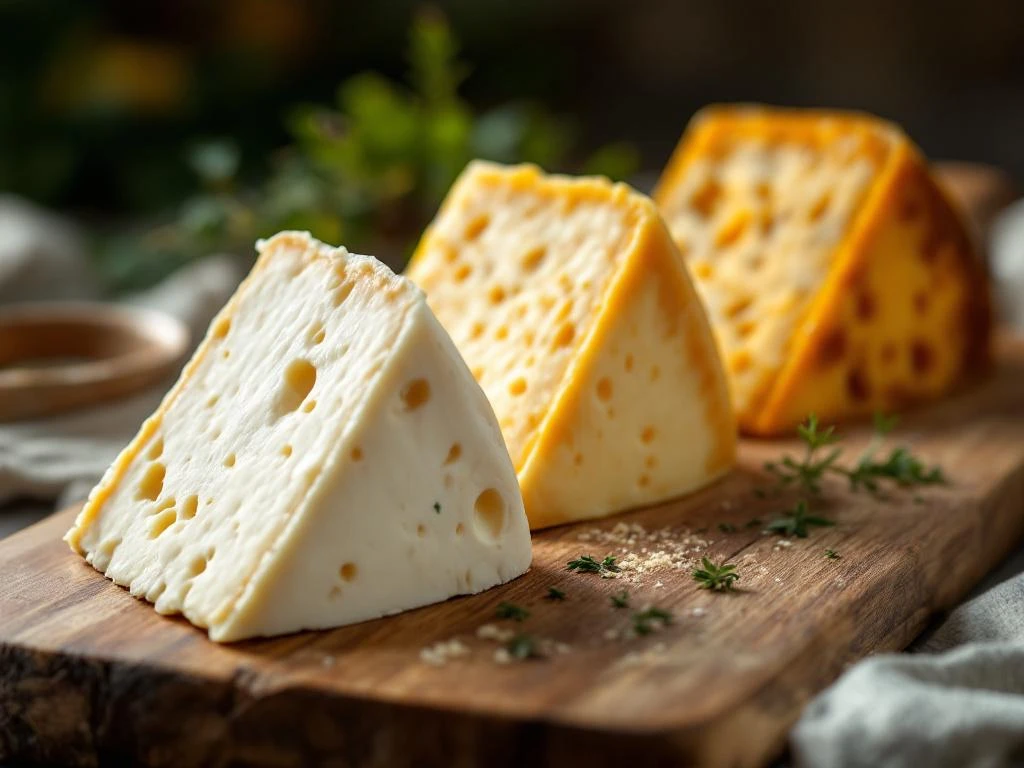
Maturation levels fundamentally determine how goat cheese performs in culinary applications, transforming texture, flavour, and functionality. Fresh goat cheese (0-7 days) offers mild tanginess and spreadable consistency, while aged varieties develop complex flavours and firmer textures over weeks or months. Understanding these goat cheese maturation stages helps chefs and food professionals select the ideal variety for specific dishes, from delicate salads requiring fresh cheese’s brightness to robust gratins demanding aged cheese’s depth.
What are the different maturation levels of goat cheese?
Goat cheese maturation progresses through distinct stages, each creating unique characteristics that define its culinary applications. The goat cheese ripening process begins with fresh varieties aged 0-7 days, featuring high moisture content and creamy, spreadable textures. These young cheeses maintain bright, tangy flavours with subtle goat milk notes.
As maturation extends to 2-4 weeks, soft-ripened goat cheeses develop delicate white rinds through surface cultures. Moisture content decreases gradually, creating firmer exteriors while maintaining creamy centres. Semi-hard varieties emerge after 4-8 weeks of ageing, developing golden rinds and more concentrated flavours through continued moisture loss.
Aged goat cheeses mature for several months, sometimes exceeding a year. These varieties develop hard textures, complex nutty flavours, and natural rinds that protect the cheese during extended ageing. Each maturation stage creates distinct possibilities for culinary professionals seeking specific textures and flavour profiles.
How does aging change what goat cheese tastes like?
The transformation of what does goat cheese taste like during maturation involves complex biochemical changes that create increasingly sophisticated flavour profiles. Fresh goat cheese presents mild, lemony notes with subtle tanginess and clean dairy flavours. These delicate characteristics make fresh varieties ideal for applications requiring bright, uncomplicated tastes.
During the ripening process, proteins break down into smaller compounds, intensifying savoury notes and creating sharper flavours. Moisture loss concentrates existing flavour compounds, while enzymatic activity develops new taste dimensions. Soft-ripened varieties introduce earthy, mushroom-like notes from rind cultures, adding complexity to the original tangy base.
Extended ageing produces remarkable flavour evolution. Semi-hard goat cheeses develop caramel undertones and nutty characteristics, while aged varieties can exhibit bold, piquant flavours reminiscent of aged cheddar. Some well-matured goat cheeses even develop crystalline textures and umami-rich profiles that rival traditional aged cow’s milk cheeses.
Which goat cheese maturation level works best for cooking?
Different maturation levels excel in specific culinary applications based on their melting properties, texture retention, and flavour contributions. Fresh goat cheese performs brilliantly in cold preparations like salads, spreads, and dips, maintaining its creamy texture without heat exposure. Its high moisture content makes it ideal for incorporating into batters, creating tender baked goods with subtle tang.
Soft-ripened goat cheeses shine in warm applications where gentle melting enhances dishes. These varieties work wonderfully in baked tarts, stuffed vegetables, and gratins where moderate heat creates luxurious textures. The rind adds depth without overwhelming delicate preparations, making them versatile for both savoury and sweet applications.
Semi-hard and aged goat cheeses provide structure and intense flavour to cooked dishes. Their lower moisture content prevents excessive melting, making them perfect for grating over pasta, incorporating into sauces, or creating crispy cheese crisps. Aged goat cheese uses include flavouring soups, enhancing risottos, and providing umami depth to vegetable dishes.
What’s the difference between fresh and aged goat cheese in recipes?
The distinction between fresh vs aged goat cheese in culinary applications centres on moisture content, texture behaviour, and flavour intensity. Fresh goat cheese contains 60-80% moisture, creating creamy textures that blend smoothly into sauces, spreads easily on bread, and crumbles delicately over salads. This high moisture content can affect baking, requiring recipe adjustments to prevent excess liquid.
Aged goat cheeses, with moisture levels below 40%, behave more like hard cheeses in recipes. They grate cleanly, melt gradually, and maintain distinct pieces when crumbled. Their concentrated flavours mean smaller quantities deliver significant impact, making them economical choices for flavour enhancement. Understanding these differences helps professionals select appropriate varieties for specific preparations.
Temperature sensitivity varies significantly between fresh and aged varieties. Fresh goat cheese softens quickly at room temperature, requiring careful handling in warm kitchens. Aged varieties remain stable longer, making them practical for buffet presentations or dishes requiring extended preparation times. For those seeking comprehensive guidance on cheese applications, you can explore professional cheese solutions for the food industry.
Why does maturation level matter when pairing goat cheese?
Maturation levels create distinct pairing opportunities by influencing texture, flavour intensity, and complementary characteristics. Fresh goat cheese pairs beautifully with crisp white wines like Sauvignon Blanc or Albariño, where bright acidity mirrors the cheese’s tangy profile. Berry fruits, particularly strawberries and raspberries, enhance fresh cheese’s delicate sweetness while honey adds luxurious contrast.
Soft-ripened goat cheeses require more nuanced pairings. Light red wines or fuller-bodied whites complement their earthy notes, while stone fruits like peaches and apricots echo their creamy textures. Toasted nuts, especially almonds and hazelnuts, provide textural contrast while enhancing subtle nutty undertones developing during early maturation.
Aged goat cheeses demand bold accompaniments that match their intensity. Full-bodied red wines, port, or even whisky create harmonious pairings. Dried fruits, particularly figs and dates, complement caramelised notes in aged varieties. Dark honey, quince paste, or mostarda provide sweet-savoury balance that highlights complex flavour profiles developed through extended maturation.
Making the most of goat cheese maturation in your kitchen
Selecting appropriate maturation levels enhances both everyday cooking and special presentations. Fresh goat cheese requires refrigeration and consumption within days of opening, making it ideal for high-turnover operations. Store wrapped in original packaging or wax paper to maintain optimal moisture levels. Serve at room temperature for maximum flavour expression, removing from refrigeration 20-30 minutes before use.
Semi-hard and aged varieties offer extended shelf life when properly stored. Wrap in cheese paper or parchment, avoiding plastic that traps moisture and accelerates spoilage. These cheeses benefit from dedicated cheese storage areas with controlled humidity. Professional kitchens often maintain cheese caves or specialised refrigeration to preserve quality across various maturation levels.
Understanding maturation transforms cheese service from simple accompaniment to sophisticated culinary element. Create cheese boards showcasing maturation progression, educating diners about flavour evolution. Incorporate multiple maturation levels within single dishes, using fresh cheese for brightness, soft-ripened for richness, and aged for depth. This comprehensive approach maximises goat cheese potential across diverse culinary applications, elevating both simple preparations and complex compositions through informed selection and handling.
Related Articles
- What import risks do you face with goat cheese from outside the Netherlands?
- What are the benefits of a cheese producer that uses 70% wind energy?
- What are vacuum packaging benefits for goat cheese?
- What are the benefits of consistent goat cheese supply partnerships?
- How to present goat cheese in a buffet?