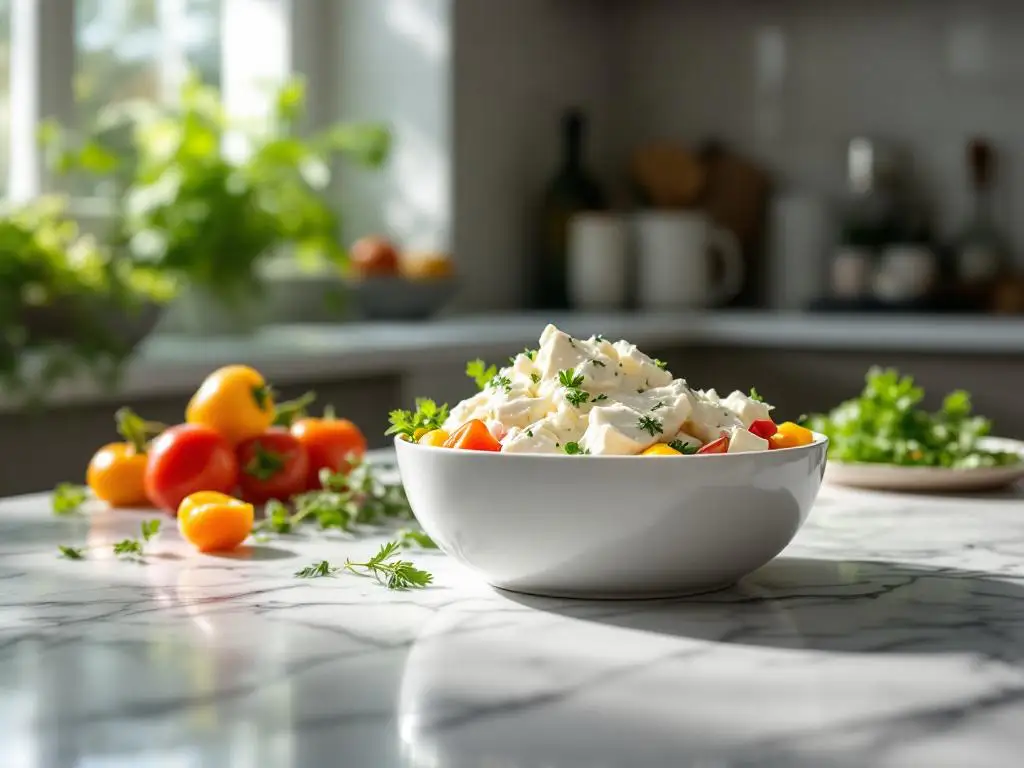
Goat cheese transforms chilled meal innovation through its unique combination of creamy texture, distinctive flavour profile, and exceptional stability at refrigerated temperatures. Unlike traditional cow’s milk cheeses, goat cheese maintains its smooth consistency and fresh taste throughout extended cold storage, making it an ideal ingredient for ready meals, meal kits, and convenience food products. Food manufacturers increasingly recognise goat cheese as a premium ingredient that addresses consumer demands for sophisticated, healthy, and convenient meal options.
What makes goat cheese ideal for chilled meal innovation?
Goat cheese offers exceptional properties that make it perfect for chilled meal development. Its naturally creamy texture remains stable during cold storage, preventing the grainy or separated consistency that often affects other cheeses. The tangy, distinctive flavour profile adds sophistication to ready meals without overpowering other ingredients, while its versatility allows incorporation into diverse cuisines and applications.
The molecular structure of goat cheese contributes to its superior performance in chilled products. Smaller fat globules compared to cow’s milk cheese create a naturally smoother texture that does not harden or become rubbery when refrigerated. This characteristic ensures consistent quality from production through to consumption, addressing a major challenge in chilled meal manufacturing.
Modern consumers seek premium, convenient meal options that do not compromise on quality or taste. Goat cheese delivers on both fronts, offering a gourmet ingredient that elevates simple ready meals to restaurant-quality experiences. Its clean-label appeal and association with artisanal production methods resonate strongly with health-conscious consumers who value authenticity and craftsmanship in their food choices.
How does goat cheese enhance flavour profiles in ready meals?
Goat cheese elevates taste experiences in chilled meals through its ability to complement and balance complex flavour combinations. Its mild tanginess pairs beautifully with Mediterranean ingredients like sun-dried tomatoes and olives, while its creamy richness balances spicy elements in Mexican- or Asian-inspired dishes. This versatility allows product developers to create sophisticated flavour profiles that differentiate their offerings in the competitive ready-meal market.
The cheese’s natural umami notes enhance savoury applications without requiring additional flavour enhancers or artificial ingredients. In pasta dishes, goat cheese creates luxurious sauces that coat ingredients evenly, delivering consistent taste in every bite. For salads and grain bowls, crumbled goat cheese adds textural interest while providing bursts of creamy, tangy flavour that complement fresh vegetables and proteins.
Product differentiation becomes easier when incorporating goat cheese into ready-meal formulations. Premium positioning comes naturally with goat cheese, as consumers associate it with gourmet dining and artisanal quality. This perception allows manufacturers to command higher price points while delivering genuine value through superior taste and ingredient quality.
What are the texture benefits of using goat cheese in chilled products?
Goat cheese contributes optimal texture to cold applications through its unique melting properties and stability. Unlike many cheeses that become hard or waxy when chilled, goat cheese maintains a pleasant, creamy consistency that enhances mouthfeel in ready meals. This stability prevents common texture issues such as oil separation or protein clumping that can occur during refrigerated storage of dairy-based products.
The cheese’s ability to retain moisture helps maintain product quality throughout shelf life. In sandwiches and wraps, goat cheese acts as a barrier that prevents bread from becoming soggy while adding creamy richness. For pasta salads and grain-based meals, it coats ingredients evenly without congealing or forming unappetising clumps when cold.
Temperature fluctuations during distribution and storage pose minimal risk to goat cheese texture. Its resilient structure withstands repeated temperature changes better than many alternative cheeses, ensuring consistent product quality from manufacture to consumption. This reliability reduces waste and customer complaints related to texture degradation.
Which types of chilled meals work best with goat cheese?
Successful goat cheese applications span multiple chilled meal categories, with salads representing one of the most popular uses. Fresh goat cheese crumbles add protein and creamy texture to green salads, grain bowls, and composed salads. In pasta dishes, goat cheese creates rich, stable sauces for both hot-served and cold pasta salads, maintaining smooth consistency without separation.
Sandwiches and wraps benefit from goat cheese’s spreadable consistency and complementary flavour profile. Popular combinations include:
- Roasted vegetable wraps with herbed goat cheese
- Grilled chicken sandwiches with sun-dried tomato goat cheese spread
- Mediterranean flatbreads featuring goat cheese and olives
- Breakfast wraps combining goat cheese with eggs and vegetables
Pizza and flatbread applications showcase goat cheese’s melting properties while maintaining distinct flavour. Meal-kit producers particularly value goat cheese for its portion-friendly packaging options and ability to maintain quality during home storage. The cheese pairs exceptionally well with ingredients such as beetroot, walnuts, honey, figs, and fresh herbs, enabling creative menu development.
How does goat cheese meet modern consumer demands in convenience food?
Goat cheese aligns perfectly with current market trends towards health-conscious eating and premium positioning. Its naturally lower lactose content appeals to consumers with mild dairy sensitivities, while the easier digestibility compared with cow’s milk cheese addresses wellness concerns. Clean-label requirements are easily met with traditional goat cheese production methods that avoid artificial additives and preservatives.
The protein content and nutritional profile of goat cheese support health-focused product positioning. Rich in essential nutrients including calcium, phosphorus, and B vitamins, goat cheese adds nutritional value to convenience meals. Its lower calorie count compared with many hard cheeses appeals to weight-conscious consumers seeking satisfying yet lighter meal options.
Consumer perception strongly favours goat cheese as a premium, artisanal ingredient worth paying more for. Market research consistently shows that products featuring goat cheese command higher prices and attract quality-focused consumers. This premium perception extends across demographics, from millennials seeking Instagram-worthy meals to older consumers valuing traditional craftsmanship and authentic flavours.
How does DeJong Cheese support chilled meal innovation?
DeJong Cheese provides comprehensive solutions for chilled meal manufacturers seeking to incorporate premium goat cheese into their product lines. Our extensive range includes both fresh and ripened goat cheeses, available in bulk packaging formats designed for efficient production processes. We understand the unique challenges of chilled meal manufacturing and offer technical support to ensure optimal product performance.
Our foodservice capabilities include:
- Custom formulation development for specific applications
- Private-label production to meet brand requirements
- Flexible packaging options from retail to industrial sizes
- Technical guidance on incorporation methods and shelf-life optimisation
- Consistent quality backed by the highest food safety certifications
We work closely with product development teams to create innovative solutions that meet market demands while maintaining cost efficiency. Our family tradition of artisanal cheese-making, combined with modern production capabilities, ensures a reliable supply of premium goat cheese for your chilled meal innovations. Whether you need fresh goat cheese for salads, ripened varieties for gourmet applications, or custom blends for unique flavour profiles, our team provides the expertise and flexibility to support your success.
Ready to elevate your chilled meal offerings with premium goat cheese? Explore our complete product range or contact our team to discuss your specific requirements. Discover how our goat cheese can transform your products at selected locations.
Frequently Asked Questions
How long does goat cheese maintain its quality in chilled ready meals?
Goat cheese typically maintains optimal quality for 5-7 days in properly refrigerated ready meals, though this varies based on packaging and other ingredients. Vacuum-sealed portions can extend shelf life to 10-14 days, while modified atmosphere packaging (MAP) can achieve even longer stability. Working with experienced suppliers like DeJong ensures you receive guidance on maximising shelf life for your specific application.
What's the best way to incorporate goat cheese into hot-fill chilled meal production?
For hot-fill applications, add goat cheese after the primary cooking phase when temperatures drop below 60°C to preserve its texture and prevent separation. Consider using stabilised goat cheese formulations specifically designed for thermal processing, or add the cheese as a separate component that consumers mix in before eating. This approach maintains the cheese’s premium texture and flavour while ensuring food safety standards.
How can I prevent goat cheese from overpowering other flavours in my ready meal formulation?
Start with mild, fresh goat cheese varieties and use them at 10-15% of total product weight for balanced flavour integration. Pair goat cheese with complementary ingredients like honey, herbs, or roasted vegetables that enhance rather than compete with its tangy profile. Consider using goat cheese blends that combine it with cream cheese or ricotta for a milder flavour that still delivers the desired creamy texture and premium appeal.
What are the most common mistakes when using goat cheese in chilled meal manufacturing?
The biggest mistakes include overheating during production (causing separation), using too much cheese (creating overwhelming tanginess), and poor moisture management leading to dry or crumbly textures. Additionally, failing to account for goat cheese’s continued flavour development during storage can result in stronger-than-intended taste profiles. Always conduct shelf-life testing and adjust formulations based on sensory evaluation at different storage points.
How do I calculate the cost-benefit ratio of switching from regular cheese to goat cheese in my products?
Calculate the premium pricing potential (typically 15-25% higher) against the increased ingredient cost, factoring in reduced waste from better stability and fewer customer complaints. Consider that goat cheese often allows for lower usage rates due to its stronger flavour impact, potentially offsetting some cost increases. Many manufacturers find that the combination of premium positioning, improved product quality, and expanded market appeal delivers ROI within 6-12 months of launch.
Which certifications should I look for when sourcing goat cheese for ready meals?
Essential certifications include GFSI-recognised standards like BRC or IFS for food safety, plus specific requirements for your target markets such as organic, halal, or kosher certifications. For European markets, PDO (Protected Designation of Origin) certification can add premium value. Ensure your supplier maintains consistent traceability and can provide certificates of analysis for each batch, particularly important for export markets with strict import requirements.
Related Articles
- How does COKZ inspection work at a Dutch goat cheese producer?
- What are the minimum order quantities for industrial goat cheese pucks?
- How do you shorten the search process for finding the right supplier of high-melt goat cheese?
- What are the advantages of flexible goat cheese packaging options?
- Is goat cheese a good protein source?