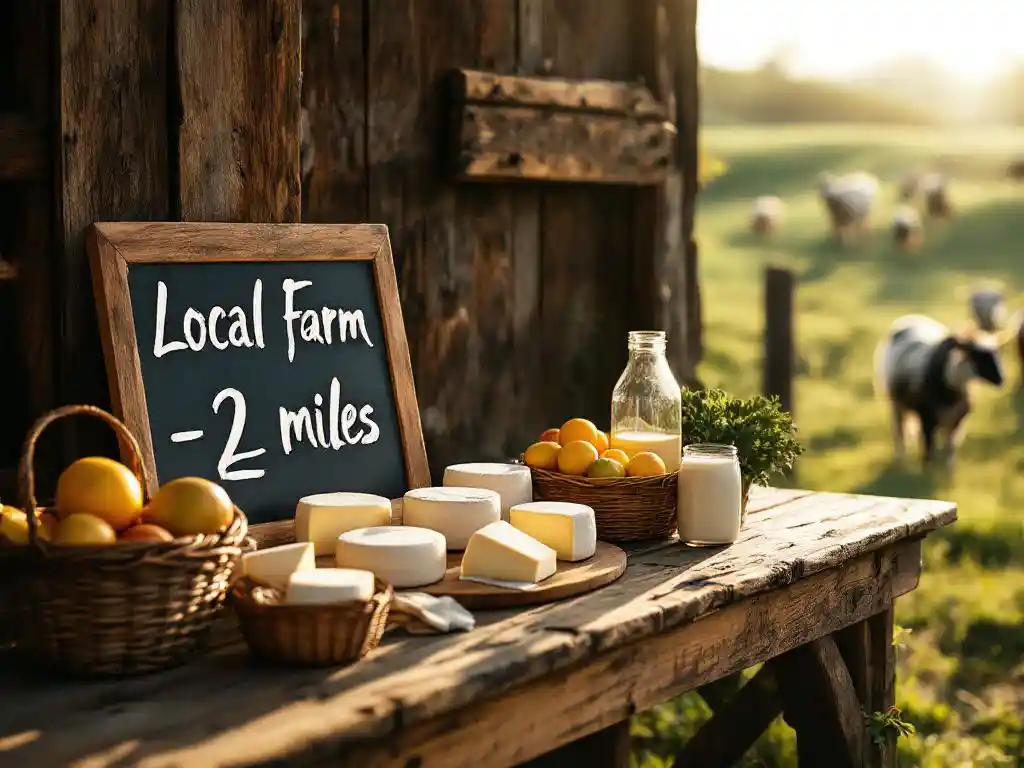
Goat cheese presents unique advantages for businesses pursuing local sourcing strategies, offering both practical benefits and alignment with growing consumer preferences for locally produced foods. The characteristics of goat cheese production, from smaller-scale farming operations to artisanal production methods, make it particularly well suited to local partnerships that strengthen supply chains while supporting sustainability goals. Understanding how goat cheese fits into local sourcing initiatives helps businesses make informed decisions about their procurement strategies.
What makes goat cheese ideal for local sourcing initiatives?
Goat cheese production naturally aligns with local sourcing models due to the scale and nature of goat farming operations. Most goat dairy farms operate on a smaller scale than cow dairy operations, making them ideal partners for businesses seeking local suppliers. These farms typically maintain herds of 50–500 goats, allowing for more personalised production methods and direct relationships with buyers.
The artisanal production methods common in goat cheese making complement local food movements perfectly. Traditional cheesemaking techniques passed down through generations create unique flavour profiles that reflect local terroir. This connection between the cheese’s characteristics and its geographic origin gives businesses authentic stories to share with customers who value transparency and provenance in their food choices.
Regional production capabilities of goat cheese makers offer flexibility that larger industrial operations cannot match. Small to medium-sized goat cheese producers can adapt recipes, adjust production volumes, and create custom products based on specific business needs. This responsiveness makes them valuable partners for restaurants, specialty retailers, and food manufacturers looking for distinctive products that set them apart in competitive markets.
How does local goat cheese sourcing benefit your supply chain?
Local goat cheese sourcing delivers immediate supply chain advantages through reduced transportation distances and simplified logistics. Shorter delivery routes mean fresher products reach businesses within days or even hours of production, maintaining optimal quality and extending shelf life. This proximity eliminates the complexity of long-distance shipping, reducing the risk of temperature fluctuations and handling issues that can compromise product quality.
The flexibility in ordering and customisation offered by local suppliers transforms procurement processes. Businesses can place smaller, more frequent orders that match actual demand, reducing waste and storage requirements. Local producers often accommodate special requests for custom flavours, specific ageing periods, or unique packaging formats that meet particular business needs.
Direct communication with local suppliers creates stronger partnerships built on mutual understanding and shared goals. Regular face-to-face interactions allow for immediate feedback, collaborative problem-solving, and joint product development. This level of engagement leads to better quality control, as businesses can visit production facilities, understand processes, and ensure standards are consistently met.
What sustainability advantages come from sourcing goat cheese locally?
Local goat cheese sourcing significantly reduces carbon emissions associated with food transportation. When cheese travels shorter distances from farm to business, fuel consumption and greenhouse gas emissions decrease substantially. This reduction in food miles appeals to environmentally conscious consumers and helps businesses meet their own sustainability commitments.
Small-scale goat farming practices often embrace sustainable agricultural methods that benefit local ecosystems. Goats require less water and feed than cows, and their browsing habits can help manage vegetation naturally. Many local goat farms implement rotational grazing systems that improve soil health and support biodiversity, creating positive environmental impacts beyond cheese production.
Packaging requirements decrease when products travel shorter distances, as extensive protective materials needed for long-haul shipping become unnecessary. Local deliveries can use reusable containers, minimal packaging, or bulk formats that reduce waste. This approach aligns with growing consumer demands for businesses to minimise environmental impact throughout their supply chains.
Which types of businesses benefit most from local goat cheese partnerships?
Farm-to-table restaurants gain competitive advantages by featuring local goat cheese on their menus. These establishments can highlight specific farms, share producer stories, and create seasonal dishes that showcase the connection between local agriculture and culinary excellence. The ability to visit suppliers and understand production methods adds authenticity to their farm-to-table philosophy.
Specialty food retailers and gourmet shops find local goat cheese partnerships particularly valuable for differentiation. These businesses can offer exclusive varieties not available in mainstream supermarkets, host cheese tastings with local producers, and build customer loyalty through unique product selections. The personal relationships with local cheesemakers become part of their brand story.
Meal kit companies and artisanal food manufacturers benefit from the consistency and customisation options local suppliers provide. These businesses can develop signature products using specific goat cheese varieties, ensure a steady supply for their production needs, and maintain quality standards through close supplier relationships. Catering services focused on regional cuisine find local goat cheese essential for creating authentic, locally inspired menus that resonate with clients seeking genuine regional flavours.
How do you evaluate and select local goat cheese suppliers?
Evaluating local goat cheese suppliers begins with assessing their production capacity and ability to scale with your business needs. Consider current production volumes, potential for growth, and flexibility in adjusting output based on seasonal demand. Understanding a supplier’s capacity ensures they can meet your requirements consistently without overextending their operations.
Food safety certifications and quality standards form the foundation of any supplier evaluation. Look for producers with appropriate certifications for your market, whether that includes organic certification, animal welfare standards, or specific food safety protocols. Regular third-party audits, documented HACCP procedures, and traceability systems indicate professional operations committed to consistent quality.
Practical considerations include delivery reliability and logistics capabilities. Evaluate suppliers’ transportation methods, delivery schedules, and ability to maintain cold chain integrity. Consider their responsiveness to urgent orders, communication systems, and problem-resolution processes. The alignment between supplier values and your business philosophy also matters, particularly regarding sustainability practices, animal welfare, and community involvement.
How DeJong Cheese supports local sourcing strategies
We understand the importance of local sourcing partnerships through our own journey as a traditional family business since 1995. Our approach combines artisanal craftsmanship with modern food safety standards, providing the reliability professional buyers need while maintaining the authentic character that makes local sourcing valuable.
Our support for local sourcing strategies includes:
- Flexible production capabilities that accommodate custom orders and specific requirements
- Comprehensive food safety certifications meeting international standards for B2B customers
- Traditional production methods that preserve authentic flavours and regional character
- Dedicated account management for developing long-term partnerships
- Sustainable practices aligned with environmental responsibility goals
We work with businesses across the food industry, from restaurants and specialty retailers to food manufacturers and meal kit companies. Our expertise in both fresh and aged goat cheese varieties allows us to match products to specific business needs, whether for direct sale or ingredient applications.
Ready to explore how local goat cheese sourcing can strengthen your business? Contact our team to discuss your specific sourcing needs.
Frequently Asked Questions
How do I start transitioning from international suppliers to local goat cheese producers?
Begin by sourcing 20-30% of your goat cheese locally while maintaining existing supplier relationships, allowing you to test quality consistency and build trust with local producers. Start with one or two reliable local suppliers for specific product categories, then gradually expand as you develop confidence in their capabilities and establish efficient ordering systems.
What are the typical minimum order quantities for local goat cheese suppliers?
Local goat cheese producers typically offer much lower minimum order quantities than industrial suppliers, often starting at 5-10 kg for restaurants or 20-30 kg for retailers. Many local producers are willing to negotiate minimums based on delivery frequency and long-term partnership potential, making it feasible for smaller businesses to access high-quality artisanal products.
How can I ensure consistent quality when working with multiple small local suppliers?
Establish clear quality specifications and grading standards that all suppliers must meet, including moisture content, texture, and flavour profiles. Schedule regular tastings and quality checks, maintain detailed supplier scorecards, and consider working with a local cheese specialist or consultant who can help standardise evaluation criteria across different producers.
What backup strategies should I have if my local goat cheese supplier faces production issues?
Develop relationships with 2-3 local suppliers to ensure continuity, and maintain a small buffer stock of aged varieties that have longer shelf life. Create contingency agreements with suppliers in neighbouring regions who can step in during emergencies, and consider seasonal menu planning that allows flexibility in cheese selection based on availability.
How do I calculate the true cost difference between local and international goat cheese sourcing?
Factor in hidden costs of international sourcing including inventory carrying costs, product waste from longer shelf life requirements, and currency fluctuation risks. Local sourcing often proves cost-neutral or advantageous when you account for reduced waste (up to 30% less), faster inventory turnover, marketing value of local partnerships, and elimination of import documentation and customs delays.
What seasonal variations should I expect when sourcing goat cheese locally?
Goat milk production naturally peaks in spring and early summer, leading to greater cheese availability and potentially lower prices during these periods. Plan for reduced production in late autumn and winter by stocking aged varieties, adjusting menu offerings, or arranging advance production agreements with suppliers who practice seasonal breeding management.
Related Articles
- How do you use goat cheese crumbles as a finishing touch in chilled meal concepts?
- What are the benefits of a supplier that provides both fresh and frozen goat cheese?
- What form of goat cheese works best in an automated sandwich concept?
- What are the advantages of flexible goat cheese packaging options?
- What packaging options are available for goat cheese?