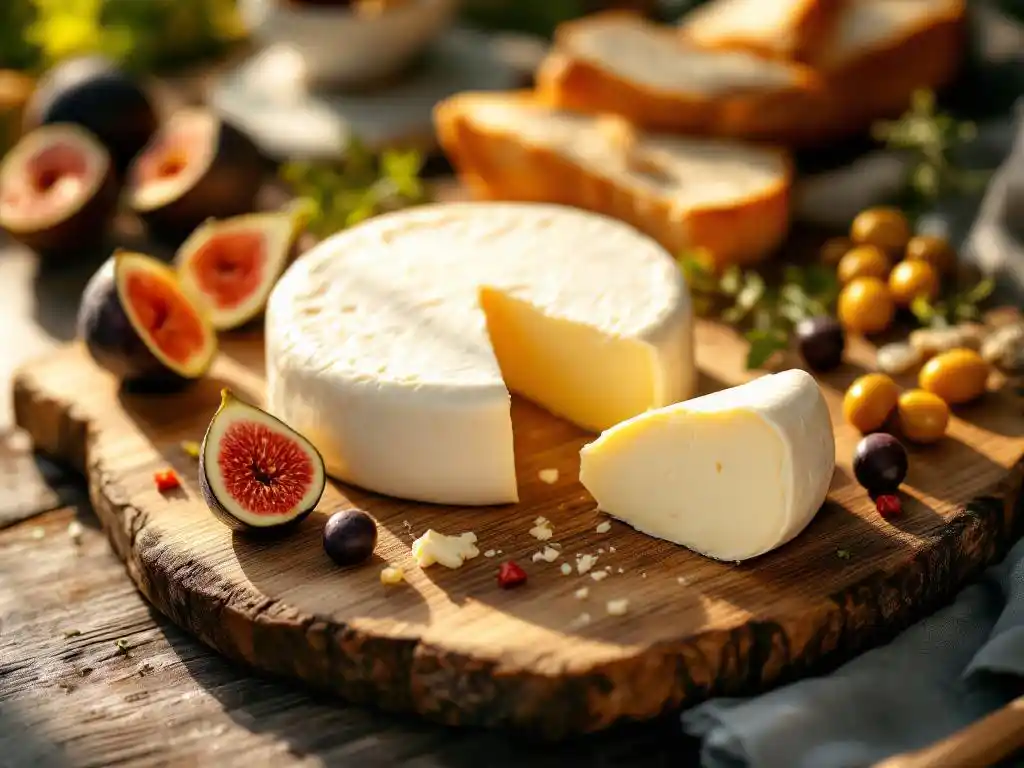
Goat cheese has become an essential ingredient in global food production, valued for its unique properties that enhance various manufactured food products. Food manufacturers worldwide incorporate goat cheese into ready meals, pizzas, salads, and meal kits, benefiting from its distinctive flavour profile, versatile texture, and nutritional advantages. The growing demand for premium and artisanal ingredients has positioned goat cheese as a key component in industrial food applications, offering manufacturers opportunities to differentiate their products while meeting consumer preferences for quality and innovation.
What makes goat cheese unique for food production applications?
Goat cheese offers distinct advantages for food manufacturers through its exceptional textural versatility and mild, tangy flavour that complements both savoury and sweet applications. The cheese’s natural creaminess allows it to melt smoothly without oil separation, while its lower lactose content and easier digestibility appeal to health-conscious consumers. These functional characteristics make goat cheese particularly valuable for creating premium product lines and meeting diverse dietary requirements.
The texture properties of goat cheese vary significantly based on age and processing methods. Fresh goat cheese provides a spreadable consistency, perfect for sandwich fillings and dips, while aged varieties offer firmer textures suitable for crumbling over salads or incorporating into baked goods. This versatility enables manufacturers to select specific goat cheese formats that align with their production processes and desired end-product characteristics.
From a nutritional perspective, goat cheese contains smaller fat globules than cow’s milk cheese, contributing to its distinctively smooth mouthfeel and enhanced digestibility. The cheese naturally contains higher levels of certain nutrients, including vitamin A and medium-chain fatty acids, which support its positioning as a premium ingredient. Food manufacturers leverage these nutritional benefits to create products that appeal to health-conscious consumers while maintaining indulgent taste profiles.
The flavour profile of goat cheese ranges from mild and creamy in fresh varieties to complex and robust in aged options. This spectrum allows food producers to enhance their products with subtle tang or pronounced savoury notes, depending on application requirements. The cheese’s ability to complement herbs, fruits, and vegetables makes it particularly valuable for creating sophisticated flavour combinations in prepared foods.
How is goat cheese incorporated into different food manufacturing processes?
Food manufacturers integrate goat cheese into production processes through various methods tailored to specific product categories and equipment capabilities. In ready-meal production, goat cheese is typically added during the assembly phase, either as chunks for textural contrast or blended into sauces for creaminess. Pizza manufacturers incorporate crumbled goat cheese as a premium topping or blend it with other cheeses for unique flavour profiles, while pasta producers use it in fillings or cream-based sauces.
Temperature stability represents a crucial consideration when incorporating goat cheese into manufactured foods. Fresh goat cheese maintains its properties well under refrigeration but requires careful handling during thermal processing. Manufacturers often add goat cheese after primary cooking stages to preserve its distinctive texture and flavour characteristics. For frozen applications, specific formulations help maintain quality through freeze–thaw cycles.
In sandwich and salad production, goat cheese serves multiple functions. Whipped goat cheese spreads provide moisture and flavour in sandwiches while acting as a barrier to prevent bread from becoming soggy. For salad applications, pre-portioned goat cheese medallions or crumbles offer consistent portion control and visual appeal. Manufacturers often combine goat cheese with herbs or coatings to create signature products that stand out in retail displays.
Meal kit producers value goat cheese for its versatility and premium perception. Pre-portioned goat cheese servings simplify home preparation while ensuring consistent results. The cheese’s compatibility with various cuisines—from Mediterranean to contemporary fusion—allows meal kit companies to offer diverse menu options. Packaging innovations, such as modified-atmosphere packaging, help maintain freshness throughout the distribution chain.
What are the main challenges in goat cheese supply chain management?
Managing goat cheese supply chains presents unique challenges, including maintaining consistent quality across seasonal variations, meeting strict food safety standards, and coordinating international logistics. Goat milk production naturally fluctuates with the seasons, affecting cheese availability and characteristics. Suppliers must implement robust quality control systems to ensure products meet specifications regardless of these variations, while managing inventory to balance supply and demand throughout the year.
Quality control standards for goat cheese require comprehensive testing protocols at multiple stages. Microbiological testing ensures food safety compliance, while sensory evaluation maintains flavour and texture consistency. International markets demand various certifications, including HACCP, BRC, or IFS standards, requiring suppliers to maintain detailed documentation and traceability systems. These requirements become particularly complex when serving multiple countries with different regulatory frameworks.
Packaging variations add complexity to supply chain management. Different applications require specific formats—from bulk packaging for industrial processing to portion-controlled units for meal kits. Each format demands appropriate packaging materials that maintain product integrity while meeting sustainability requirements. Suppliers must balance inventory across multiple SKUs while minimising waste and ensuring product freshness.
Temperature control throughout the distribution network remains critical for maintaining goat cheese quality. The cold chain must remain unbroken from production through delivery, requiring sophisticated logistics coordination. International shipments face additional challenges with varying transport times and potential customs delays. Successful suppliers invest in temperature monitoring systems and contingency planning to ensure product quality regardless of logistical complications.
Which goat cheese formats work best for industrial food production?
Fresh goat cheese in bulk packaging provides maximum flexibility for industrial applications, allowing manufacturers to portion according to specific needs while maintaining cost efficiency. Crumbled formats offer convenience for operations requiring consistent piece sizes, particularly in salad and pizza production. Aged varieties deliver concentrated flavour impact, making them ideal for applications where cheese serves as a primary flavour component rather than just a textural enhancement.
Bulk packaging options vary based on manufacturing requirements and equipment capabilities. Five- to ten-kilogram blocks suit operations with portioning equipment, while pre-crumbled cheese in 2–5 kilogram bags streamlines high-volume production. Some manufacturers prefer goat cheese in paste form for easy incorporation into sauces and fillings. Each format requires specific handling procedures and storage conditions to maintain quality throughout its shelf life.
Custom formulations address specific manufacturing challenges and product objectives. Modified moisture content improves performance in certain applications—lower moisture for better browning in baked products, or higher moisture for enhanced spreadability. Fat content adjustments help achieve desired melt characteristics or nutritional profiles. Suppliers work with manufacturers to develop bespoke solutions that optimise both functionality and cost.
Equipment compatibility significantly influences format selection. Automated portioning systems require consistent cheese characteristics to maintain accuracy and minimise waste. Some production lines benefit from pre-formed portions that eliminate cutting operations, while others need flowable formats for pumping systems. Understanding equipment specifications and production workflows enables suppliers to recommend optimal formats that enhance efficiency while maintaining product quality.
How does De Jong Cheese support global food manufacturers?
We at De Jong Cheese understand the complex needs of global food manufacturers, offering comprehensive solutions that go beyond simply supplying cheese. Our expertise in goat cheese production since 1995 enables us to provide consistent quality, flexible packaging options, and custom product development that meets specific manufacturing requirements. With our highest-level food safety certifications and presence in over 20 countries, we ensure reliable supply chain partnerships that support your international operations.
Our support for food manufacturers includes:
- Custom product development tailored to your specific applications and equipment
- Flexible bulk packaging formats from 2 kg to 10 kg to suit your production needs
- Private-label options that help differentiate your product offerings
- International certifications ensuring compliance across global markets
- Technical support from our team of cheese specialists
- Consistent year-round supply through careful production planning
We recognise that each manufacturer faces unique challenges, from maintaining consistency in large-scale production to creating distinctive products for competitive markets. Our traditional craftsmanship, combined with modern production capabilities, allows us to deliver both authentic quality and industrial reliability. Whether you need fresh goat cheese for ready meals, aged varieties for premium applications, or custom formulations for innovative products, our team works closely with you to develop optimal solutions.
Ready to explore how our goat cheese can enhance your food production? Contact our team to discover our complete range of products and packaging options. For personalised consultation about your specific requirements, reach out directly to discuss your needs. You can also enquire about our distribution network to understand how we can support your logistics requirements.
Frequently Asked Questions
How do I calculate the right amount of goat cheese needed for large-scale production runs?
Calculate goat cheese requirements by considering your product’s cheese percentage, expected yield loss during processing (typically 5-10%), and desired coverage or distribution. For example, if producing 1,000 kg of ready meals with 8% goat cheese content, order approximately 85-90 kg to account for handling losses. Work with your supplier to establish accurate yield factors based on your specific equipment and processes.
What's the best way to prevent goat cheese from clumping during automated dispensing?
Prevent clumping by maintaining consistent cold chain temperatures (2-4°C), using anti-caking agents approved for your market, and ensuring proper moisture control in storage areas. Pre-crumbled goat cheese with coating treatments performs better in automated systems. Additionally, gentle agitation mechanisms and properly sized dispensing openings help maintain consistent flow rates.
How can I extend the shelf life of products containing goat cheese without compromising quality?
Extend shelf life through modified atmosphere packaging (MAP) with optimal gas mixtures, typically 30-40% CO2 and 60-70% N2 for fresh applications. Use natural preservatives like cultured dextrose or rosemary extract, and ensure pH levels remain below 5.2. High-pressure processing (HPP) can also extend shelf life while maintaining fresh characteristics, particularly effective for ready-to-eat applications.
What are common mistakes manufacturers make when switching from cow's milk to goat cheese?
Common mistakes include using identical processing temperatures (goat cheese requires gentler heat treatment), expecting the same melting behaviour (goat cheese melts differently due to protein structure), and not adjusting seasoning levels (goat cheese’s tanginess may require recipe reformulation). Additionally, manufacturers often underestimate storage space needs, as goat cheese typically requires more careful temperature control than cow’s milk cheese.
How do I troubleshoot texture issues when goat cheese becomes grainy in cooked applications?
Grainy texture typically results from excessive heat, rapid temperature changes, or incompatible pH levels in your product. Solve this by adding goat cheese at lower temperatures (below 65°C when possible), incorporating stabilisers like sodium citrate, or adjusting your product’s acidity. Pre-blending goat cheese with a small amount of cream or milk proteins can also help maintain smooth texture during cooking.
What certifications should I look for when sourcing goat cheese for international food production?
Essential certifications include GFSI-recognised standards like BRC, IFS, or SQF for food safety, alongside HACCP implementation. For specific markets, consider Halal or Kosher certification, organic credentials, and animal welfare standards. EU markets require compliance with EC regulations, while US operations need FDA facility registration. Ensure your supplier can provide complete documentation for customs clearance and retail compliance.
How can I develop a signature goat cheese blend for my product line?
Start by defining your target flavour profile, texture requirements, and functional needs (melting, browning, stability). Work with suppliers who offer custom blending services to test combinations of fresh and aged goat cheese, or blends with complementary cheeses. Consider incorporating herbs, spices, or other inclusions during the cheese-making process rather than post-production for better flavour integration. Conduct shelf-life testing early in development to ensure your blend maintains quality throughout your product’s intended lifespan.