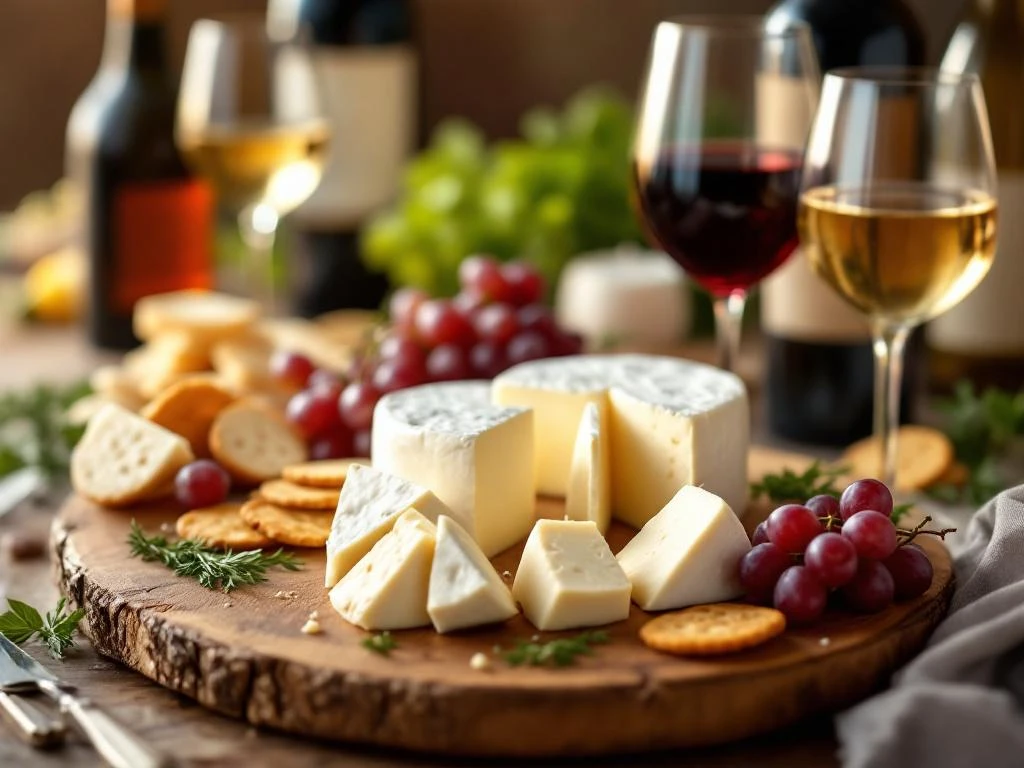
Serving goat cheese at wine tastings requires careful attention to temperature, presentation, and pairing principles to create an exceptional tasting experience. The key is to serve goat cheese at room temperature (18-22°C), arrange it thoughtfully on boards with complementary accompaniments, and match different cheese styles with appropriate wines. Fresh goat cheeses pair beautifully with crisp whites like Sauvignon Blanc, whilst aged varieties complement fuller-bodied wines, creating harmonious flavour combinations that enhance both the cheese and wine.
Understanding goat cheese and wine pairing fundamentals
Goat cheese possesses unique characteristics that make it an ideal companion for wine tastings. Its distinctive tangy flavour profile and creamy texture create versatile pairing opportunities across various wine styles. The natural acidity in goat cheese, derived from capric and caprylic acids, provides a refreshing counterpoint to both crisp whites and light-bodied reds.
The texture of goat cheese varies significantly depending on age and production methods. Fresh varieties offer a smooth, spreadable consistency, whilst aged goat cheeses develop firmer textures with complex flavour notes. These textural differences influence how the cheese interacts with wine on the palate, affecting the overall tasting experience.
The science behind successful pairings involves balancing complementary and contrasting elements. Goat cheese’s inherent acidity pairs naturally with wines of similar acidity levels, creating harmony on the palate. Additionally, the fat content in goat cheese helps soften wine tannins, making it particularly suitable for wine tastings where multiple varieties are sampled.
What temperature should goat cheese be served at during wine tastings?
The optimal serving temperature for goat cheese during wine tastings is 18-22°C (64-72°F), which allows the cheese to express its full flavour potential. Fresh goat cheeses should be removed from refrigeration 30-45 minutes before serving, whilst aged varieties benefit from 45-60 minutes at room temperature.
Temperature dramatically affects both texture and flavour release in goat cheese. Cold cheese remains firm and compact, limiting the release of aromatic compounds. As the cheese warms, its texture becomes creamier and more spreadable, allowing complex flavours to develop on the palate. This temperature-induced transformation is particularly noticeable in ripened goat cheeses, where warming reveals subtle nutty and earthy notes.
To maintain proper temperature throughout the tasting event, consider these practical guidelines:
- Remove only the amount needed for immediate service
- Use marble or slate serving boards that maintain cool temperatures
- Place cheese boards away from direct sunlight or heat sources
- For extended tastings, rotate fresh portions from refrigeration
How do you arrange goat cheese on a wine tasting board?
Creating an appealing goat cheese presentation begins with selecting an appropriate serving board. Natural materials like wood, slate, or marble provide elegant backdrops that complement the cheese’s appearance. Arrange different goat cheese varieties with adequate spacing, allowing 5-7cm between each type to prevent flavour mingling.
The visual arrangement should guide tasters through a logical progression. Position milder, fresh goat cheeses at the beginning of the board, progressing to stronger, aged varieties. This arrangement mirrors the typical wine tasting sequence from light to full-bodied wines. Include small labels identifying each cheese variety to enhance the educational aspect of the tasting.
Essential accompaniments and garnishes enhance both visual appeal and flavour:
- Fresh herbs like thyme or rosemary for aromatic contrast
- Honey drizzles for sweet balance with tangy cheeses
- Toasted nuts for textural variety
- Fresh or dried fruits that complement specific wine pairings
- Neutral crackers or bread that won’t compete with cheese flavours
Proper serving tools elevate the presentation and functionality. Provide separate knives for each cheese type to prevent flavour cross-contamination. Small spoons work well for spreadable varieties, whilst cheese planes suit firmer aged cheeses.
Which wines pair best with different styles of goat cheese?
Fresh goat cheese pairs exceptionally well with crisp white wines that match its bright acidity. Sauvignon Blanc remains the classic pairing, its herbaceous notes complementing the cheese’s tangy profile. Loire Valley wines like Sancerre or Pouilly-Fumé create particularly harmonious combinations. Albariño and Vermentino offer alternative white wine pairings with sufficient acidity and mineral notes.
Aged goat cheeses develop more complex flavours requiring different wine considerations. These firmer cheeses with nutty, caramelised notes pair beautifully with medium-bodied white wines like Viognier or aged Chenin Blanc. Light-bodied red wines such as Pinot Noir or Beaujolais provide interesting contrasts without overwhelming the cheese’s delicate nature.
| Goat Cheese Style | Recommended Wine Pairings | Flavour Harmony |
|---|---|---|
| Fresh/Spreadable | Sauvignon Blanc, Albariño, Rosé | Matching acidity, citrus notes |
| Herb-Crusted | Grüner Veltliner, Verdicchio | Herbal echoes, mineral finish |
| Aged/Ripened | Viognier, Light Pinot Noir | Complementary richness, subtle tannins |
| Goat Brie Style | Champagne, Crémant | Bubbles cleanse creamy texture |
Flavoured goat cheeses with additions like honey, herbs, or truffles require thoughtful pairing approaches. Honey-infused varieties pair wonderfully with aromatic wines like Gewürztraminer or late-harvest Riesling. Herb-crusted options complement wines with similar botanical notes, whilst truffle-enhanced cheeses match well with earthy reds like Nebbiolo.
Key takeaways for serving goat cheese at wine tastings
Successfully serving goat cheese at wine tastings relies on three fundamental principles: proper temperature control, thoughtful presentation, and informed pairing choices. Remember to remove cheese from refrigeration well before service, allowing it to reach the optimal 18-22°C serving temperature that releases its full flavour potential.
Presentation matters significantly in creating memorable tasting experiences. Arrange cheeses progressively from mild to strong, provide appropriate accompaniments, and ensure proper spacing and labelling. This attention to detail enhances both the visual appeal and the educational value of your tasting.
Wine pairing success comes from understanding how different goat cheese styles interact with various wine characteristics. Fresh cheeses shine with crisp whites, aged varieties welcome more complex wines, and flavoured options require creative pairing approaches. The quality of your goat cheese selection ultimately determines the success of your wine tasting, as premium artisanal cheeses offer the complexity and character needed to create truly memorable pairings that showcase both the wine and cheese at their best.
Related Articles
- How do you compare domestic versus foreign goat cheese producers on reliability?
- How do you create a longlist of goat cheese producers for the food industry?
- What is the meaning of EC number NL Z1977 EU on cheese products?
- Why is goat cheese valuable for private label innovation?
- Goat cheese vs cream cheese in cheesecake?