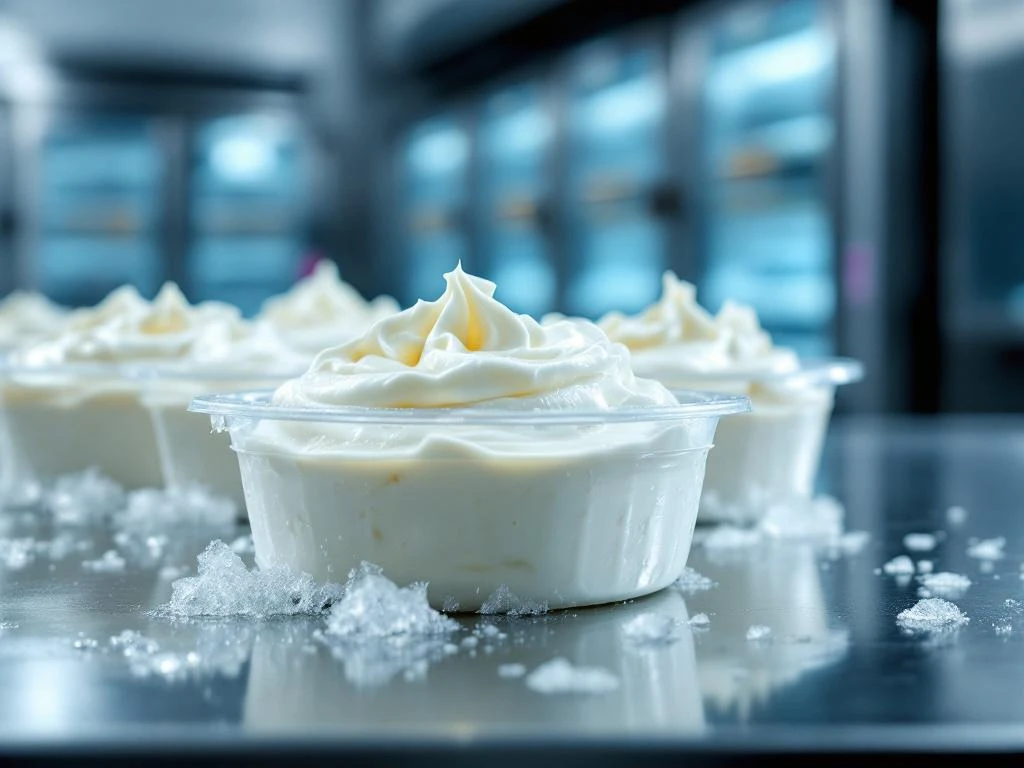
Yes, freezing goat cheese spreads for foodservice use is practical when done correctly, though it requires understanding how freezing affects texture and implementing proper storage protocols. While fresh goat cheese spreads undergo some textural changes during freezing, many foodservice operations successfully freeze these products to extend shelf life, reduce waste, and maintain consistent inventory levels.
What happens when you freeze goat cheese spreads?
When goat cheese spreads freeze, several physical and chemical changes occur that affect the product’s structure and texture. The water content in the spread forms ice crystals, which can disrupt the delicate protein matrix that gives goat cheese its characteristic smoothness. This crystallisation process causes the proteins to contract and potentially separate from the fat content, leading to a slightly grainier texture upon thawing.
The fat molecules in goat cheese spreads, typically around 16% in spreadable varieties, remain relatively stable during freezing. However, the emulsion between fat and water can break down partially, resulting in slight moisture separation. This separation becomes more pronounced in spreads with higher moisture content or those containing additional ingredients like herbs or honey.
The freezing process also affects the casein proteins that form the structural backbone of goat cheese. As temperatures drop, these proteins tighten and may release bound water, contributing to potential syneresis (whey separation) during the thawing process. Understanding these changes helps foodservice professionals anticipate texture modifications and adjust their usage accordingly.
How long can frozen goat cheese spreads maintain quality in foodservice settings?
Frozen goat cheese spreads can maintain acceptable quality for up to three months in commercial foodservice freezers when stored at a constant temperature of -18°C or below. The key to maximising cheese spread shelf life lies in maintaining consistent freezer temperatures without fluctuations that can accelerate quality degradation through repeated partial thawing and refreezing cycles.
Several factors influence the longevity of frozen goat cheese spreads in foodservice environments:
- Packaging integrity: Airtight, moisture-proof packaging prevents freezer burn and flavour absorption
- Initial product freshness: Freezing cheese spreads at peak freshness ensures better post-thaw quality
- Fat content: Higher fat spreads generally maintain texture better during extended freezing
- Added ingredients: Natural spreads without additives typically freeze better than flavoured varieties
Quality indicators to monitor during storage include colour changes, surface crystallisation, and packaging integrity. Any signs of freezer burn, such as white patches or dried edges, indicate compromised quality. Regular rotation using a first-in, first-out system ensures products are used within their optimal timeframe.
What are the proper methods for freezing and thawing goat cheese spreads?
Proper freezing procedures begin with portioning goat cheese spreads into practical serving sizes for your foodservice operation. Divide bulk containers into smaller portions that match typical daily usage to avoid repeated freeze-thaw cycles. Each portion should be wrapped tightly in plastic wrap or placed in airtight containers with minimal headspace to prevent air exposure.
The step-by-step freezing process includes:
- Pre-chill spreads to refrigerator temperature (4°C) before freezing
- Portion into service-appropriate sizes (typically 200-500g for foodservice)
- Wrap tightly in plastic film, removing all air pockets
- Place wrapped portions in freezer-safe containers or heavy-duty freezer bags
- Label with product name, freeze date, and use-by date
- Freeze rapidly at -18°C or below
Safe thawing protocols are crucial for maintaining food safety and texture quality. Always thaw goat cheese spreads in the refrigerator at 4°C or below, allowing 24-48 hours for complete thawing depending on portion size. Never thaw at room temperature, as this promotes bacterial growth and accelerates texture degradation. Once thawed, gently stir the spread to reincorporate any separated moisture before service.
Which types of goat cheese spreads freeze better than others?
Natural goat cheese spreads without added ingredients demonstrate the best freeze-thaw stability for foodservice storage. These plain varieties maintain their texture better because they contain fewer components that can separate or change during freezing. The simpler composition allows for more predictable results when implementing frozen storage programmes.
Fat content plays a crucial role in freezing compatibility. Spreads with moderate fat levels (around 16%) strike an optimal balance, maintaining creaminess while resisting excessive moisture separation. Lower-fat varieties may become more watery upon thawing, while extremely high-fat products might develop a grainy texture.
| Spread Type | Freezing Suitability | Post-Thaw Quality | Best Use After Freezing |
|---|---|---|---|
| Natural/Plain | Excellent | Minimal texture change | All applications |
| Honey-sweetened | Good | Slight separation possible | Cooking, baking |
| Herb-infused | Moderate | Herb texture may change | Sauces, dips |
| Garlic/Onion | Fair | Flavour intensification | Cooked applications |
Manufacturing processes also influence freezing success. Spreads produced with stabilisers or emulsifiers generally freeze better than completely natural products, though many foodservice operations prefer additive-free options. Learn more about industrial cheese processing options that can enhance freeze-thaw stability while maintaining product quality.
What are the cost-benefit considerations of freezing goat cheese spreads for foodservice?
The economic advantages of freezing goat cheese spreads often outweigh potential quality compromises for many foodservice operations. Bulk purchasing opportunities allow operators to negotiate better pricing while ensuring consistent product availability. This approach particularly benefits establishments with fluctuating demand or seasonal menu variations.
Key financial benefits include:
- Reduced product waste through extended shelf life
- Lower purchasing frequency and associated ordering costs
- Protection against price fluctuations and supply shortages
- Improved inventory management and cash flow
- Labour savings from less frequent deliveries and stock rotation
However, operators must balance these savings against potential costs. Additional freezer space requirements, energy consumption for frozen storage, and possible customer perception issues regarding frozen versus fresh products all factor into the decision. The slight texture changes in frozen-thawed spreads may limit their use in certain applications, potentially requiring menu adjustments.
For most foodservice operations, implementing a hybrid approach works best. Maintaining a small fresh inventory for premium applications while freezing bulk supplies for cooking, baking, and sauce preparation optimises both quality and cost efficiency. This strategy ensures goat cheese preservation without compromising service standards.
Successfully freezing goat cheese spreads requires understanding the science behind texture changes, implementing proper storage protocols, and selecting appropriate products for your specific needs. By following established freezing and thawing procedures, foodservice operators can extend product shelf life, reduce waste, and maintain consistent quality. Consider starting with small test batches to determine which spreads and applications work best for your operation before committing to large-scale frozen storage programmes.