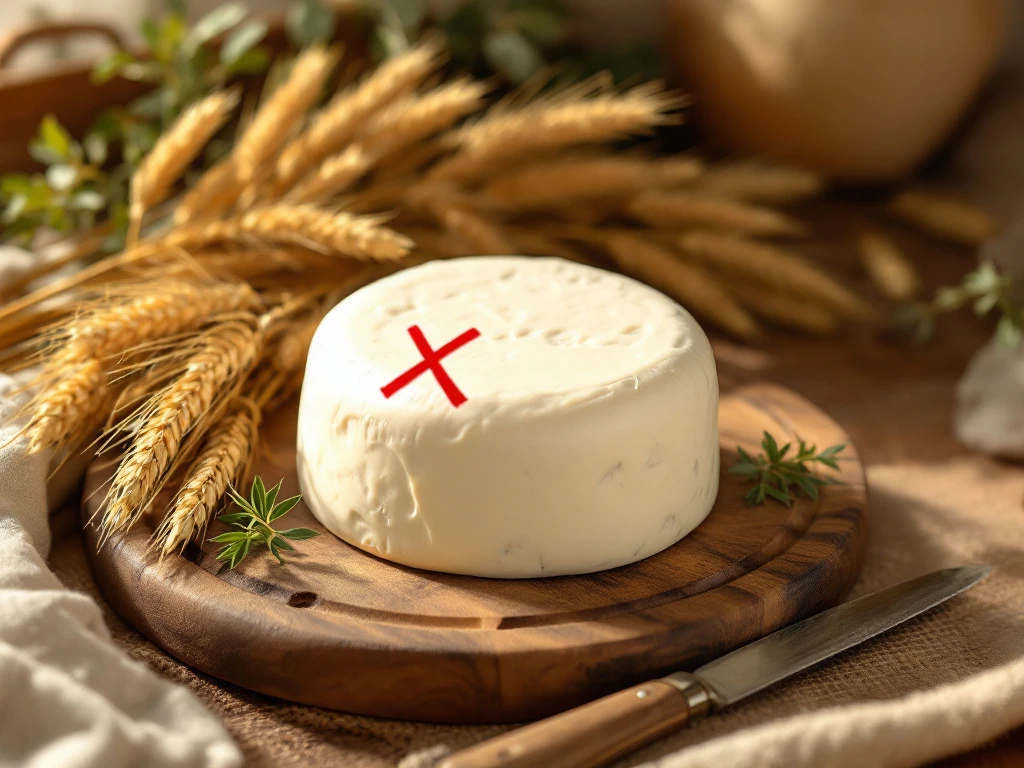
Yes, goat cheese is naturally gluten-free when made with simple ingredients like goat’s milk, salt, and cultures. Pure goat cheese does not have wheat, barley, or rye proteins that cause problems for people with celiac disease or gluten sensitivity. However, flavored types and processed goat cheese products may have gluten from added ingredients or mixing during production. Always check labels for certification and ingredient lists to make sure your goat cheese is safe for a gluten-free diet.
Is pure goat cheese naturally gluten-free?
Traditional goat cheese made from goat’s milk, salt, and bacterial cultures has no gluten at all. The basic cheese-making process uses only dairy ingredients and natural enzymes. This makes pure goat cheese safe for those who avoid gluten. All dairy products in their natural state are gluten-free, including milk from goats, cows, and sheep.
The process that changes goat’s milk into cheese uses bacterial cultures. These break down lactose and create the special tangy taste. These cultures are gluten-free, and traditional cheese-making methods make sure no gluten ingredients are added during production. Fresh goat cheese, ripened types, and aged goat cheese all stay gluten-free when made using traditional recipes.
Understanding why goat cheese is naturally gluten-free helps when choosing products. The protein structure in goat’s milk is different from gluten proteins found in wheat, barley, and rye. These milk proteins (casein and whey) are completely different from gluten. This means even people with serious gluten problems can safely eat pure goat cheese as part of their diet.
What gluten risks should you watch for in goat cheese?
Cross-contamination is the main gluten risk in goat cheese production. Factories that make many different products may use the same equipment for items with wheat-based ingredients. Modified food starch, flavorings, and anti-caking agents are the most common sources of hidden gluten in processed cheese products. These additives sometimes appear in pre-crumbled or shredded goat cheese types.
At DeJong Cheese, we produce exclusively gluten-free products. As such, there is absolutely no risk of cross-contamination at our premises.
Flavored goat cheese types need extra checking. Herbs and spice blends may have gluten as a carrier or anti-caking agent. Beer-washed rinds, crackers mixed into spreads, or breadcrumb coatings clearly have gluten. Even seemingly safe flavors like garlic or onion types might use seasonings processed on shared equipment with wheat products.
Production factory practices greatly affect gluten safety. Cheese makers who make both regular and special items might process wheat-containing products on the same production lines. Flour particles in the air from nearby bakery operations can land on cheese surfaces. Storage areas shared with gluten-containing products present another contamination risk, especially for unwrapped or loosely covered cheeses.
How do you identify certified gluten-free goat cheese?
Certified gluten-free labels give the strongest safety promise for sensitive people. Look for official certification symbols from recognized organizations. These require products to have less than 20 parts per million of gluten. The “Certified Gluten-Free” seal shows third-party testing and factory inspections to check compliance with strict standards.
Reading ingredient lists carefully helps find potential gluten sources. Safe goat cheese typically lists only milk, salt, cultures, and enzymes. Watch for terms like “natural flavors,” “modified starch,” or “spices” without further explanation. When ingredients seem unclear, contact the manufacturer directly for clarification about their gluten-free status and production methods.
Label words matter when choosing goat cheese. “Gluten-free” claims without certification still show manufacturer confidence in their product’s safety. However, “made in a facility that also processes wheat” warnings suggest potential cross-contamination risks. For those with celiac disease, choosing products with both gluten-free claims and certification symbols gives maximum protection.
Which types of goat cheese are safest for gluten-free diets?
Fresh chèvre is the safest option for gluten-sensitive people. Plain, unflavored fresh goat cheese has only milk, cultures, and salt. This removes any gluten risk. Our fresh goat cheese rolls and traditional types keep their pure composition without additives or processing aids that might add gluten.
Aged and ripened goat cheeses also typically stay gluten-free through natural aging processes. Hard goat cheeses develop their texture and flavor through time rather than additives. Goat brie and similar soft-ripened types use only traditional cheese-making ingredients. The white mold that forms during ripening grows from dairy-safe cultures, not grain-based sources.
Pre-packaged formats need more careful selection. Goat cheese crumbles might have anti-caking agents, though many producers now use gluten-free alternatives like cellulose. Spreadable goat cheese usually stays safe when unflavored, but herb or spice types need ingredient checking. Marinated goat cheese pearls in oil typically stay gluten-free, though checking seasoning blends stays important for complete safety.
What’s the difference between goat cheese and cow milk cheese for gluten sensitivity?
Neither goat cheese nor cow milk cheese naturally has gluten. This makes both equally safe for gluten-free diets when pure. The difference is not in gluten content but in how different milk types affect digestion. Goat cheese offers easier digestion due to smaller fat globules and different protein structures, but this relates to lactose and dairy sensitivity rather than gluten problems.
Common confusion happens between lactose intolerance, milk protein sensitivity, and gluten-related disorders. People with celiac disease or gluten sensitivity can eat both goat and cow’milk cheeses safely, as long as they’re free from gluten-containing additives. Those having digestive problems with cow milk cheese but not goat cheese likely have dairy-specific sensitivities unrelated to gluten.
Processing methods rather than milk source determine gluten safety in cheese. Both goat and cow milk cheeses face similar contamination risks from shared facilities, added ingredients, or processing aids. The key difference appears in product availability – goat cheese often comes in simpler, more traditional formats with fewer additives. This potentially makes it easier to find gluten-free options. However, this reflects market positioning rather than natural differences in gluten content between the two cheese types.
For those managing gluten-free diets, choosing safe goat cheese becomes simple with proper label reading and understanding of production methods. Pure, traditionally-made goat cheese provides a naturally gluten-free option rich in flavor and nutrition. By choosing certified products and understanding potential contamination sources, you can confidently enjoy goat cheese as part of your gluten-free lifestyle. Whether choosing our fresh types, aged options, or specialty formats, quality goat cheese offers delicious possibilities without gluten concerns.
Related Articles
- How do you protect your pizza production line against a failing cheese supplier?
- How do you create an efficient shortlist of goat cheese producers for the food industry?
- Why do foodservice suppliers choose goat cheese?
- Why do restaurants prefer goat cheese over other cheeses?
- Which goat cheese types are best for mild-tasting menu items?