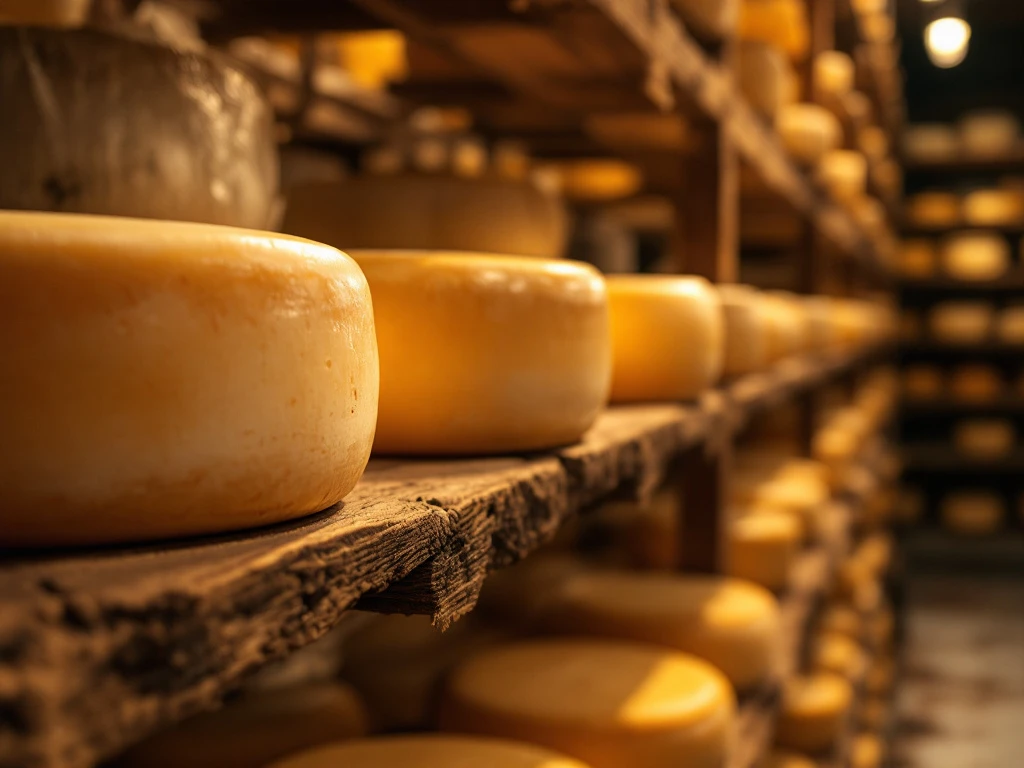
Goat cheese inventory rotation uses the FIFO (First In, First Out) principle to ensure older products are used before newer ones. This systematic approach maintains product quality, prevents spoilage, and protects food safety standards. Proper rotation involves organising storage areas by production dates, implementing clear labelling systems, and training staff to consistently follow established procedures. Understanding the specific requirements for fresh versus aged goat cheese varieties helps businesses minimise waste and deliver optimal products to customers.
What exactly is goat cheese inventory rotation and why does it matter?
Goat cheese inventory rotation is a systematic method of managing cheese stock to ensure products are used in the order they were received or produced. The FIFO principle forms the foundation of this system, requiring that cheese with earlier production dates moves out of storage before newer products. This practice is particularly crucial for goat cheese due to its varying shelf lives and delicate flavour profiles.
The importance of proper rotation extends beyond simple organisation. Fresh goat cheese products, like our Alphenaer fresh cheese rolls, maintain their soft texture and mild flavour only when stored and rotated correctly. Without proper rotation, businesses risk serving products past their prime, resulting in customer dissatisfaction and potential health concerns. The practice also protects profit margins by reducing waste from expired products.
Commercial cheese operations benefit from rotation systems through improved quality control and regulatory compliance. Food safety inspectors expect to see clear rotation practices during audits, and proper systems demonstrate professional standards. Additionally, consistent rotation helps identify slow-moving products, allowing businesses to adjust ordering patterns and maintain fresher inventory overall.
How long does goat cheese actually last in different storage conditions?
Fresh goat cheese typically lasts 2-3 weeks when stored at 2-4°C (35-39°F), while ripened varieties can last 4-8 weeks under proper conditions. Storage temperature remains the most critical factor, as even small fluctuations can significantly reduce shelf life. Humidity levels between 80-85% help prevent moisture loss without encouraging unwanted mould growth on fresh varieties.
Different goat cheese formats require specific storage considerations. Spreadable goat cheese in sealed containers maintains quality longer than exposed products. Vacuum-packed portions can extend shelf life by several days compared to traditional wrapping. Our goat cheese pucks, designed for foodservice use, benefit from individual packaging that protects each portion until needed.
Visual and sensory indicators help assess quality throughout storage. Fresh goat cheese should maintain its bright white colour and clean, tangy aroma. Any yellowing, excessive moisture, or ammonia-like smells indicate deterioration. Ripened varieties naturally develop surface moulds, but these should appear uniform and characteristic of the cheese type. Regular quality checks during rotation ensure only optimal products reach customers.
What’s the difference between rotating fresh and aged goat cheese inventory?
Fresh goat cheese requires rapid turnover with strict adherence to FIFO principles, typically moving through inventory within 7-14 days of receipt. These products need consistent cold storage at 2-4°C and should be rotated daily to prevent any product from lingering beyond optimal freshness. Fresh varieties like cheese crumbles or spreads lose quality quickly once opened, requiring even more vigilant rotation practices.
Aged and ripened goat cheeses follow different rotation patterns due to their ongoing maturation processes. These products actually improve with controlled ageing, requiring rotation schedules that account for optimal ripeness rather than just production dates. Storage zones should separate young cheeses still developing from those ready for sale, with regular monitoring to identify peak quality periods.
Labelling systems must reflect these differences. Fresh products need clear “use by” dates prominently displayed, while aged varieties benefit from “ready by” dates indicating optimal consumption windows. Physical organisation also differs, with fresh products stored in easily accessible areas for quick rotation, while ageing cheeses occupy dedicated maturation spaces with controlled environments. Staff training should emphasise these distinctions to prevent confusion between product categories.
How do you set up an effective goat cheese rotation system?
Begin by organising storage areas into clearly defined zones based on cheese types and arrival dates. Install proper shelving that allows easy access to all products, avoiding deep storage that hides older items. Temperature-controlled areas should have multiple thermometers to ensure consistent conditions throughout. Label each zone clearly and train staff to understand the flow pattern from receiving to dispatch.
Implement a comprehensive labelling system using waterproof tags showing production dates, batch numbers, and handling instructions. Digital tracking systems offer advantages for larger operations, automatically flagging products approaching expiration dates. However, simple colour-coded systems work effectively for smaller businesses, using different coloured tags for each week’s deliveries.
Staff training forms the foundation of successful rotation. Create clear procedures for receiving, storing, and selecting products for use. Regular audits ensure compliance and identify areas needing improvement. Consider appointing a rotation champion responsible for daily checks and training new team members. Document all procedures and post visual guides in storage areas as constant reminders of proper practices.
What common mistakes ruin goat cheese inventory management?
Temperature fluctuations represent the most damaging error in cheese storage, often occurring during delivery acceptance or busy service periods. Leaving cheese at room temperature while organising storage or during inventory counts accelerates deterioration. Even brief temperature spikes can reduce shelf life by days. Prevent this by processing deliveries immediately and conducting inventory counts in stages to minimise exposure.
Cross-contamination between different cheese types poses serious quality risks. Storing strong-flavoured aged cheeses near delicate fresh varieties allows flavour transfer through shared air circulation. Additionally, using the same cutting boards or knives without proper cleaning spreads bacteria and moulds between products. Maintain separate storage areas and dedicated equipment for each cheese category.
Documentation failures create confusion and waste. Missing labels, illegible dates, or inconsistent recording methods lead to uncertainty about product age and quality. Some operations rely on memory rather than systematic tracking, resulting in older products being overlooked. Establish mandatory labelling procedures and conduct regular audits to ensure compliance. Digital photography of date labels provides backup documentation when original labels become damaged or unclear.
Proper goat cheese inventory rotation protects both product quality and business reputation. By understanding the unique requirements of different cheese varieties and implementing systematic rotation procedures, businesses can minimise waste while delivering consistently excellent products. Whether managing fresh spreads or aged specialities, success comes from combining proper storage conditions with disciplined rotation practices and thorough staff training.