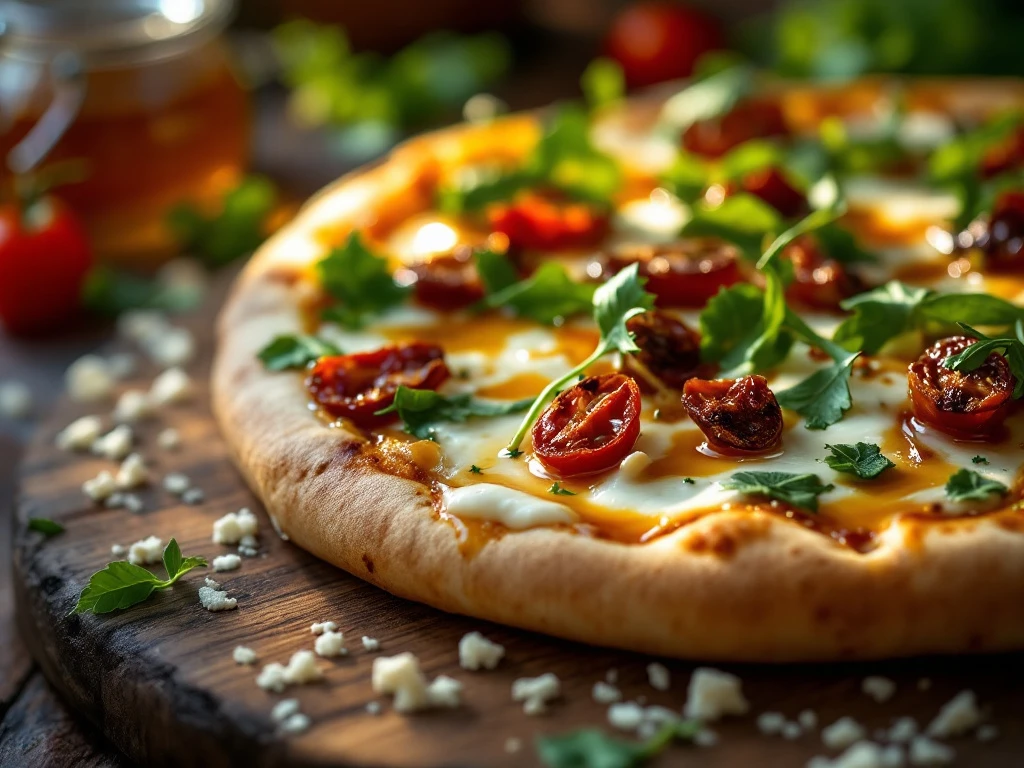
The best goat cheese pizza toppings work well together. They balance the cheese’s tangy, creamy taste with other good flavors and textures. Popular Mediterranean combinations include sun-dried tomatoes, sweet cooked onions, and fresh basil. Creative combinations use figs with ham or pears with walnuts. Success comes from understanding how goat cheese melts differently from regular mozzarella. You need special layering methods and the right temperature for the best results.
What makes goat cheese perfect for pizza toppings?
Goat cheese has a creamy texture and tangy flavor that makes ordinary pizzas taste special. Unlike regular pizza cheeses, goat cheese keeps its special taste when heated. It becomes soft but doesn’t melt completely. This creates small pockets of rich, creamy cheese in each slice.
The cheese’s natural sharpness works well with rich toppings. Its creamy texture feels luxurious in your mouth and goes well with both light vegetables and strong meats. Fresh goat cheese works great when you add small amounts on top just before serving. Firmer aged types can cook longer without losing their shape.
Different types of goat cheese work in different ways on pizza. Crumbled cheese spreads evenly across the surface, giving consistent flavor in every bite. Sliced goat cheese rounds melt nicely with other toppings. Spreadable types can replace tomato sauce for white pizzas. You can also use ripened goat cheese rolls, sliced and arranged nicely. These melt into creamy pools when baking.
Which classic Mediterranean toppings pair best with goat cheese?
Mediterranean ingredients work perfectly with goat cheese because their flavors and textures go well together. Sun-dried tomatoes are sweet and rich, balancing the cheese’s sharp taste. Their chewy texture contrasts nicely with the creamy cheese. Kalamata olives add salty complexity that makes the mild goat cheese taste even better.
Sweet cooked onions are probably the best pairing. Their sweet, deep flavor creates a perfect flavor bridge between the tangy cheese and other toppings. Fresh basil leaves, added after baking, give bright freshness that lifts all the flavors. Roasted red peppers add sweetness and smoky taste while keeping enough texture to make the pizza interesting.
Pine nuts scattered on the pizza add Mediterranean style and provide important texture contrast with their buttery crunch. These combinations work because they respect the goat cheese’s delicate nature while adding bold, clear flavors that create balance. The secret is using good quality ingredients and not putting too many different elements on the pizza.
What unexpected flavor combinations work with goat cheese pizza?
Creative goat cheese pizza combinations use the cheese’s ability to connect sweet and salty flavors. Figs and ham create elegant balance. The figs’ honey-like sweetness complements the cheese’s sharpness while the ham adds salty depth. This combination works especially well with honey drizzled on just before serving.
Pears and walnuts offer another sophisticated pairing. The pears’ gentle sweetness works against the cheese’s acidity while toasted walnuts provide earthy crunch. Adding fresh rocket after baking brings a peppery taste that stops the combination from becoming too sweet. Butternut squash and sage create an autumn masterpiece. The squash’s natural sweetness is enhanced by crispy sage leaves and creamy goat cheese.
Perhaps most surprising is goat cheese with honey and hot peppers. The sweet-heat balance creates complex taste that you want more of. The cheese’s creaminess reduces the chili’s fire while honey adds glossy sweetness. Beetroot and rocket provide earthy sweetness and peppery bite. This creates a beautiful-looking pizza with deep, complex flavors that show goat cheese’s flexibility beyond traditional uses.
How do you properly layer goat cheese with other pizza toppings?
Proper layering technique decides whether goat cheese makes your pizza better or worse. Add goat cheese during the final 5-7 minutes of baking to prevent burning and keep its creamy texture. For best results, use about 75-100g of crumbled goat cheese per 12-inch pizza. Make sure it covers evenly without making the pizza too rich.
Cooking certain toppings first is essential for balanced cooking. Vegetables with lots of water like mushrooms or zucchini should be roasted first to remove extra moisture that could make the pizza soggy. Harder vegetables like butternut squash or eggplant need partial cooking before assembly. This way, all ingredients finish cooking at the same time.
Temperature control is very important for goat cheese pizza success. Bake at 220-230°C for thin crusts, reducing to 200-210°C for thicker bases. Put pizzas in the upper part of the oven to brown the crust properly while preventing the cheese from burning. For wood-fired ovens, add goat cheese only during the final turn to protect it from direct flames. The goal is getting a slightly golden surface while keeping the cheese’s creamy inside.
Which herbs and seasonings enhance goat cheese pizzas?
Fresh herbs transform goat cheese pizzas from simple to spectacular through their wonderful smells and tastes. Thyme pairs very well – its earthy taste complements the cheese’s sharpness without overpowering delicate toppings. Fresh rosemary, used in small amounts, adds pine-like fragrance that works especially well with roasted vegetables and sweet cooked onions.
Oregano and basil are classic choices that always work well. Fresh basil leaves, torn and scattered after baking, provide bright, peppery notes that cut through rich toppings. Dried oregano, sprinkled before baking, fills the entire pizza with Mediterranean warmth. These herbs work alone or together, creating layers of flavor that enhance rather than hide the goat cheese.
Final touches make goat cheese pizzas restaurant quality. A light drizzle of truffle oil adds earthy luxury that pairs beautifully with mushroom toppings. Aged balsamic glaze provides sweet-tart complexity that connects savory and sweet elements. Quality honey drizzled over the finished pizza creates glossy sweetness that highlights the cheese’s natural sharpness. Freshly cracked black pepper adds gentle heat and aromatic complexity. Sea salt flakes provide textural interest and flavor enhancement when sprinkled just before serving.
Creating excellent goat cheese pizzas requires understanding how this unique cheese behaves differently from traditional types. By choosing complementary toppings, mastering proper layering techniques, and finishing with thoughtful seasonings, you can create pizzas that showcase goat cheese’s versatility and distinctive character. Whether you prefer classic Mediterranean combinations or adventurous sweet-savory pairings, goat cheese offers endless possibilities for pizza creativity.
Related Articles
- How do you calculate the true cost including logistics when buying goat cheese?
- How do you test the consistency of goat cheese crumbles from a new supplier?
- How to optimize goat cheese packaging for storage efficiency?
- How to substitute goat cheese in recipes?
- What is the best way to serve goat cheese at parties?