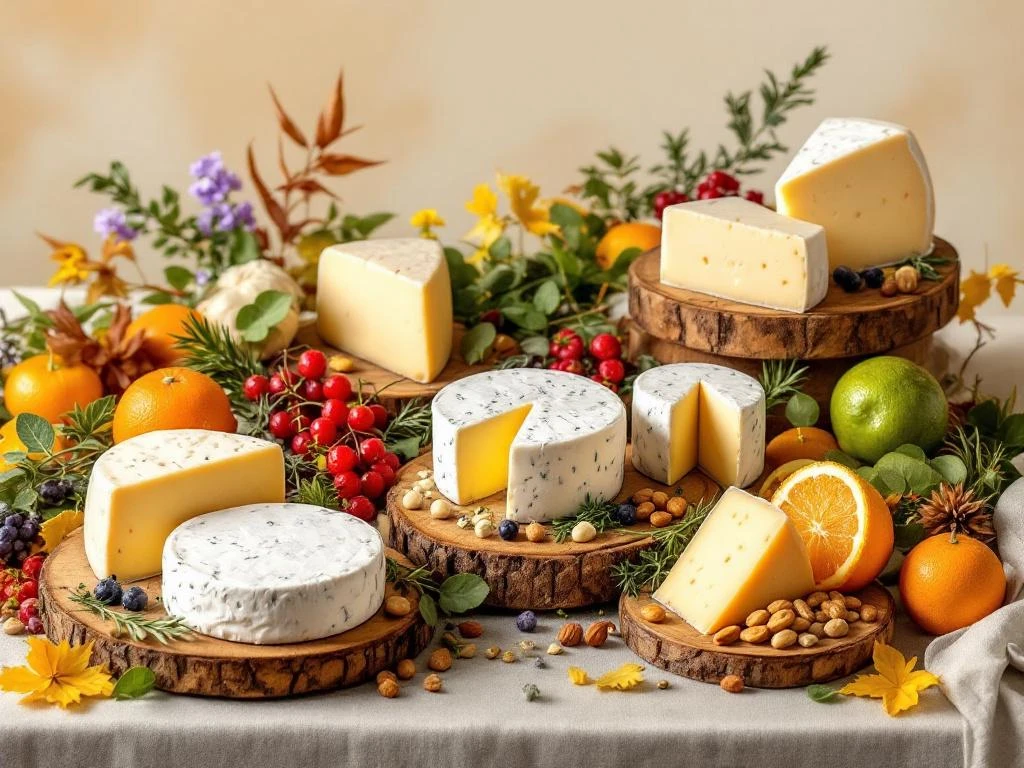
Goat cheese transforms throughout the year, adapting to seasonal ingredients and cooking methods that highlight its versatility. From delicate spring pairings with fresh herbs to hearty winter applications in warming dishes, goat cheese offers unique flavour profiles and textures for every season. Fresh varieties shine in light summer preparations whilst aged goat cheeses complement autumn’s robust flavours, making this cheese an essential year-round ingredient for foodservice professionals seeking menu diversity.
Understanding seasonal goat cheese applications
The remarkable adaptability of goat cheese stems from its diverse range of textures and flavour profiles. Fresh goat cheese, with its creamy consistency and mild tang, pairs beautifully with delicate seasonal produce, whilst aged varieties develop complex flavours that stand up to heartier ingredients. This versatility allows chefs and foodservice professionals to incorporate goat cheese across all seasonal menus, from refreshing summer salads to comforting winter gratins.
The key to maximising goat cheese’s seasonal potential lies in understanding how different varieties respond to various preparation methods. Fresh goat cheese maintains its spreadable texture when served cold, making it ideal for warm-weather applications. As temperatures drop, the melting properties of both fresh and aged goat cheeses create opportunities for incorporating them into hot dishes, soups, and baked preparations that define autumn and winter cuisine.
What makes goat cheese perfect for spring dishes?
Spring’s delicate vegetables and fresh herbs create natural harmony with goat cheese’s bright, tangy profile. The cheese’s creamy texture provides an ideal counterpoint to crisp asparagus spears, tender peas, and peppery rocket, whilst its mild acidity enhances the subtle flavours of early seasonal produce without overwhelming them.
Fresh goat cheese varieties excel in spring preparations, particularly when paired with edible flowers and microgreens that define the season’s aesthetic. The cheese’s versatility shines in applications ranging from simple tartines topped with radishes and chives to elegant vegetable tarts featuring tender spring onions and baby spinach. Goat cheese crumbles scattered over spring salads add both visual appeal and a creamy element that ties together diverse ingredients.
Professional kitchens benefit from the ease of working with fresh goat cheese during busy spring service. Its spreadable consistency at room temperature makes it perfect for canapés and quick assembly, whilst maintaining stability when incorporated into warm dishes like frittatas or spring vegetable gratins.
How do you use goat cheese in summer entertaining?
Summer entertaining demands ingredients that remain appealing in warm weather, and goat cheese delivers with its refreshing tang and versatility in cold preparations. The cheese pairs exceptionally well with summer’s abundance of stone fruits, berries, and melons, creating flavour combinations that feel both sophisticated and seasonally appropriate.
Grilled vegetable platters benefit from dollops of fresh goat cheese that slightly soften from residual heat, creating a creamy sauce-like consistency. Cold appetisers featuring goat cheese pearls in herb-infused oil offer an elegant presentation whilst providing guests with ready-to-serve portions. The cheese’s compatibility with summer fruits extends beyond salads, working beautifully in composed dishes where sweetness balances its natural acidity.
Temperature control remains crucial for summer service. Fresh goat cheese maintains optimal texture when kept slightly chilled, becoming more spreadable as it approaches room temperature. This characteristic allows for flexible service options, from pre-plated appetisers to interactive cheese boards where guests can create their own combinations with seasonal accompaniments.
Which autumn flavours pair best with goat cheese?
Autumn’s harvest brings robust flavours that complement both fresh and aged goat cheese varieties. Roasted root vegetables, particularly beetroot and butternut squash, develop caramelised sweetness that balances beautifully with goat cheese’s tang. The addition of toasted nuts, especially walnuts and hazelnuts, creates textural contrast whilst echoing the earthy notes found in aged goat cheese.
Warming applications dominate autumn menus, where goat cheese transforms simple ingredients into comfort food. Stuffed portobello mushrooms crowned with herbed goat cheese, gratins layering roasted vegetables with creamy cheese, and harvest salads featuring warm elements showcase the cheese’s ability to bridge temperatures and textures. Aged goat cheese varieties particularly shine during this season, their developed flavours standing up to heartier preparations.
The season’s preservation traditions also create opportunities for goat cheese pairings. Chutneys, pickled vegetables, and fruit compotes provide acidic and sweet elements that enhance the cheese’s complexity, whilst dried fruits and preserves offer concentrated flavours that work particularly well with stronger aged varieties.
What are the best winter applications for goat cheese?
Winter cuisine embraces goat cheese’s melting properties and ability to add richness to comfort foods. The cheese excels in hot applications, from creamy soups where it provides body and tang to baked dishes where it creates golden, bubbling toppings. Fresh goat cheese melts smoothly into sauces and soups, whilst aged varieties contribute more pronounced flavours to gratins and casseroles.
Holiday entertaining benefits from goat cheese’s versatility in both traditional and innovative preparations. Baked goat cheese appetisers, whether encased in pastry or topped with winter fruit compotes, offer warming starts to festive meals. The cheese pairs beautifully with winter fruits like pears and figs, whilst complementing preserved foods and warming spices such as thyme, rosemary, and black pepper.
Professional kitchens appreciate goat cheese’s stability in hot preparations. Unlike some cheeses that separate when heated, quality goat cheese maintains its creamy consistency when properly incorporated into hot dishes. This reliability makes it valuable for high-volume winter service where consistency across multiple portions is essential.
Key takeaways for year-round goat cheese versatility
The adaptability of goat cheese across all seasons makes it an invaluable ingredient for dynamic menu planning. Fresh varieties excel in applications requiring spreadability and mild flavours, whilst aged options provide complexity for heartier dishes. Understanding these characteristics enables foodservice professionals to maximise the cheese’s potential throughout the year.
Storage considerations vary by season and cheese type. Fresh goat cheese maintains quality when properly refrigerated and used within recommended timeframes, whilst aged varieties benefit from controlled temperature storage that preserves their developed flavours. Portion control options, from crumbles to slices to spreadable formats, support efficient kitchen operations across different seasonal preparations.
Menu planning benefits from incorporating goat cheese as a bridge ingredient that connects seasonal elements. Its ability to complement both sweet and savoury components, work across temperature ranges, and provide consistent quality makes it essential for establishments seeking to offer varied, seasonally relevant dishes. Whether featured in simple spring salads or complex winter preparations, goat cheese delivers the versatility and quality that modern foodservice demands.
Related Articles
- What are the consequences of a missed delivery in a pizza production line?
- What questions do you ask about production capacity as volume increases?
- How do you develop a premium pizza concept with truffle goat cheese as a distinguishing ingredient?
- What makes goat cheese suitable for ready to eat salads?
- How is goat cheese supplied for industrial use?