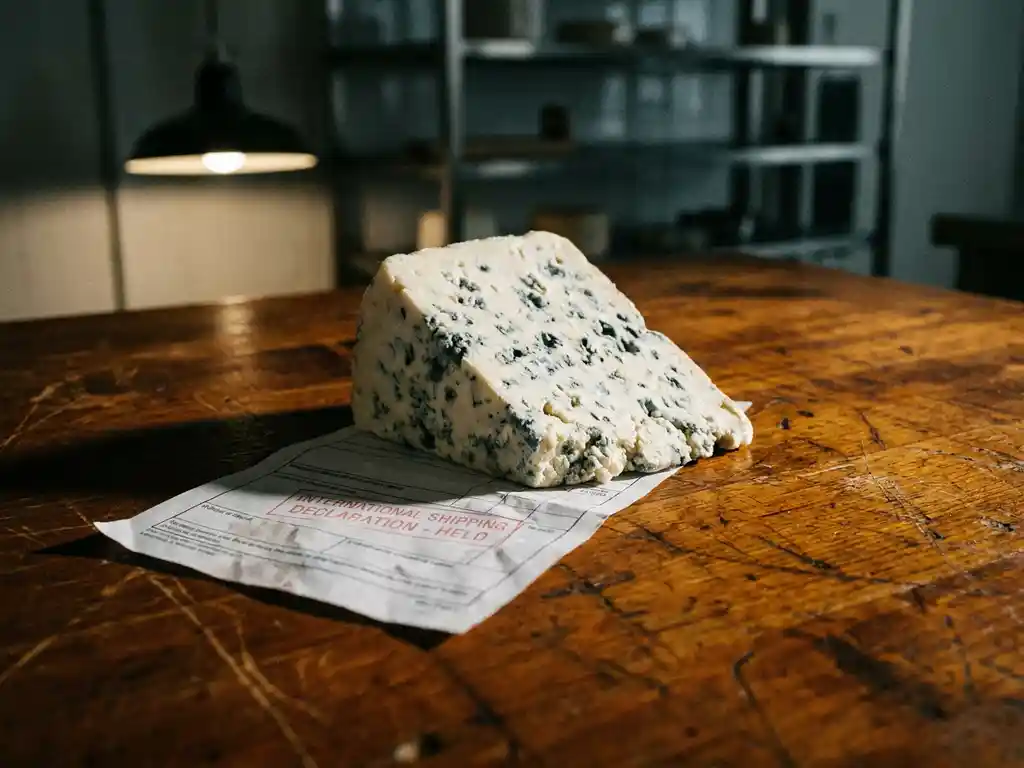
When importing goat cheese from outside the Netherlands, you face risks around inconsistent quality, food safety issues, higher and unpredictable costs, and unreliable supply. These risks are especially relevant for food industry buyers and product developers who depend on stable specifications and reliable delivery. In this article, we cover the key questions around importing goat cheese, so you can make a well-informed purchasing decision.
What quality differences exist between Dutch and foreign goat cheese?
Dutch goat cheese stands apart from foreign varieties thanks to stricter production standards, consistent milk quality, and a long artisanal tradition. Foreign goat cheese can vary widely in fat content, moisture content, acidity, and melting behavior — depending on the country of origin, the breed of goat, and the production method.
In practice, this means that goat cheese from Spain or Eastern Europe, for example, can have very different technical properties than a Dutch variety. For applications in heated products like pizzas or quiches, those technical properties matter a lot. A cheese with the wrong moisture content can completely throw off the texture of a finished product. On top of that, some countries use different additives or ripening techniques that don’t meet clean-label requirements.
Dutch producers typically operate under strict quality assurance with standardized processes. This results in more consistent batch quality — a major practical advantage for industrial buyers when setting up production lines.
What food safety requirements apply to imported goat cheese?
Imported goat cheese must comply with European food safety legislation, including the requirements set out in EU regulations for dairy products. This covers specific standards for pathogens such as Listeria and Salmonella, as well as requirements around traceability, labeling, and hygienic production conditions.
For imports from countries outside the European Union, additional checks apply at official border inspection posts. Products must be accompanied by the correct veterinary certificates and must meet the import conditions established by the European Commission for each country. This process can lead to delays and extra administrative work.
Even for imports from EU member states, the documentation requirements can be heavy. Think batch-specific specifications, analysis reports, and certifications proving the product is free from certain residues or unwanted substances. For buyers who are already busy with their core business, this is a time-consuming and error-prone task that brings real compliance risks.
How do import costs and exchange rates affect the purchase price of goat cheese?
Import costs and exchange rates can significantly increase the purchase price of foreign goat cheese — and make it unpredictable. On top of the base price of the cheese, you also pay for transportation, customs duties on non-EU imports, inspection fees, and potential storage costs at border inspection. Exchange rate fluctuations add another layer of financial uncertainty.
For buyers who need budget certainty, this is a serious obstacle. A competitive price in the country of origin can end up being significantly more expensive by the time it arrives in the Netherlands, due to a combination of logistics costs and an unfavorable exchange rate. This makes long-term planning and cost calculations complicated.
On top of that, transportation costs for refrigerated products like goat cheese rise faster than for dry goods. Managing cold chains over long distances requires specific logistics solutions that push the total purchase price even higher. Buyers who think they’re getting a bargain through importing often find the real costs exceed their original budget.
What are the risks of inconsistent delivery with foreign goat cheese?
Inconsistent delivery of foreign goat cheese is one of the biggest operational risks for food producers. Longer supply chains mean more links in the chain, and every extra link increases the chance of delays, quality loss in transit, or even complete delivery failure.
The causes of delivery problems with foreign goat cheese vary:
- Strikes or logistics disruptions in the country of origin
- Issues at border inspection or customs delays
- Temperature deviations during transport that affect quality
- Production problems at the supplier that aren’t communicated in time
- Seasonal fluctuations in milk production that affect availability
For producers running tight production schedules, a single missed delivery can bring the production line to a standstill and cause costly delays. The distance to a foreign supplier also makes it harder to act quickly or maintain personal contact when problems arise. A local supplier offers a fundamental advantage here: shorter lines, faster response, and more transparency about production status.
When is Dutch goat cheese a more reliable alternative?
Dutch goat cheese is a more reliable alternative when consistent quality, supply security, and compliance with European food safety requirements are a priority. This is especially true for industrial buyers processing large volumes, and for product developers working with specific flavor and texture profiles.
Concrete situations where Dutch goat cheese is the better choice:
- When technical specifications like melting behavior and fat content need to be precise and consistent
- When you work with clean-label products where additives and unknown ingredients are not acceptable
- When fast delivery or flexible order adjustments are essential
- When traceability and transparency about the production process are required for retail certifications
- When you’re looking for a long-term partnership with a supplier who actively contributes to product development
Dutch goat cheese producers operate close to their customers — both geographically and operationally. That translates into shorter lead times, less transport risk, and more direct communication. For buyers purchasing for retail or foodservice, a Dutch supplier also provides a stronger foundation for meeting the documentation requirements of major customers.
How DeJong Cheese helps you avoid import risks
As a traditional family business based in Alphen, we have been producing premium goat cheese specialties under the Alphenaer brand since 1995. We supply retail, foodservice, and industry — both in the Netherlands and worldwide — and we know exactly what industrial buyers and product developers need from a reliable cheese partner.
What we offer to help you avoid import risks:
- Consistent quality based on traditional recipes and standardized production processes
- Custom technical specifications, including information on melting behavior, fat content, and moisture content for industrial applications
- Reliable delivery from the Netherlands, with short supply lines and direct communication
- Full traceability and documentation that meets European food safety requirements
- Custom production and private label for product developers who want to create unique goat cheese concepts
- Flexibility in flavor combinations, ripening levels, and packaging formats
Want to find out what DeJong Cheese can do for your purchasing strategy? Get in touch with us for a no-obligation conversation about your specific needs.
Frequently Asked Questions
How do I start switching from a foreign goat cheese supplier to a Dutch one?
Start by drawing up a technical specification document for the goat cheese you currently buy, including parameters such as fat content, moisture content, melting behavior, and acidity. Send this document to a Dutch supplier like DeJong Cheese so they can offer a comparable or improved product. Then arrange a trial delivery to validate the quality within your production process before you make the switch final.
What are the most common mistakes when buying goat cheese from foreign suppliers?
One of the most common mistakes is focusing only on the base price per kilogram, without accounting for hidden costs like transportation, cold chain management, inspection fees, and possible customs duties. Another frequent mistake is not requesting batch-specific analysis reports, which means quality differences between deliveries are only discovered during production. Finally, many buyers underestimate the administrative burden of traceability documentation, which can lead directly to compliance issues with major retail customers.
As a small or mid-sized food producer, can I also work with a Dutch goat cheese producer, or is it only worth it for large volumes?
Dutch goat cheese producers like DeJong Cheese work with both large industrial buyers and smaller food producers and foodservice companies. It’s a good idea to be upfront about your volumes and delivery frequency so the supplier can put together the right offer. For smaller producers in particular, a local supplier can be especially beneficial, because the flexibility in order size and the direct communication lines fit better with a dynamic production schedule.
How do I know if a Dutch goat cheese meets the clean-label requirements of my end product?
Ask your supplier for a complete ingredient and additive overview for each product variant, including information on ripening aids, preservatives, and coatings used. A reliable Dutch producer can also provide you with a technical product data sheet and, if needed, an allergen declaration and a statement confirming the absence of specific additives. Then compare this with the clean-label criteria of your retail customer or your own product standard to confirm the product is a match.
What should I do if my current foreign goat cheese supplier suddenly can't deliver?
Always make sure you have a certified backup supplier in your purchasing strategy — preferably a local Dutch party that can get started on short notice. If a delivery failure occurs, contact potential Dutch suppliers right away and share your technical specifications as quickly as possible for an urgent quote. To structurally reduce this risk, it’s wise never to be fully dependent on a single foreign supplier and to always maintain a minimum safety stock.
Does a Dutch goat cheese producer also offer options for product development and private label?
Yes, many Dutch goat cheese producers, including DeJong Cheese, offer custom solutions for product developers looking for unique flavors, ripening levels, or packaging formats. This can range from developing an entirely new goat cheese concept to adapting an existing variety to your specific flavor or texture requirements. Close collaboration with a local producer speeds up the iteration process significantly, because you can communicate directly and trial samples can be delivered quickly.
How can I demonstrate the traceability of my goat cheese to major retail customers or auditors?
Ask your supplier for batch-specific documentation, including production data, analysis reports, veterinary certificates, and a traceability file that records the origin of the milk through to the finished product. Dutch producers working under recognized quality systems such as IFS, BRC, or FSSC 22000 can typically meet these documentation requirements quickly and completely. Store these documents systematically by purchase order, so that during an audit or product recall you can immediately reconstruct the full chain.
Related Articles
- What flavor varieties of goat cheese such as cranberry-cinnamon are popular in the food industry?
- Why is a supplier with their own milk sources within 100 km more reliable for the industry?
- How is goat cheese used in global food production?
- What are goat cheese menu pricing strategies?
- What are seasonal goat cheese menu strategies?