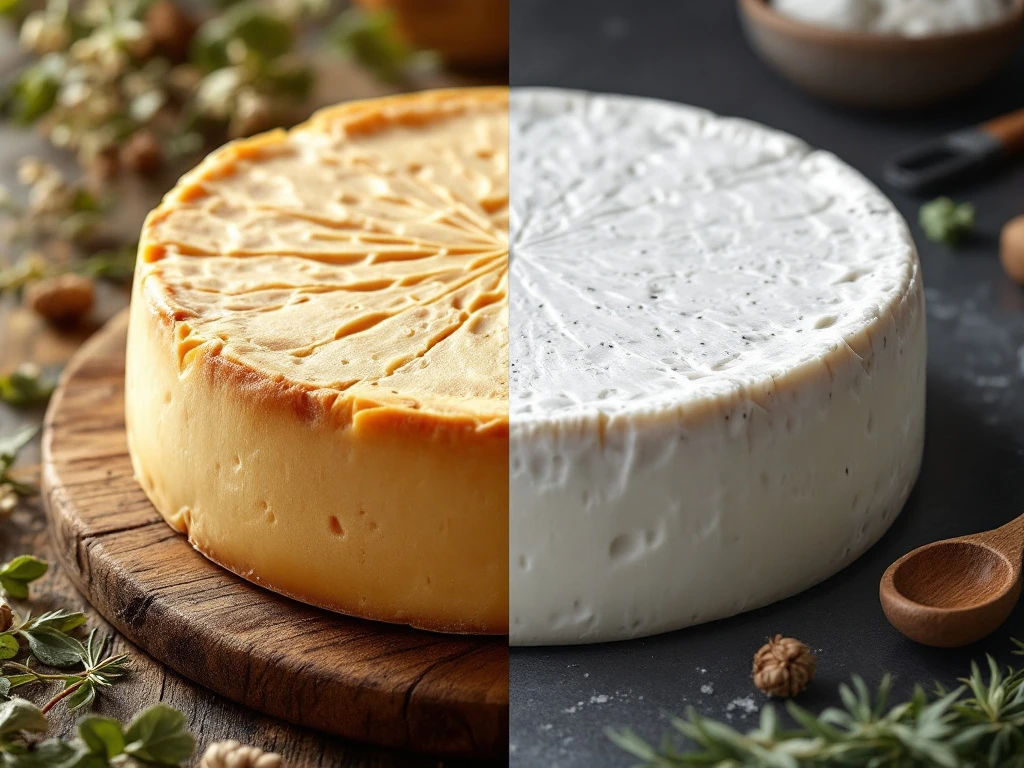
Artisanal goat cheese differs from industrial varieties through traditional production methods, smaller batch sizes, hand-crafted techniques, and unique flavour development. While industrial goat cheese prioritises consistency and large-scale efficiency, artisanal producers focus on quality over quantity, using time-honoured techniques that create complex flavour profiles and distinctive textures. These fundamental differences in production scale, ingredient quality, ageing processes, and resulting taste profiles significantly impact what B2B buyers can expect when sourcing goat cheese products for their businesses.
Understanding the fundamental differences between artisanal and industrial goat cheese
The distinction between artisanal and industrial goat cheese extends far beyond simple production volume. Artisanal goat cheese production embraces traditional cheese-making methods that have been refined over generations, whilst industrial manufacturing employs modern technology to achieve consistent, large-scale output. These contrasting approaches result in products with markedly different characteristics that serve distinct market needs.
Artisanal producers typically work with milk from specific goat breeds, often sourcing from local farms where they maintain close relationships with farmers. This connection allows for greater control over milk quality and enables seasonal variations that contribute to unique flavour profiles. Industrial operations, conversely, aggregate milk from multiple sources to ensure steady supply and consistent product characteristics throughout the year.
The scale of production fundamentally shapes every aspect of the cheese-making process. Where artisanal producers might craft small batches of 50-100 kilograms per day, industrial facilities can process thousands of kilograms, requiring entirely different equipment, techniques, and quality control measures. This difference in scale directly influences texture, taste complexity, and the overall character of the final product.
What defines artisanal goat cheese production methods?
Artisanal goat cheese production methods centre on hand-crafted techniques and meticulous attention to detail throughout the cheese-making process. Small-batch production allows cheese makers to monitor and adjust each step personally, from milk reception through to final ageing. This hands-on approach begins with careful temperature control during pasteurisation, often using lower temperatures for longer periods to preserve delicate flavour compounds.
The use of natural cultures and traditional starters distinguishes artisanal production from industrial methods. These cultures, sometimes passed down through generations or sourced from specific regions, contribute unique flavour characteristics that cannot be replicated with commercial starter cultures. Hand-ladling of curds, rather than mechanical pumping, preserves the delicate structure of the cheese, resulting in superior texture and moisture retention.
Ageing environments in artisanal facilities often feature natural caves or carefully controlled rooms where temperature and humidity fluctuations follow seasonal patterns. This natural variation encourages the development of complex flavours and distinctive rinds. Some artisanal producers age their goat brie and ripened varieties for weeks or months, allowing flavours to evolve from mild and creamy when young to more pronounced and complex as they mature.
How does industrial goat cheese manufacturing differ from traditional methods?
Industrial goat cheese manufacturing prioritises efficiency, consistency, and food safety through automated processing systems and standardised procedures. Large-scale facilities employ mechanised stirring, cutting, and moulding equipment that can process thousands of litres of milk daily. These systems ensure uniform product characteristics across batches, meeting the demands of retailers and food service operations requiring consistent supply and predictable quality.
Pasteurisation in industrial settings typically occurs at higher temperatures for shorter periods, maximising throughput whilst ensuring food safety standards. Commercial starter cultures provide predictable fermentation patterns, allowing precise control over pH levels and texture development. Automated systems monitor critical control points throughout production, adjusting parameters to maintain consistency.
Quality control in industrial facilities extends beyond production to include sophisticated testing protocols. Regular laboratory analysis ensures products meet specifications for moisture content, fat levels, and microbiological safety. Packaging innovations, including modified atmosphere packaging and stabilisers, extend shelf life significantly compared to artisanal products, facilitating wider distribution networks and reducing waste in the supply chain.
| Production Aspect | Artisanal Methods | Industrial Methods |
|---|---|---|
| Batch Size | 50-500 kg per day | 5,000-50,000 kg per day |
| Processing | Hand-ladling, manual turning | Automated pumping, mechanical processing |
| Culture Types | Natural, traditional starters | Commercial, standardised cultures |
| Ageing Environment | Natural caves, seasonal variation | Climate-controlled rooms, consistent conditions |
| Quality Control | Sensory evaluation, small-batch testing | Laboratory analysis, automated monitoring |
What are the key quality indicators between artisanal and industrial goat cheese?
Quality indicators between artisanal and industrial goat cheese manifest in several measurable characteristics. Texture serves as a primary differentiator, with artisanal cheeses often displaying more varied and complex textures due to hand-processing methods. Fresh artisanal goat cheese typically exhibits a lighter, more delicate structure, whilst industrial versions may have a denser, more uniform consistency due to mechanical processing.
Flavour complexity represents another crucial quality indicator. Artisanal cheeses frequently showcase pronounced terroir, reflecting the specific pastures where goats graze and seasonal variations in their diet. These cheeses might present notes ranging from grassy and herbaceous to nutty and mineral, with flavours evolving as the cheese ages. Industrial goat cheese, whilst maintaining consistent quality, generally offers more predictable flavour profiles designed to appeal to broader market preferences.
Moisture content and rind development further distinguish the two production styles. Artisanal soft-ripened varieties like goat brie develop natural, bloomy rinds through careful ageing, creating complex flavour compounds at the surface. Industrial versions may use spray-on cultures or modified ripening processes to achieve similar appearance more quickly. The moisture content in artisanal cheeses can vary slightly between batches, contributing to unique textural experiences, whilst industrial products maintain precise moisture levels for consistent performance in culinary applications.
Why does production method matter for B2B cheese buyers?
Production methods directly impact several critical factors for B2B cheese buyers, including pricing structures, availability, and alignment with brand positioning. Artisanal goat cheese commands premium prices due to labour-intensive production methods and limited quantities, making it ideal for restaurants and speciality retailers targeting discerning customers. These buyers can leverage the story behind artisanal production, highlighting traditional techniques and local sourcing to justify higher menu prices or retail margins.
Industrial goat cheese offers advantages in consistent supply and competitive pricing, essential for large-scale food service operations and retailers requiring reliable inventory. The extended shelf life of industrial products reduces waste and simplifies inventory management, whilst standardised formats like pre-portioned cheese pucks or consistent-weight rolls streamline kitchen operations and portion control.
Certification standards and traceability increasingly influence B2B purchasing decisions. Industrial producers often maintain comprehensive certifications including IFS, HACCP, and organic standards, providing assurance for buyers with strict supplier requirements. Artisanal producers may offer different value propositions, such as direct relationships with farms, sustainable practices, or unique regional designations that resonate with customers seeking authentic, locally-sourced products.
Key takeaways for choosing between artisanal and industrial goat cheese
Understanding the fundamental differences between artisanal and industrial goat cheese empowers B2B buyers to make informed sourcing decisions aligned with their specific business needs. Restaurants developing seasonal menus benefit from artisanal cheeses’ unique flavour profiles and storytelling potential, whilst high-volume food service operations require the consistency and availability that industrial production provides. Retailers must balance customer demand for both authentic, craft products and reliable, competitively-priced options.
The choice between artisanal and industrial goat cheese ultimately depends on prioritising factors such as flavour uniqueness, supply reliability, price points, and brand positioning. Many successful B2B operations incorporate both types, using artisanal cheeses for premium offerings and special occasions whilst relying on industrial products for everyday applications. This dual approach maximises menu flexibility and meets diverse customer expectations.
Quality producers like DeJong Cheese demonstrate how modern facilities can bridge traditional craftsmanship with contemporary reliability standards. By maintaining traditional recipes and careful production methods whilst achieving IFS certification and consistent supply capabilities, we offer B2B buyers the best of both worlds, combining authentic flavours with the operational advantages necessary for successful commercial partnerships.
Related Articles
- How do you reduce purchasing costs for goat cheese crumbles without compromising on quality?
- How does the procurement of DGZK-certified goat cheese fit into an ESG strategy?
- How to make goat cheese and fig jam appetizer?
- Is goat cheese a suitable product for health-conscious clientele?
- Is goat cheese aged?