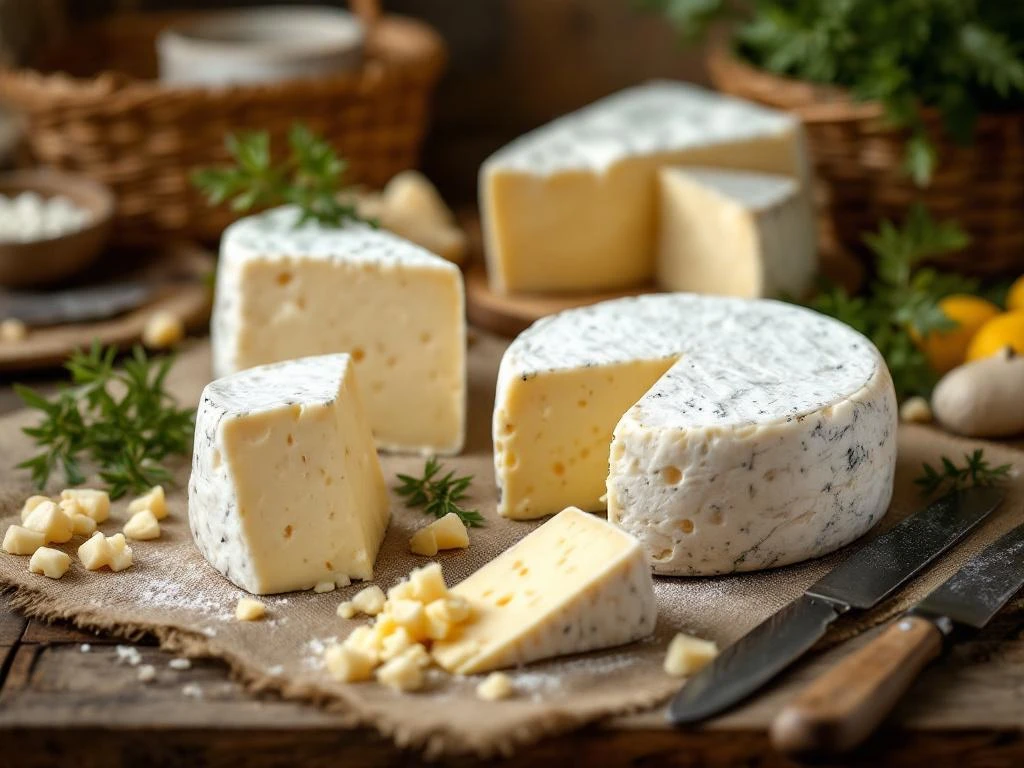
Farmstead goat cheese stands apart because it’s produced entirely on the same farm where the goats are raised, using milk from a single herd. This integrated approach creates distinctive terroir-influenced flavours, ensures complete quality control from feed to finished product, and allows for traditional, small-batch production methods that preserve artisanal characteristics often lost in industrial cheese making.
Understanding farmstead goat cheese production
Farmstead goat cheese production represents a unique approach where every aspect of cheese making happens within one farm’s boundaries. The goats graze on the same pastures, drink from local water sources, and their milk travels mere metres to the cheese making facility. This proximity allows cheese makers to process milk at its freshest, often within hours of milking, preserving delicate flavour compounds that would otherwise deteriorate during transport.
The single-herd approach means cheese makers intimately understand their animals’ health, diet, and seasonal variations. They can adjust production methods based on subtle changes in milk composition throughout the year. During spring, when goats feast on fresh grass and wildflowers, the milk produces cheese with brighter, more floral notes. In autumn, as the diet shifts to hay and grains, the cheese develops deeper, nuttier characteristics.
Traditional production methods remain central to farmstead operations. Many producers still use wooden vats, natural rennet, and time-honoured techniques passed down through generations. These methods, combined with native milk cultures unique to each farm’s environment, create cheese with genuine terroir – a taste of place that cannot be replicated elsewhere.
What defines authentic farmstead goat cheese?
Authentic farmstead goat cheese must meet specific criteria that distinguish it from industrial production. The milk must come exclusively from goats raised on the same property where the cheese is made. This single-source requirement ensures complete traceability and allows producers to maintain consistent quality standards throughout the entire process.
Traditional methods define authentic farmstead production. These include:
- Hand-ladling curds to preserve texture
- Natural cave ageing or purpose-built ripening rooms
- Seasonal production following the goats’ natural breeding cycles
- Small batch sizes that allow careful attention to each wheel
The relationship between animal husbandry and cheese quality becomes evident in farmstead operations. Producers who control both aspects can ensure their goats receive optimal nutrition, stress-free handling, and proper healthcare. This holistic approach results in higher quality milk with better protein and fat ratios, directly impacting the cheese’s texture and flavour development.
Seasonal variations serve as another hallmark of authentic farmstead cheese. Unlike industrial producers who aim for year-round consistency, farmstead cheese makers embrace the natural fluctuations in their product, viewing them as expressions of their land’s changing seasons.
How does farmstead production affect goat cheese flavour?
Farmstead production methods profoundly influence the flavour profile of goat cheese through multiple interconnected factors. Local terroir plays a primary role, as the soil composition, native plants, and microclimate all contribute to the milk’s unique characteristics. Limestone-rich soils, for example, produce milk with higher mineral content, resulting in cheese with pronounced savoury notes and better ageing potential.
The role of native milk cultures cannot be overstated. Each farm harbours its own ecosystem of beneficial bacteria and yeasts that contribute to flavour development. These microorganisms, present in the milk, on equipment surfaces, and in ageing environments, create complex flavour compounds during ripening. Industrial operations often rely on standardised commercial cultures, losing this microbial diversity.
Small-batch production allows for careful monitoring during crucial stages:
- Precise temperature control during pasteurisation (if used) to preserve delicate flavours
- Optimal curd cutting sizes for desired texture
- Customised salting levels based on each batch’s characteristics
- Individual attention during affinage to achieve peak ripeness
Pasture-based feeding systems create seasonal flavour variations that cheese connoisseurs particularly value. Spring cheese often exhibits fresh, herbaceous notes with hints of flowers, whilst autumn varieties develop earthier, more concentrated flavours. These variations provide unique selling propositions for retailers and chefs seeking to offer customers genuine seasonal experiences.
Why do chefs and retailers prefer farmstead goat cheese?
Chefs and retailers increasingly seek farmstead goat cheese for its consistent quality and unique market positioning. The controlled production environment ensures reliable supply chains whilst maintaining artisanal standards. Producers can guarantee specific flavour profiles, textures, and ageing characteristics that chefs depend on for signature dishes.
The storytelling potential of farmstead cheese provides powerful marketing advantages. Retailers can share compelling narratives about the farm, the goats, and the cheese makers, creating emotional connections with consumers. This provenance story justifies premium pricing and builds customer loyalty in ways that commodity cheese cannot match.
Flexibility represents another key advantage for B2B buyers. Farmstead producers can accommodate:
- Custom ageing specifications for exclusive varieties
- Seasonal specialities aligned with restaurant menus
- Specific size formats for different service needs
- Private label opportunities with unique flavour profiles
Growing consumer demand for traceable, artisanal products drives preference for farmstead cheese. Modern consumers value transparency in food production, animal welfare standards, and environmental sustainability. Farmstead operations inherently provide these assurances through their integrated, small-scale approach.
Key takeaways for sourcing farmstead goat cheese
Sourcing farmstead goat cheese offers B2B buyers distinct advantages that align with current market trends. Superior quality control throughout the production chain ensures consistent excellence, whilst distinctive flavour profiles provide differentiation in competitive markets. The authenticity of farmstead production creates marketing opportunities that resonate with quality-conscious consumers.
Successful partnerships with farmstead producers require understanding their seasonal production cycles and planning accordingly. Buyers should consider:
- Establishing long-term relationships for consistent supply
- Planning seasonal menu changes around cheese availability
- Investing in proper storage to maintain quality
- Training staff to communicate the farmstead story effectively
Modern farmstead producers combine traditional expertise with contemporary food safety standards. IFS certification, HACCP protocols, and rigorous testing ensure products meet all regulatory requirements whilst maintaining artisanal character. This combination provides buyers with confidence in both quality and compliance.
Partnering with established farmstead producers offers access to generations of cheese making expertise. These relationships can evolve into exclusive collaborations, custom product development, and unique offerings that set businesses apart. As consumer interest in authentic, traceable foods continues growing, farmstead goat cheese represents an investment in both quality and market positioning.