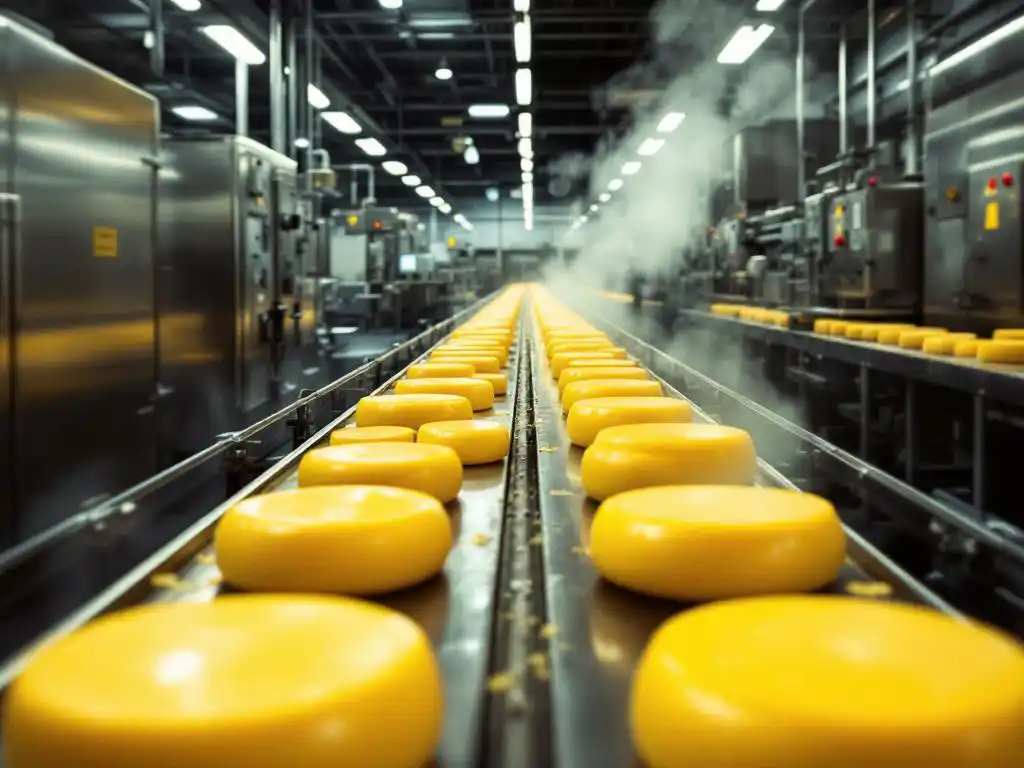
Manufacturers require a consistent cheese supply to maintain production schedules, meet customer commitments, and ensure product quality standards. Supply disruptions can halt production lines, affect product consistency, and damage business relationships. A reliable cheese supplier provides predictable quality, flexible packaging options, and technical support that enables manufacturers to focus on their core business while maintaining competitive pricing and meeting market demands.
What makes consistent cheese supply critical for food manufacturers?
A consistent cheese supply forms the foundation of successful food manufacturing operations by enabling accurate production planning and maintaining quality standards. Without a reliable supply, manufacturers face production delays, inconsistent product quality, and potential loss of customer trust. Production planning requirements depend on predictable delivery schedules and consistent product specifications that allow manufacturers to optimize their operations.
Quality control considerations become significantly more complex when the cheese supply varies. Manufacturers must maintain specific moisture content, flavor profiles, and texture characteristics across their product lines. Any variation in cheese quality directly impacts the final product, potentially leading to customer complaints or regulatory issues.
Supply disruptions create cascading effects throughout the manufacturing process. When cheese deliveries are delayed or specifications vary, manufacturers must adjust production schedules, potentially idle expensive equipment, and risk missing delivery commitments to their own customers. This disruption extends beyond immediate production concerns to affect inventory management, workforce scheduling, and financial planning.
How do supply chain disruptions affect cheese-based product manufacturing?
Supply chain disruptions in cheese procurement create immediate and long-term challenges for manufacturers. Seasonal variations in milk production affect cheese availability and pricing, forcing manufacturers to adapt their procurement strategies throughout the year. Transportation issues, from driver shortages to border delays, can leave production lines without essential ingredients.
Quality fluctuations during supply disruptions pose particular challenges for manufacturers striving to maintain consistent products. When regular suppliers cannot deliver, manufacturers may need to source from alternative suppliers whose products have different characteristics. These variations affect:
- Product taste and texture consistency
- Shelf life predictability
- Processing behavior in manufacturing equipment
- Nutritional profile stability
The cascading effects on production timelines extend beyond immediate disruptions. Manufacturers must adjust inventory levels, potentially increasing storage costs or risking stockouts. Production schedules require constant revision, affecting labor allocation and equipment utilization. Customer relationships suffer when manufacturers cannot fulfill orders on time or must alter product specifications due to cheese availability issues.
What quality standards should manufacturers expect from cheese suppliers?
Manufacturers should expect cheese suppliers to maintain strict quality parameters, including consistent moisture content, stable flavor profiles, and uniform texture. These standards ensure predictable behavior during processing and consistent final product quality. Moisture content consistency particularly affects processing efficiency and shelf life calculations.
Essential quality parameters for cheese used in manufacturing include:
- Moisture content variation within +/- 1%
- pH levels maintained within specified ranges
- Fat content consistency for recipe standardization
- Microbiological standards meeting or exceeding regulatory requirements
- Absence of foreign materials or contaminants
Certification requirements provide assurance of consistent quality and safety standards. Reputable suppliers maintain certifications such as BRC, IFS, or FSSC 22000, demonstrating their commitment to food safety and quality management. These certifications ensure suppliers follow documented procedures for production, testing, and traceability, reducing risk for manufacturers.
Shelf life predictability allows manufacturers to plan production runs and manage inventory effectively. Suppliers should provide clear documentation of expected shelf life under various storage conditions, enabling manufacturers to optimize their supply chain and minimize waste.
Which factors determine the right cheese supplier for manufacturers?
Selecting the right cheese supplier requires evaluating multiple factors, including production capacity, flexibility, and technical capabilities. Production capacity must align with manufacturer needs, both for current volumes and anticipated growth. Suppliers should demonstrate the ability to scale production while maintaining quality standards.
Key evaluation criteria for cheese suppliers include:
- Flexible packaging formats accommodating various manufacturing processes
- Customization capabilities for unique product requirements
- Geographic proximity reducing transportation costs and delivery times
- Sustainability practices aligning with corporate values
- Technical support for product development initiatives
Packaging flexibility is essential for manufacturers with diverse product lines. Suppliers offering options from bulk packaging for industrial processing to smaller formats for specialized products provide greater operational flexibility. This adaptability allows manufacturers to optimize their processes without maintaining excessive inventory.
Technical support capabilities distinguish superior suppliers from commodity providers. Manufacturers benefit from suppliers who understand their production processes and can provide guidance on cheese selection, handling procedures, and troubleshooting. This partnership approach enables innovation and continuous improvement in product development.
How can manufacturers ensure year-round cheese availability?
Manufacturers can ensure year-round cheese availability through strategic contract structuring and collaborative forecasting with suppliers. Long-term contracts with volume commitments provide suppliers with the certainty needed to plan production while guaranteeing manufacturers a consistent supply. Multi-supplier approaches reduce dependency on single sources and provide backup options during disruptions.
Effective strategies for maintaining a consistent supply include:
- Establishing primary and secondary supplier relationships
- Implementing collaborative forecasting systems that share demand projections
- Creating buffer inventory during peak production seasons
- Negotiating flexible contract terms that accommodate demand variations
- Developing contingency plans for supply disruptions
Inventory management techniques balance cost efficiency with supply security. Manufacturers must determine optimal stock levels, considering storage costs, product shelf life, and risk tolerance for stockouts. Just-in-time approaches work well with reliable suppliers, while safety stock becomes essential when supply uncertainty exists.
Collaborative forecasting methods strengthen supplier relationships while improving supply predictability. Sharing production schedules, seasonal demand patterns, and new product launch plans enables suppliers to anticipate needs and adjust their production accordingly. This transparency benefits both parties through improved efficiency and reduced waste.
How De Jong Cheese supports manufacturer supply consistency
We at De Jong Cheese understand the critical importance of a reliable cheese supply for manufacturers. Our family business, established in 1995, has built its reputation on consistent quality and dependable service. We offer dedicated production capacity, ensuring our B2B partners receive priority access to our goat cheese specialties throughout the year.
Our comprehensive support for manufacturers includes:
- Flexible packaging options, from bulk formats to custom specifications
- Consistent quality standards backed by BRC and IFS certifications
- International food safety certifications enabling global distribution
- Personalized technical support for product development needs
- Private label capabilities for brand-specific requirements
We maintain year-round production capacity at our Alphen facility, employing 55 skilled professionals dedicated to upholding the highest quality standards. Our traditional recipes, combined with modern production techniques, ensure consistent moisture content, flavor profiles, and texture that manufacturers can rely on for their products.
Ready to secure your cheese supply with a trusted partner? Contact us to discuss your specific requirements and discover how our extensive product range can support your manufacturing needs. Visit our foodservice solutions to learn more about our distribution network.
Frequently Asked Questions
What backup strategies should manufacturers implement when their primary cheese supplier faces unexpected disruptions?
Manufacturers should establish pre-qualified secondary suppliers with tested products that match their specifications, maintain a 2-4 week safety stock during peak seasons, and create detailed contingency protocols that include alternative product formulations. Regular communication with multiple suppliers about capacity and potential issues helps identify problems before they impact production.
How can manufacturers effectively test and validate cheese from new suppliers without disrupting current production?
Start with small-scale pilot batches to test processing behavior, conduct parallel testing comparing new and current cheese performance, and document all variations in moisture, melt characteristics, and final product quality. Schedule validation runs during planned maintenance periods and involve quality assurance teams in establishing acceptance criteria before committing to larger volumes.
What specific clauses should manufacturers include in cheese supply contracts to protect against quality variations?
Include detailed specifications with acceptable tolerance ranges, rejection and replacement procedures for out-of-spec deliveries, and financial penalties for repeated quality failures. Contracts should also specify required lead times for specification changes, third-party testing rights, and clear escalation procedures for quality disputes to ensure both parties understand their responsibilities.
How do manufacturers calculate the true cost of cheese supply disruptions beyond the immediate production impact?
Calculate direct costs including expedited shipping, overtime labor, and equipment downtime, then add indirect costs such as customer penalties, lost sales opportunities, and brand reputation damage. Factor in administrative time spent managing the crisis, potential reformulation costs, and long-term impacts on customer relationships to understand the full financial implications of unreliable supply.
What early warning signs indicate a cheese supplier may be experiencing reliability issues?
Watch for patterns such as frequent specification variations, delayed responses to routine inquiries, requests for extended lead times, or sudden price fluctuations without market justification. Other red flags include high staff turnover in key positions, reluctance to allow facility visits, or inconsistent documentation quality, all of which may signal operational challenges.
How can smaller manufacturers compete for reliable cheese supply when larger competitors dominate supplier relationships?
Focus on building strategic partnerships with regional specialty suppliers who value long-term relationships, consider joining purchasing cooperatives to increase buying power, and offer suppliers benefits like flexible delivery schedules or simplified ordering processes. Demonstrating commitment through multi-year contracts and collaborative forecasting can also help smaller manufacturers secure priority treatment.