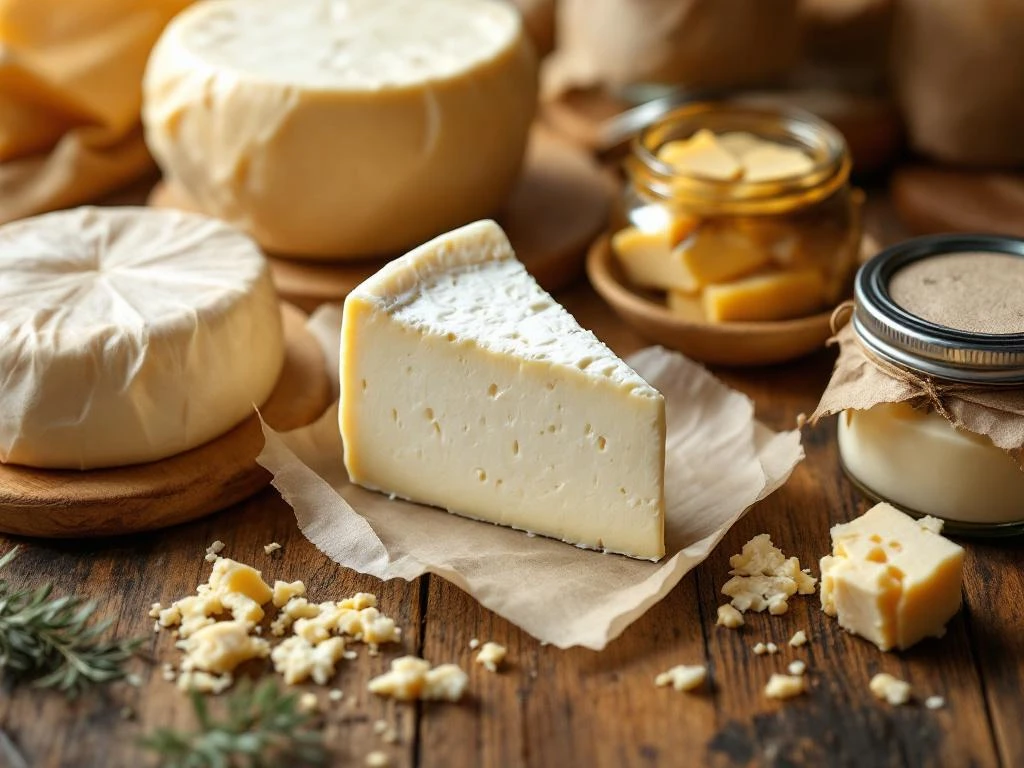
Goat cheese packaging options include vacuum-sealed plastic, wax coating, glass jars, parchment paper wrapping, and modified atmosphere packaging. Each method serves different purposes: vacuum sealing preserves freshness and extends shelf life, wax coating allows controlled aging, glass jars maintain premium presentation, parchment paper enables breathing for artisanal varieties, and modified atmosphere packaging optimises commercial distribution. The choice depends on whether you’re packaging fresh or aged goat cheese, storage duration requirements, and your target market segment.
What are the main packaging options for goat cheese?
The primary packaging methods for goat cheese each offer distinct advantages for preserving quality and maintaining the cheese’s characteristic tangy flavour profile. Vacuum-sealed plastic remains the most common choice for commercial operations, creating an airtight barrier that prevents moisture loss and contamination whilst extending shelf life significantly.
Wax coating provides a traditional approach particularly suited for aged goat cheese varieties. This method allows the cheese to breathe slightly whilst protecting the exterior, enabling controlled maturation that enhances flavour complexity. Glass jars offer premium presentation and excellent protection, making them ideal for spreadable goat cheese varieties and speciality products.
Parchment paper wrapping serves artisanal producers well, allowing natural moisture exchange whilst maintaining the cheese’s authentic character. Modified atmosphere packaging represents the cutting-edge solution for large-scale distribution, replacing oxygen with nitrogen or carbon dioxide to dramatically extend freshness without preservatives.
For businesses seeking comprehensive packaging solutions, we recommend exploring industry wholesale options for goat cheese to understand how different packaging methods align with various market requirements.
How does packaging affect what goat cheese tastes like?
Packaging materials directly influence flavour development through their impact on moisture retention, oxygen exposure, and aging processes. Vacuum sealing preserves the creamy consistency and mild flavour of fresh goat cheese by preventing oxidation and maintaining optimal moisture levels, ensuring the cheese retains its delicate, tangy notes.
Wax-coated cheeses develop more complex flavours over time as the coating allows minimal air exchange, creating an environment where beneficial bacteria can work whilst preventing excessive moisture loss. This controlled aging enhances the cheese’s natural tanginess and develops deeper, more nuanced flavour profiles.
Glass containers maintain flavour integrity exceptionally well, preventing any taste transfer from packaging materials whilst providing complete protection from external odours. Parchment paper allows the cheese to breathe naturally, which can intensify flavours but requires careful storage to prevent the cheese from absorbing unwanted aromas from its surroundings.
Which packaging works best for fresh versus aged goat cheese?
Fresh goat cheese requires packaging that prioritises moisture retention and short-term storage protection. Vacuum-sealed containers and modified atmosphere packaging excel here, maintaining the cheese’s soft, spreadable texture and preventing the surface from drying out. These methods preserve the mild, creamy characteristics that make fresh goat cheese so appealing.
Aged goat cheese varieties demand breathable materials that support proper maturation whilst preventing excessive moisture loss. Wax coating and specialised cheese paper allow controlled air exchange, enabling the development of complex flavours and firmer textures characteristic of aged cheeses. The packaging must balance protection with the cheese’s need to evolve during the aging process.
For semi-aged varieties, combination approaches work well, such as initial vacuum packaging followed by rewrapping in breathable materials once the desired initial aging is achieved. This flexibility allows producers to control flavour development precisely whilst ensuring optimal presentation for different market segments.
How long does goat cheese last in different packaging types?
Shelf life varies significantly based on packaging choice and storage conditions. Vacuum sealed goat cheese typically maintains quality for 2-3 months when refrigerated properly, making it ideal for retail distribution. Once opened, consumption within 7-10 days ensures optimal flavour and texture.
Wax-coated aged goat cheese can last 3-6 months unopened when stored correctly, with the wax providing excellent protection against contamination and moisture loss. After cutting, rewrapping the exposed surface and consuming within 2-3 weeks maintains quality. Glass-jarred varieties often remain fresh for 1-2 months unopened, though their shelf life depends heavily on processing methods.
| Packaging Type | Unopened Shelf Life | After Opening | Storage Temperature |
|---|---|---|---|
| Vacuum Sealed | 2-3 months | 7-10 days | 2-4°C |
| Wax Coating | 3-6 months | 2-3 weeks | 4-8°C |
| Glass Jars | 1-2 months | 5-7 days | 2-4°C |
| Parchment Paper | 2-3 weeks | 5-7 days | 4-6°C |
Signs of spoilage include unusual odours, visible mould (beyond intentional surface cultures), texture changes, or off-flavours. Proper packaging extends freshness significantly, but temperature control remains crucial for maintaining the cheese’s distinctive creamy texture and flavour profiles.
What sustainable packaging alternatives exist for goat cheese?
Eco-friendly packaging solutions increasingly meet both quality preservation and environmental responsibility goals. Biodegradable wraps made from beeswax-coated fabric or plant-based materials offer excellent breathability whilst decomposing naturally. These materials maintain the cheese’s delicate flavour and texture whilst reducing plastic waste.
Reusable goat cheese containers made from glass or food-grade stainless steel provide long-term sustainability, particularly for local distribution networks where container return systems prove practical. Recyclable paperboard with minimal plastic lining balances protection with environmental considerations, offering commercial viability for larger operations.
Compostable films derived from corn starch or other plant materials represent emerging technology that maintains freshness comparable to traditional plastics. These innovations preserve quality whilst aligning with growing consumer demand for sustainable packaging, though cost considerations currently limit widespread adoption.
Key considerations when selecting goat cheese packaging
Selecting appropriate packaging requires balancing multiple factors including intended use, storage duration, and market requirements. Retail environments demand attractive, durable packaging that maintains freshness throughout the supply chain whilst providing clear product visibility and information. Foodservice operations often prioritise bulk packaging that facilitates portion control and minimises waste.
Transportation requirements significantly influence packaging decisions, with longer distribution chains necessitating more robust protection against temperature fluctuations and physical damage. Consumer preferences increasingly favour sustainable options and resealable packaging that maintains quality after opening, particularly for premium goat cheese varieties.
Understanding how to store goat cheese properly guides packaging selection, ensuring optimal flavour preservation across different market segments. Whether supplying speciality cheese shops, restaurants, or industrial processors, matching packaging to specific customer needs ensures product integrity and satisfaction. We continue to innovate in packaging solutions that honour traditional quality whilst meeting modern market demands.