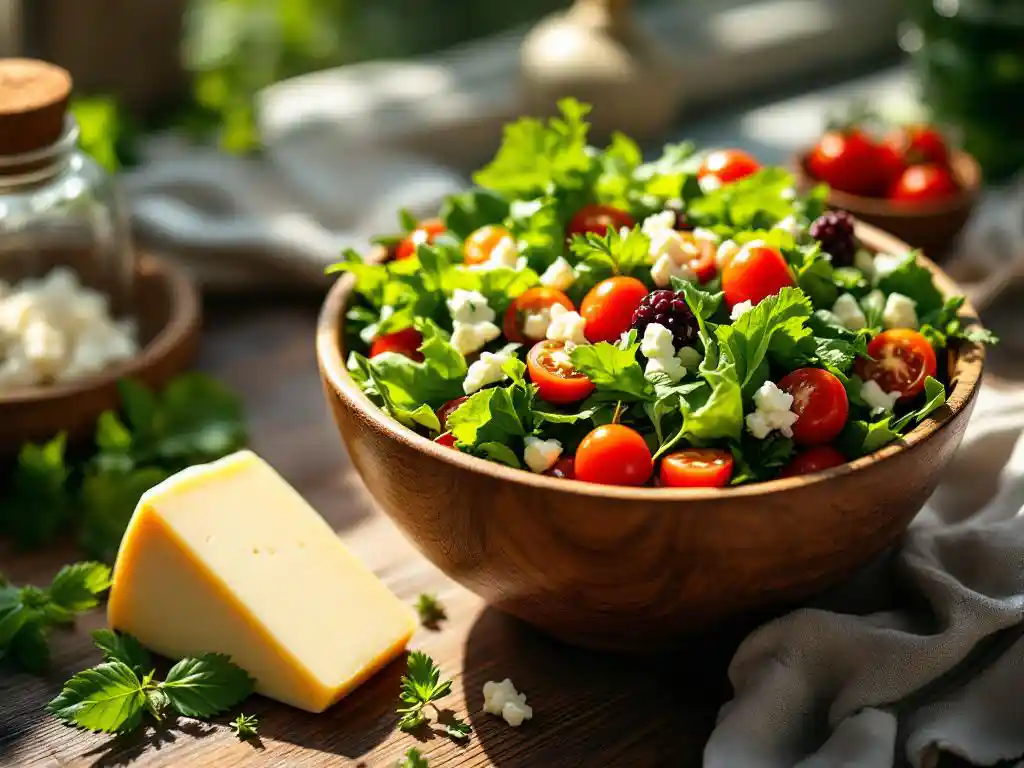
Goat cheese has become a signature ingredient in premium salad kits, transforming ordinary greens into gourmet experiences. Its distinctive tangy flavour and creamy texture create the perfect contrast to fresh vegetables, while its premium positioning allows manufacturers to justify higher price points. The growing demand reflects both consumer preferences for sophisticated flavours and the practical advantages goat cheese offers in commercial food production.
What makes goat cheese different from regular cheese in salads?
Goat cheese brings a unique combination of tangy flavour and creamy texture that cow’s milk cheeses cannot match. The smaller fat globules in goat’s milk create a smoother, more spreadable consistency that coats salad leaves beautifully without overwhelming delicate greens. This distinctive profile comes from the different fatty acid composition, particularly the higher levels of capric and caprylic acids that give goat cheese its characteristic bright, fresh taste.
The chemical structure of goat cheese makes it perform exceptionally well in cold applications. Unlike many cow’s milk cheeses that can become waxy or rubbery when chilled, goat cheese maintains its creamy texture straight from the refrigerator. The proteins in goat’s milk form a softer curd structure, which means the cheese crumbles perfectly over salads without becoming dry or chalky. This consistency remains stable throughout the distribution chain, ensuring consumers experience the intended texture whether they eat the salad immediately or several days after purchase.
The flavour chemistry also works differently in salad applications. Goat cheese’s natural acidity balances the bitterness often found in leafy greens like arugula or radicchio. Its clean, bright notes complement rather than mask the fresh vegetable flavours, allowing each component to shine while creating a harmonious whole. This makes it particularly valuable for premium salad kits where ingredient quality and flavour balance are paramount.
Why do premium salad kit manufacturers choose goat cheese over other options?
Premium salad kit manufacturers select goat cheese primarily for its ability to elevate product positioning and justify premium pricing. Consumers associate goat cheese with artisanal quality and sophisticated dining experiences, making it an ideal ingredient for differentiating products in a competitive market. This perception allows manufacturers to charge 20–40% more than standard salad kits while meeting consumer expectations for gourmet convenience foods.
The practical advantages for manufacturers extend beyond marketing appeal. Goat cheese offers superior shelf-life stability compared to many soft cow’s milk cheeses, maintaining quality throughout the typical 7–10 day refrigerated distribution cycle. Its lower moisture content and natural acidity create an inhospitable environment for unwanted bacteria, reducing spoilage risks. The cheese also resists moisture migration better than alternatives, preventing soggy greens and maintaining the intended texture profile throughout the product’s shelf life.
Consumer purchasing patterns reinforce these choices. Market research consistently shows that shoppers seeking premium salad options prioritise unique, high-quality ingredients over price. Goat cheese serves as a visual and flavour cue that signals premium quality, encouraging repeat purchases and brand loyalty. The ingredient also appeals to multiple consumer segments simultaneously, from health-conscious shoppers to food enthusiasts seeking restaurant-quality meals at home.
What are the health benefits driving goat cheese popularity in healthy meal kits?
Goat cheese offers several nutritional advantages that align perfectly with health-conscious consumer trends. The protein structure in goat’s milk is fundamentally different from that of cow’s milk, containing less alpha-s1-casein, which makes it easier to digest for many people. This improved digestibility means consumers experience less bloating and discomfort, making goat cheese an attractive option for those with sensitive digestive systems who still want to enjoy dairy products.
The lower lactose content in goat cheese makes it accessible to a broader consumer base. While not completely lactose-free, goat cheese contains approximately 30% less lactose than comparable cow’s milk cheeses. This reduction, combined with the different protein structure, allows many lactose-sensitive individuals to enjoy goat cheese without adverse effects. For meal kit manufacturers, this expands their potential customer base while maintaining a premium dairy component.
Nutritionally, goat cheese provides impressive mineral density, particularly calcium, phosphorus, and vitamin A. The bioavailability of these nutrients is often higher than in cow’s milk products due to the different fat and protein structures. Goat cheese also contains medium-chain fatty acids that the body processes more efficiently, potentially supporting metabolic health. These nutritional benefits allow manufacturers to market their salad kits as both indulgent and healthful, appealing to consumers who refuse to compromise between taste and nutrition.
How does goat cheese enhance the flavour profile of ready-to-eat salads?
Goat cheese acts as a flavour bridge in salads, its creamy tanginess connecting disparate ingredients into a cohesive taste experience. The cheese’s natural acidity brightens the entire salad without requiring additional dressing, while its rich, creamy notes provide satisfaction that keeps consumers coming back. This dual role as both flavour enhancer and textural element makes goat cheese invaluable in creating memorable salad experiences.
The ability of goat cheese to carry herb and spice infusions opens endless flavour possibilities for manufacturers. Fresh herbs like thyme, rosemary, or chives integrate beautifully into goat cheese, creating custom flavour profiles that distinguish one brand from another. Pepper coatings, honey infusions, or dried fruit additions transform basic goat cheese into signature ingredients that define a salad kit’s character. These flavour variations allow manufacturers to create seasonal offerings and limited editions that drive consumer interest.
Texture contrast plays an equally important role in the eating experience. The creamy richness of goat cheese against crisp lettuce, crunchy nuts, and chewy dried fruits creates a dynamic mouthfeel that prevents flavour fatigue. Each bite offers different textural combinations, maintaining interest throughout the meal. This textural variety is particularly important in ready-to-eat formats where consumers expect restaurant-quality experiences from convenient packaging.
What types of goat cheese work best in commercial salad applications?
Crumbled goat cheese remains the most popular format for salad applications, offering portion control and even distribution throughout the salad. The crumble size matters significantly — pieces between 6–8 mm provide the ideal balance of visual appeal and flavour distribution. Too small and the cheese disappears into the dressing; too large and consumers get uneven flavour experiences. Professional crumbles maintain their shape during transport while still breaking down pleasantly in the mouth.
Medallions and rounds offer premium presentation options for upscale salad kits. These formats, typically 20–30 grams per portion, create a centrepiece effect that photographs well for packaging and social media. The controlled portion size helps manufacturers manage costs while delivering consistent value. Medallions also allow for attractive garnishes like herb crusts or edible flowers that enhance the premium positioning.
Fresh, spreadable goat cheese works exceptionally well in composed salads where it can be dolloped or piped for visual impact. This format allows for creative presentation and pairs beautifully with roasted vegetables or grain-based salads. For manufacturers, whipped goat cheese offers extended yield while maintaining the luxurious mouthfeel consumers expect. The ageing level also impacts performance — younger cheeses (less than two weeks) provide mild, creamy notes ideal for delicate green salads, while slightly aged varieties (three to four weeks) offer more complex flavours suited to robust salads with nuts and dried fruits.
How DeJong Cheese supports premium salad kit manufacturers
We specialise in creating goat cheese solutions specifically designed for the salad kit industry, understanding the unique challenges of maintaining quality throughout extended shelf life. Our traditional craftsmanship, refined since 1995, ensures consistent texture and flavour that performs reliably in commercial applications. We work closely with manufacturers to develop custom formats that meet their exact specifications while maintaining the artisanal quality that defines premium products.
Our comprehensive support for salad kit manufacturers includes:
- Custom crumble sizes and seasoning blends tailored to your flavour profiles
- Flexible bulk packaging options from 1 kg to 10 kg formats
- Private-label development with exclusive recipes
- Extended shelf-life formulations without compromising quality
- Technical support for optimal storage and handling procedures
- Consistent year-round supply with our 55-person dedicated team
With the highest food safety certifications and distribution to over 20 countries, we provide the reliability that commercial manufacturers require. Our expertise in both fresh and aged goat cheese varieties allows us to recommend the perfect cheese for your specific salad application. Whether you need herb-infused medallions for a Mediterranean kit or classic crumbles for everyday salads, we deliver solutions that enhance your product’s appeal. Contact us to discuss your specific requirements and discover how our goat cheese can elevate your salad kit offerings.
Frequently Asked Questions
How long does goat cheese typically last in a salad kit compared to when it's opened at home?
In properly sealed salad kits, goat cheese maintains quality for 7-10 days when stored at 2-4°C, matching the kit’s shelf life. Once opened at home, the same goat cheese typically lasts only 3-5 days due to exposure to air and potential contamination. The controlled atmosphere packaging used in commercial kits, combined with the cheese’s natural antimicrobial properties, significantly extends usability compared to home storage conditions.
What's the best way to incorporate goat cheese into my own homemade salad kits for meal prep?
Store goat cheese separately in small airtight containers or wrapped in parchment paper within your meal prep containers to prevent moisture transfer. Add the cheese just before eating, or place it in a small compartment away from wet ingredients like tomatoes or cucumbers. For best results, pre-crumble the cheese and freeze portions in ice cube trays, then transfer to bags – frozen crumbles can go directly into your salad kit and will thaw perfectly by lunchtime.
Why does goat cheese sometimes taste 'goaty' and how can I avoid this in my salad products?
The ‘goaty’ flavour develops from specific fatty acids that concentrate when cheese ages improperly or when goats’ diet includes certain strong-flavoured plants. Choose goat cheese from producers who maintain consistent feed programs and proper cold chain management. Fresh goat cheese (under 2 weeks old) has the mildest flavour, while vacuum-sealed or modified atmosphere packaging prevents the oxidation that intensifies goaty notes during storage.
Can I substitute regular feta for goat cheese in salad kits without affecting shelf life?
While feta provides similar saltiness and crumbly texture, it typically has 40-50% higher moisture content than goat cheese, potentially reducing your salad kit’s shelf life by 2-3 days. Feta’s brine also introduces additional moisture that can make greens soggy. If substituting, use dry-packed feta, reduce portion sizes by 20%, and consider adding moisture-absorbing elements like toasted nuts or seeds to maintain quality throughout the distribution period.
What are the most common mistakes manufacturers make when adding goat cheese to salad kits?
The biggest mistakes include using cheese that’s too cold (causing condensation), placing cheese directly against wet vegetables, and choosing the wrong crumble size for the salad type. Many manufacturers also overlook the importance of cheese placement in packaging – goat cheese should be positioned away from dressing packets and high-moisture vegetables. Additionally, using aged goat cheese in delicate green salads can overpower other flavours, while fresh cheese in hearty grain bowls may get lost.
How much goat cheese per serving optimises both flavour and food cost in premium salad kits?
The optimal serving size ranges from 25-35 grams per single-serve salad kit, providing enough cheese for flavour impact while maintaining reasonable food costs. This amount typically represents 15-20% of total ingredient cost but drives 30-40% of perceived value. For family-size kits, use 20 grams per serving to account for uneven distribution, and consider offering the cheese in a separate compartment so consumers can customise portions.
Which salad ingredients should I avoid pairing with goat cheese to prevent flavour conflicts?
Avoid pairing goat cheese with other strong dairy products like blue cheese or aged cheddars, as competing flavours muddle the palate. Highly acidic ingredients like pickled vegetables or citrus-heavy dressings can make goat cheese taste chalky. Also skip raw garlic or onions, which overpower goat cheese’s subtle notes. Instead, pair with sweet elements (dried cranberries, candied nuts), mild vegetables (cucumber, bell peppers), and herb-based dressings that complement rather than compete.