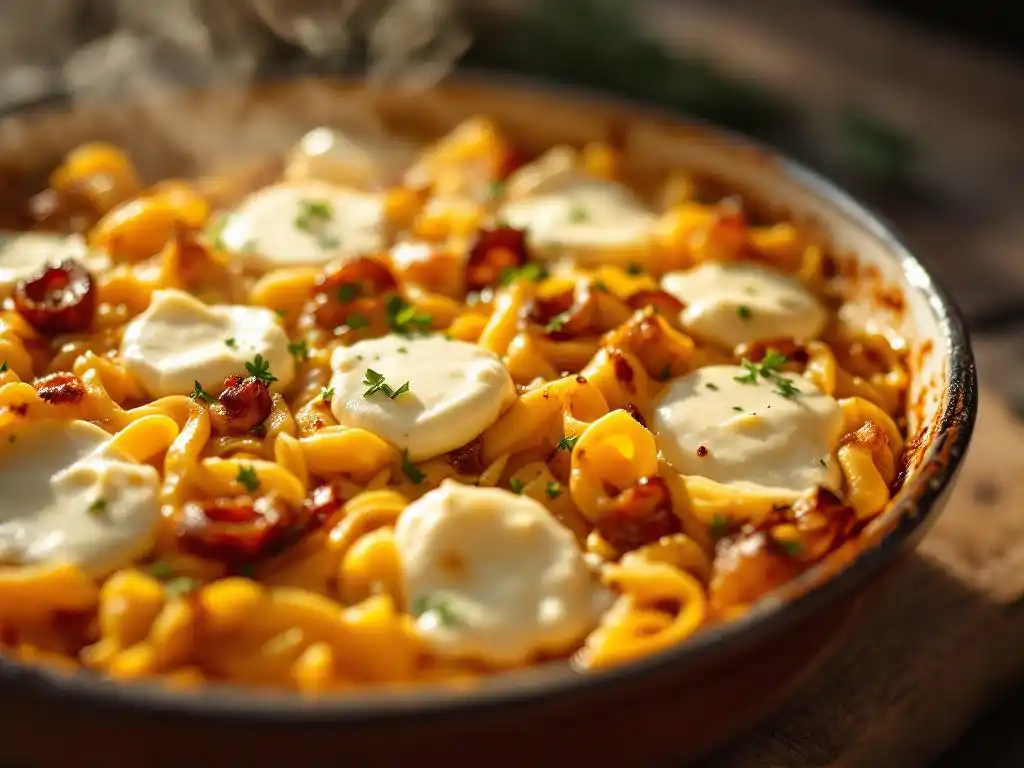
Goat cheese transforms into a creamy, golden topping when heated in the oven, making it perfect for enhancing countless dishes. Its unique melting properties create a luxurious texture while maintaining a distinct tangy flavour that complements both savoury and sweet preparations. Understanding how to use goat cheese as a topping opens up exciting possibilities for creating memorable oven-baked dishes that stand out from traditional cheese-topped options.
What makes goat cheese an ideal topping for oven dishes?
Goat cheese offers exceptional melting characteristics that create a creamy, spreadable texture without becoming stringy or oily like some cheeses. Its lower melting point allows it to soften beautifully while developing golden-brown spots that add visual appeal and a slightly caramelised flavour. The cheese maintains its distinctive tang even when heated, providing a sophisticated contrast to rich, savoury bases.
The protein structure in goat cheese differs from that of cow’s milk cheese, resulting in a smoother melt that spreads evenly across surfaces. This quality makes it particularly suitable for dishes requiring even coverage without pooling or separation. Temperature tolerance proves another advantage, as goat cheese performs well across various oven temperatures from 180°C to 220°C without burning or becoming grainy.
Fresh goat cheese contains a higher moisture content than aged varieties, contributing to its creamy transformation when heated. This moisture helps prevent the cheese from drying out during longer baking times, ensuring dishes remain moist and flavourful. The natural acidity in goat cheese also helps balance rich ingredients like roasted vegetables, caramelised onions, or fatty meats, creating more complex flavour profiles in finished dishes.
Which oven dishes benefit most from goat cheese toppings?
Flatbreads and pizzas showcase goat cheese beautifully, as the cheese melts into a creamy layer that complements crispy bases perfectly. The mild tang pairs exceptionally well with Mediterranean toppings like sun-dried tomatoes, olives, and fresh herbs. Gratins benefit from dollops of goat cheese that melt into creamy pockets throughout the dish, adding richness without overwhelming delicate vegetables.
Stuffed vegetables like peppers, aubergines, and courgettes are elevated when topped with crumbled goat cheese before baking. The cheese forms a golden crust while infusing the vegetables with creamy richness. Baked pasta dishes gain sophistication when finished with goat cheese instead of traditional mozzarella, offering a lighter alternative that doesn’t mask other flavours.
Casseroles incorporating root vegetables, grains, or legumes benefit from goat cheese’s ability to add creaminess without heaviness. The cheese works particularly well in dishes with cooking times between 20 and 40 minutes at moderate temperatures. Savoury tarts and quiches develop beautiful golden tops when finished with goat cheese, while the interior remains creamy and flavourful throughout the baking process.
How do you properly apply goat cheese as a topping?
Crumbling works best for even distribution across larger surfaces, creating pockets of creamy cheese throughout the dish. Break the cheese into pieces roughly 1–2 cm in size for optimal melting without losing texture completely. For spreading, allow the cheese to reach room temperature first, then use a small spoon or knife to create thin layers that will melt uniformly.
Timing plays a crucial role in achieving perfect results with goat cheese toppings. Add the cheese during the final 10–15 minutes of baking for dishes with longer cooking times to prevent over-browning. For quick-cooking items like flatbreads, apply the cheese from the beginning but monitor closely to achieve the desired browning without burning.
Portion control ensures balanced flavour without overwhelming other ingredients. Use approximately 30–40 g of goat cheese per serving for main dishes, adjusting based on the intensity of other flavours present. To prevent excessive browning, place cheese away from direct heat elements or cover lightly with foil if needed. Creating small wells or indentations in dishes before adding cheese helps it stay in place during melting.
What flavour combinations work best with goat cheese toppings?
Fresh herbs like thyme, rosemary, and oregano enhance goat cheese’s natural earthiness while adding aromatic complexity to baked dishes. These herbs can be mixed directly into the cheese before topping or sprinkled over after baking. Sweet elements including honey, figs, and caramelised onions create a delightful contrast with the cheese’s tanginess, making dishes more interesting and balanced.
Roasted vegetables develop deeper flavours that complement goat cheese beautifully. Beetroot, butternut squash, and bell peppers provide natural sweetness that balances the cheese’s acidity. Mediterranean ingredients like olives, sun-dried tomatoes, and artichokes create classic combinations that work across various dish types.
Nuts and seeds add textural contrast while enhancing the cheese’s creamy qualities. Toasted walnuts, pine nuts, or pumpkin seeds sprinkled alongside goat cheese create more complex dishes. Balsamic reductions drizzled over goat cheese-topped dishes add sweet-tart notes that tie flavours together. Leafy greens like spinach or rocket wilt beautifully under melted goat cheese, creating harmonious vegetable-forward dishes.
How does DeJong Cheese help with goat cheese topping solutions?
We specialise in producing goat cheese varieties specifically formulated for optimal performance in professional kitchens and foodservice applications. Our Alphenaer range includes fresh and soft goat cheeses that maintain consistent melting properties across different oven temperatures and cooking methods. These products deliver reliable results whether used in high-volume restaurant settings or speciality food manufacturing.
Our bulk packaging options support efficient kitchen operations while maintaining product freshness and quality. We offer:
- Various package sizes from 1 kg to 5 kg for different operational needs
- Consistent texture and moisture content for predictable melting behaviour
- Extended shelf life through advanced packaging techniques
- Custom formulations for specific topping applications
- Technical support for optimal usage in different dish types
Working directly with our team ensures access to goat cheese products that meet specific requirements for topping applications. We understand the challenges of maintaining quality and consistency in professional kitchens, which drives our commitment to producing cheeses that perform reliably across various cooking methods. Contact our foodservice specialists to discuss how our goat cheese solutions can enhance your menu offerings and streamline kitchen operations.
Ready to elevate your oven dishes with premium goat cheese toppings? Explore our complete range of professional cheese solutions and discover how our products can transform your culinary creations with exceptional quality and performance. Contact us today to learn more about our specialised topping solutions.
Frequently Asked Questions
How do I prevent goat cheese from burning when using it as a topping?
To prevent burning, add goat cheese during the final 10-15 minutes of baking rather than at the start. Position your oven rack in the middle to avoid direct heat from the top element, and if the cheese browns too quickly, loosely cover the dish with foil. For dishes requiring longer baking times, consider using a slightly lower temperature (around 180°C) to achieve gentle melting without excessive browning.
Can I freeze dishes topped with goat cheese for meal prep?
While you can freeze dishes with goat cheese, it’s best to add the cheese topping after thawing and just before reheating. Freezing can alter goat cheese’s texture, making it slightly grainy when thawed. If you must freeze pre-topped dishes, use a vacuum sealer or wrap tightly to minimise moisture loss, and reheat gently at a lower temperature to preserve the cheese’s creamy consistency.
What's the difference between using fresh vs aged goat cheese as a topping?
Fresh goat cheese melts into a creamy, spreadable consistency ideal for even coverage, while aged goat cheese develops a firmer texture that holds its shape better when heated. Fresh varieties work best for dishes requiring smooth, integrated toppings, whereas aged goat cheese creates distinct pockets of flavour and is better suited for gratins or dishes where you want visible cheese pieces with more intense flavour.
How much goat cheese should I use per serving to avoid overpowering other flavours?
Use approximately 30-40g of goat cheese per main course serving, or about 15-20g for side dishes and appetisers. Start with less and taste-test your recipes, as goat cheese’s tangy flavour intensifies slightly when heated. For pizzas and flatbreads, aim for 60-80g total for a 30cm base, distributed evenly to ensure each slice has balanced flavour without masking other toppings.
What are common mistakes when using goat cheese as an oven topping?
The most common mistakes include adding cold cheese directly from the fridge (which melts unevenly), using too high temperatures that cause separation, and overcrowding the cheese which prevents proper browning. Always bring goat cheese to room temperature before use, maintain moderate oven temperatures (180-200°C), and leave space between cheese dollops to allow for spreading and even browning.
Which herbs and spices enhance goat cheese toppings without competing with its flavour?
Fresh thyme, chives, and dill complement goat cheese without overpowering its delicate tang, while black pepper, paprika, and za’atar add depth without masking the cheese’s natural flavour. Mix herbs directly into room-temperature goat cheese before topping, or sprinkle dried herbs lightly over the cheese during the last few minutes of baking for maximum aroma and visual appeal.