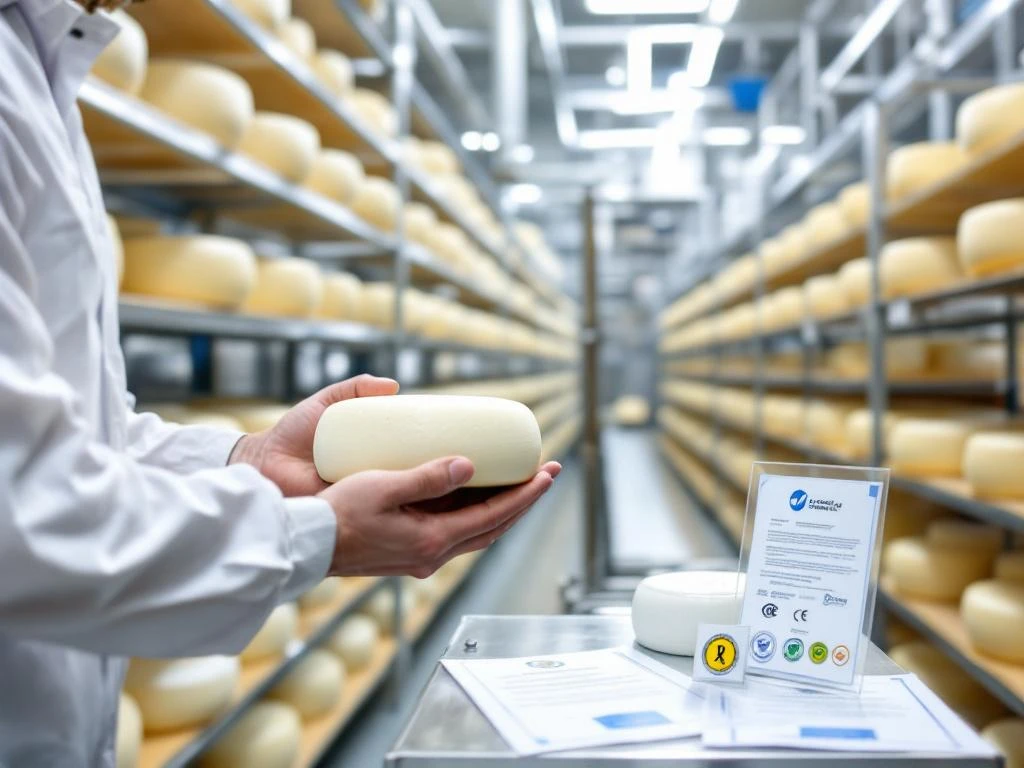
IFS certification has become a crucial requirement for cheese suppliers seeking to demonstrate their commitment to food safety and quality management. This internationally recognised standard provides a comprehensive framework for ensuring consistent product quality, meeting regulatory requirements, and building trust with retailers and distributors. For cheese suppliers operating in today’s competitive market, IFS certification serves as both a quality assurance tool and a strategic business advantage that opens doors to new markets and strengthens customer relationships.
What makes IFS certification essential for modern cheese suppliers?
IFS certification stands as a cornerstone of modern cheese supply operations, establishing rigorous food safety protocols and quality management systems that meet the highest international standards. The International Featured Standards certification specifically addresses the unique challenges faced by dairy producers, creating a structured approach to managing everything from raw material handling to final product distribution.
The certification framework encompasses comprehensive quality management systems that govern every aspect of cheese production. These systems ensure consistent product quality through standardised procedures, regular monitoring, and continuous improvement processes. By implementing IFS standards, cheese suppliers demonstrate their dedication to excellence in both production methods and customer service.
Regulatory compliance forms another critical component of IFS certification importance. As food safety regulations continue to evolve across different markets, maintaining certification ensures suppliers stay ahead of changing requirements. This proactive approach to compliance reduces the risk of regulatory issues and helps suppliers navigate the complex landscape of international food safety laws.
For those interested in understanding how certification impacts specific market segments, you can explore our industry and wholesale solutions to see how IFS standards support various business needs.
What is IFS certification and how does it apply to cheese production?
IFS certification represents a comprehensive audit and verification system designed specifically for food manufacturers and processors. Within the cheese industry, this framework addresses unique challenges such as managing live cultures, controlling maturation processes, and ensuring consistent quality across different cheese varieties. The certification process involves detailed examination of all production areas, from milk reception through to finished product storage.
The audit process for cheese operations follows a systematic approach that evaluates critical control points throughout the production chain. Auditors examine hygiene standards in production areas, assess the effectiveness of cleaning and sanitation procedures, and verify that appropriate controls are in place for managing allergens and preventing cross-contamination. This thorough evaluation ensures that certified facilities maintain the highest standards of food safety.
Traceability systems form a fundamental requirement within IFS certification for cheese producers. These systems must track products from incoming raw materials through every processing step to final distribution. Effective traceability enables rapid response to any quality concerns and demonstrates transparency throughout the supply chain. Quality control measures include regular testing protocols, sensory evaluation procedures, and verification of product specifications at multiple stages of production.
How does IFS certification benefit cheese suppliers and their customers?
IFS certification delivers substantial benefits by enhancing market access and opening doors to major retail chains and international markets that require certified suppliers. This expanded reach allows cheese producers to grow their business beyond traditional boundaries and access premium market segments that prioritise food safety assurance.
Operational efficiency improvements represent another significant advantage of certification. The structured approach required by IFS standards often reveals opportunities to streamline processes, reduce waste, and optimise resource utilisation. These efficiency gains translate directly into cost savings and improved profitability while maintaining or enhancing product quality.
Customer confidence grows substantially when working with IFS-certified suppliers. Retailers and distributors gain peace of mind knowing their cheese suppliers follow internationally recognised standards for food safety and quality management. This confidence reduces the need for additional supplier audits and accelerates the approval process for new business relationships.
The certification also plays a crucial role in facilitating international trade. As different countries have varying food safety requirements, IFS certification provides a common standard that satisfies multiple market requirements simultaneously. This harmonisation simplifies export procedures and reduces the complexity of managing different certification schemes for different markets.
What are the main requirements for achieving IFS certification in cheese manufacturing?
Achieving IFS certification requires implementing a comprehensive HACCP (Hazard Analysis and Critical Control Points) system tailored to cheese production processes. This system must identify potential hazards at each production stage, establish critical control points, and define monitoring procedures to ensure consistent safety. The HACCP plan becomes the foundation for all food safety activities within the facility.
Allergen management presents particular challenges in cheese manufacturing, especially for facilities producing multiple varieties. Certification requirements include detailed procedures for preventing cross-contamination, clear labelling protocols, and comprehensive staff training on allergen awareness. Product specifications must be meticulously documented, covering everything from ingredient lists to microbiological criteria and sensory characteristics.
Supplier verification forms another critical requirement, demanding robust systems for approving and monitoring all raw material suppliers. This includes regular assessment of supplier certifications, quality agreements, and performance monitoring. Documentation requirements extend throughout the operation, encompassing standard operating procedures, training records, corrective action reports, and continuous improvement initiatives.
Management system requirements include establishing clear responsibilities, conducting regular internal audits, and implementing effective corrective and preventive action procedures. Leadership must demonstrate commitment through regular management reviews and allocation of necessary resources for maintaining and improving the food safety system.
Why do retailers and distributors prefer IFS-certified cheese suppliers?
Retailers and distributors increasingly view IFS certification as essential for protecting their brand reputation and minimising food safety risks. The certification provides assurance that suppliers have implemented robust systems to prevent contamination, manage recalls effectively, and maintain consistent quality standards. This risk mitigation is particularly valuable in today’s environment where food safety incidents can rapidly damage consumer trust.
Liability concerns drive much of the preference for certified suppliers. When food safety issues arise, retailers face significant financial and reputational risks. Working with IFS-certified suppliers provides documented evidence of due diligence in supplier selection and ongoing monitoring. This documentation becomes crucial in demonstrating responsible sourcing practices to regulators and consumers.
The certification streamlines supplier approval processes significantly. Rather than conducting individual audits for each potential supplier, retailers can rely on IFS certification as evidence of compliance with food safety requirements. This efficiency reduces costs and accelerates the onboarding process for new suppliers while maintaining rigorous safety standards.
Consistency across the supply chain represents another key advantage. IFS standards ensure that all certified suppliers follow similar procedures for quality control, traceability, and incident management. This standardisation simplifies supply chain management and enables more effective collaboration between suppliers and their customers.
Key takeaways about IFS certification for cheese suppliers
IFS certification has evolved from an optional credential to a strategic necessity for cheese suppliers seeking to compete in modern markets. The certification demonstrates commitment to food safety excellence while providing tangible business benefits including improved market access, operational efficiency, and customer confidence. As retailers continue to raise their requirements for food safety assurance, certification becomes increasingly important for maintaining and expanding market presence.
The investment in achieving and maintaining IFS certification extends beyond compliance to create genuine competitive advantages. Certified suppliers find themselves better positioned to respond to market opportunities, adapt to changing regulations, and build lasting relationships with quality-conscious customers. The systematic approach required by certification often leads to operational improvements that enhance profitability while ensuring product safety.
For cheese suppliers evaluating their certification options, IFS represents a comprehensive solution that addresses both current market requirements and future growth ambitions. The standard’s international recognition, combined with its specific relevance to dairy operations, makes it particularly valuable for suppliers seeking to expand their reach while maintaining the highest standards of quality and safety. As the cheese industry continues to evolve, IFS certification provides the framework needed to meet rising expectations and build sustainable business success.