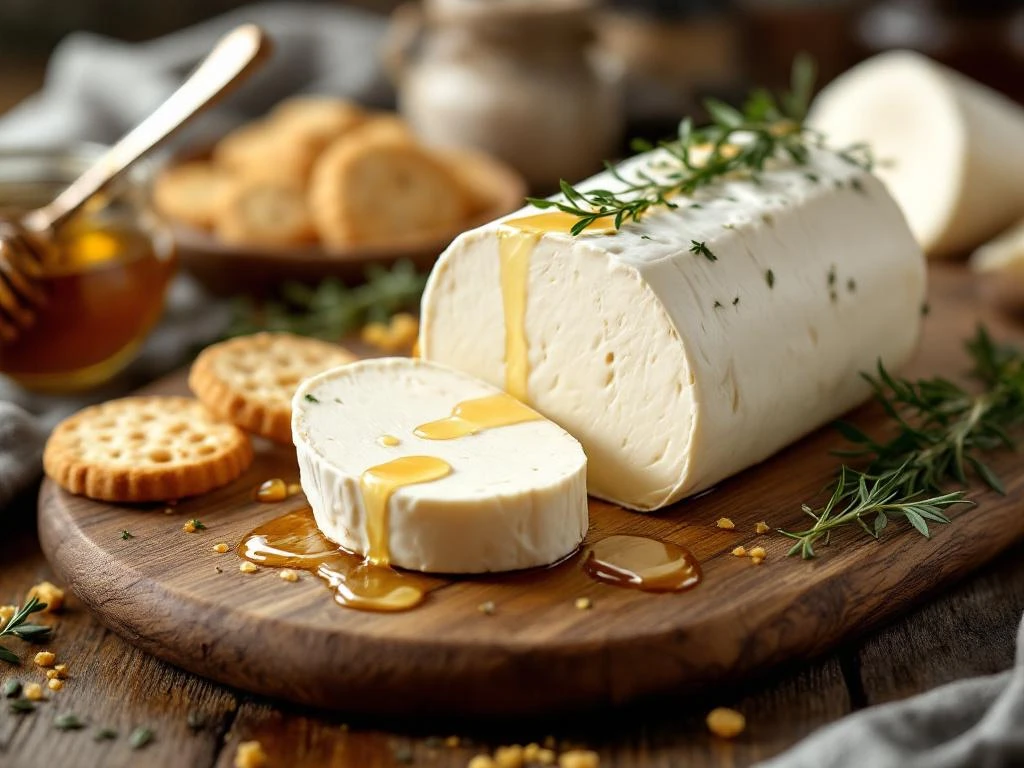
Eating a goat cheese log properly enhances its delicate flavours and creamy texture. To enjoy goats cheese at its best, remove it from refrigeration 30-60 minutes before serving, allowing it to reach room temperature. Use dental floss or a thin wire to cut clean slices without crumbling, and serve on crackers, in salads, or baked in pastries. Store opened logs wrapped in parchment paper in the refrigerator for up to two weeks.
Understanding goat cheese logs: A complete serving guide
Goat cheese logs represent one of the most versatile forms of fresh goats cheese, offering a distinctive tangy flavour and creamy texture that transforms ordinary dishes into culinary experiences. These cylindrical cheese forms typically range from 100g to 1kg, making them ideal for various foodservice applications and retail presentations.
The characteristics of goat cheese logs vary significantly based on their production method and ageing process. Fresh varieties possess a soft, spreadable consistency with a bright, clean taste, whilst ripened versions develop a firmer texture and more complex flavour profile. Understanding these differences helps professionals select the right product for their specific culinary needs.
Proper serving techniques matter because goats cheese is particularly sensitive to temperature and handling. When served correctly, the cheese reveals its full flavour potential, from subtle grassy notes to pronounced tangy undertones. Poor handling can result in crumbly texture, muted flavours, or an unappetising presentation that fails to showcase the cheese’s premium quality.
What is the best temperature to serve goat cheese log?
The ideal serving temperature for goat cheese logs is between 18-22°C (room temperature), which allows the cheese to express its full flavour profile and achieve the perfect spreadable consistency. At this temperature, the natural fats in the cheese soften, creating a luxurious mouthfeel whilst maintaining structural integrity for clean slicing.
Temperature dramatically affects both texture and flavour release in goats cheese. Cold cheese straight from refrigeration tends to be firm and crumbly, with muted flavours that fail to engage the palate. As the cheese warms, volatile compounds responsible for its characteristic taste become more active, delivering the complex notes that make goat cheese distinctive.
For optimal results, remove goat cheese logs from refrigeration 30-60 minutes before serving, depending on the log’s size. Smaller 100g logs require less time, whilst larger foodservice portions benefit from the full hour. Store unopened logs at 2-4°C, wrapped in their original packaging to maintain freshness and prevent moisture loss.
How do you properly cut and slice a goat cheese log?
The secret to cutting perfect goat cheese slices lies in using dental floss or thin wire instead of traditional knives. This technique prevents the cheese from sticking to the blade and creates clean, uniform portions without crumbling or compression.
To execute this technique properly:
- Hold a length of unflavoured dental floss taut between both hands
- Position the floss where you want to cut
- Press down firmly and smoothly through the cheese
- Wipe the floss clean between cuts
- Aim for slices approximately 1cm thick for optimal presentation
Alternative tools include specialised cheese wires or thin-bladed knives dipped in hot water and dried between cuts. The key is minimising surface contact to prevent sticking. For professional kitchens processing multiple logs, consider investing in a wire cheese cutter that ensures consistent portions and speeds up preparation.
What are the most popular ways to serve goat cheese log?
Goat cheese logs offer remarkable versatility in both simple and sophisticated presentations. The most straightforward approach involves spreading fresh goats cheese on artisanal crackers or crusty bread, allowing the cheese’s pure flavour to shine. This method works particularly well for tasting sessions or casual entertaining.
For more elaborate presentations, consider these popular serving methods:
- Crumbled over mixed green salads with honey vinaigrette
- Baked in puff pastry with herbs for elegant appetisers
- Melted into pasta sauces for creamy richness
- Grilled on crostini with caramelised onions
- Incorporated into quiches and savoury tarts
Professional kitchens often showcase goat cheese logs through creative plating techniques. Rolling logs in fresh herbs, crushed pistachios, or edible flowers creates visual appeal whilst adding complementary flavours. For wholesale and foodservice applications, pre-portioned slices streamline preparation and ensure consistent presentation across multiple servings.
How long does goat cheese log last once opened?
Once opened, goat cheese logs maintain peak quality for 7-14 days when stored properly in the refrigerator at 2-4°C. The exact duration depends on the cheese’s initial freshness, storage conditions, and handling practices throughout its use.
Proper storage techniques significantly extend the useable life of opened goats cheese:
- Wrap tightly in parchment paper or wax paper first
- Place the wrapped cheese in an airtight container
- Store in the refrigerator’s cheese drawer or vegetable crisper
- Avoid plastic wrap directly on cheese, which traps moisture
- Re-wrap with fresh paper after each use
Signs of spoilage include visible mould (beyond any intentional rind), off-odours resembling ammonia, yellowing or discolouration, and slimy texture. Fresh goat cheese should maintain its bright white colour and clean, tangy aroma throughout its storage life. When in doubt, trust your senses – quality goats cheese should smell fresh and appetising.
Key takeaways for enjoying goat cheese logs
Successfully serving goat cheese logs requires attention to temperature, cutting technique, and storage methods. Remember to bring cheese to room temperature before serving, use dental floss for clean cuts, and explore various serving options from simple spreads to sophisticated baked preparations.
Quality considerations play a crucial role in the overall experience. Select goats cheese from reputable producers who prioritise traditional craftsmanship and consistent quality. Fresh varieties offer bright, clean flavours ideal for spreading and crumbling, whilst aged options provide complexity for more sophisticated applications.
The versatility of goat cheese logs makes them invaluable in professional kitchens and retail settings. Whether incorporated into hot dishes, featured on cheese boards, or simply spread on bread, proper handling ensures each serving showcases the cheese’s distinctive character and premium quality.